Skip to content

Standalone Home Battery Critical-Load Backup Installation in Victoria, Texas

We install standalone battery systems that keep selected home circuits powered during an outage. Licensed and insured electricians handle the electrical connection and safety checks.

Licensed & InsuredWarranty AvailableSame-Day ServiceUpfront, Transparent Pricing
Service Electric provides standalone home battery critical-load backup installation for homes in Victoria and nearby communities. We identify the circuits you need during an outage, inspect the electrical system, and plan the battery connection around those loads. A battery can shut down when the selected loads exceed its output or when protection settings detect a fault. We're open 24 hours a day, every day, and we provide electrical assistance around the clock for urgent problems.

What selected backup circuits change during an outage

Critical circuits receive a defined backup path instead of competing with every home load.

Load planning helps reduce shutdown risk from oversized demand on the battery.

Testing confirms that the selected circuits respond as planned before the system is relied.
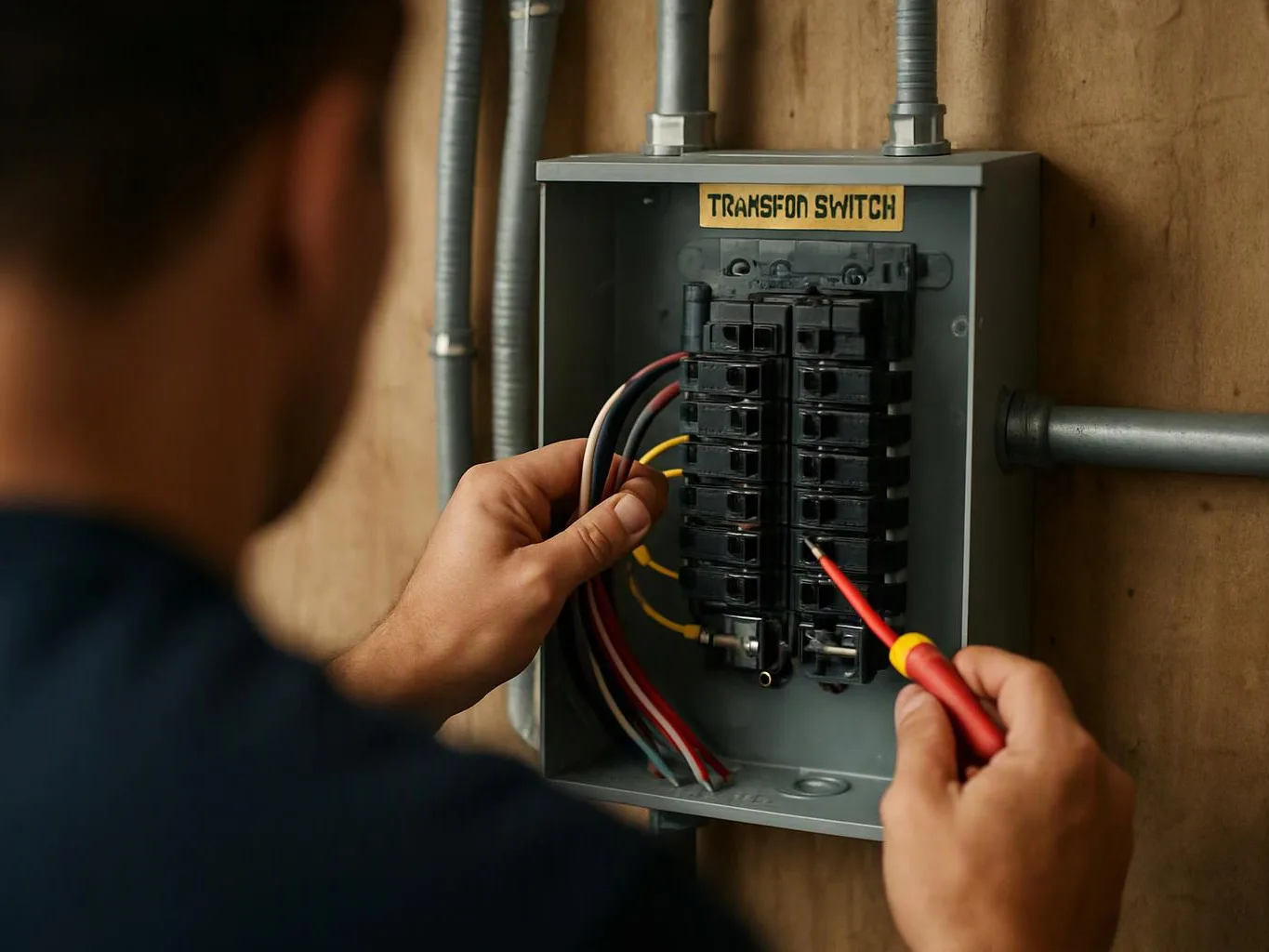
A person wires an open electrical breaker panel on a wooden wall, using a red screwdriver
About

What a standalone battery backup installation covers

This service connects a home battery to circuits that matter during a power outage. Those circuits may include selected lighting, refrigeration, communications equipment, or other loads chosen during planning. We start with a pre-work inspection and a load review. Our electricians trace the selected circuits, check the panel and grounding path, and identify conditions that could stop the battery from operating safely. The main buyer decision is backup scope. A critical-load system uses a planned group of circuits, so the battery does not carry every large appliance by default. We explain the selected loads, likely failure points, and the practical repair path before work begins. A common failure occurs when too many high-demand devices share the backup path. We catch that risk through circuit tracing, load checks, and testing. If the system trips or shuts down, we isolate the affected circuit and review options with you.

What Standalone home battery critical-load backup installation Covers

Standalone home battery critical-load backup installation is an electrical service that connects a battery to selected household circuits for outage power.

  • The system differs from whole-home backup because it supplies planned critical loads, not every circuit in the property.
  • The installation requires an electrical inspection, load review, protected connection, and testing before the system is placed into service.

What to prepare before battery backup installation

A short list of home details helps us plan the critical-load connection with fewer surprises.

  • List the lights, outlets, appliances, or devices you want powered during an outage.
  • Note any battery warnings, tripped breakers, dead outlets, or repeated shutdowns.
  • Keep the electrical panel and proposed battery location accessible for inspection.
  • Tell us about past wiring repairs, panel changes, or backup equipment already on site.
Process

How we install selected home battery backup circuits

1

Inspect the existing electrical system

We inspect the panel, service wiring, grounding path, and available connection points before planning the backup circuit layout.

2

Choose the critical-load group

We discuss which home circuits matter during an outage and check their demand against the planned battery use.

3

Trace and prepare the circuits

Our electricians map the selected circuits, identify unsafe wiring, and prepare the protected connection between the battery and the home panel.

4

Connect the battery backup path

We install the required electrical connection and protection equipment for the selected circuits, following safe electrical practices.

5

Test outage operation

We test the backup path, check circuit response, and look for trips, warning signals, or unexpected shutdowns before explaining the system.

The Service Electric Standard

Pre-Work Inspection

We inspect the panel, grounding path, wiring, and selected circuits before connecting standalone battery backup equipment.

Fault And Options Review

We identify overloads, shutdown causes, and wiring faults, then discuss repair options before changing the backup circuit plan.

Systematic Troubleshooting

We trace each selected circuit and test battery operation systematically before explaining the completed backup path.

Questions about standalone home battery backup installation

Who installs standalone home supporting system upgrades in Victoria, Texas?

Service Electric installs standalone home supporting system upgrades for selected circuits in Victoria, Texas. We inspect the existing electrical system, review critical loads, and test the connection after installation. Our electricians are licensed and insured, and we explain any wiring fault or load concern before discussing repair options.

Which circuits should connect to a critical-load battery?

Critical circuits should support essential home needs without exceeding the battery’s output. Common choices include selected lighting, refrigeration, communications equipment, and specific outlets. We review your priorities, trace each circuit, and check combined demand before confirming the backup group.

What changes the cost of a home battery backup installation?

The main cost drivers are the existing panel, circuit condition, battery connection path, protection equipment, and number of selected circuits. A free estimate follows an inspection and load review. We explain the work included, any repair need, and the options for the planned backup scope.

Can I install a standalone battery backup system myself?

Homeowners should not connect a battery backup system to household wiring without proper electrical training and inspection. Incorrect connections can energize circuits unexpectedly, overload wiring, or defeat protection equipment. We inspect the system, complete the electrical connection, and test the backup path before explaining its operation.

What happens if the battery shuts down during an outage?

A shutdown means the battery or its protection system detected a condition that needs review. We check for excess load, circuit faults, connection problems, and warning signals. Our electricians isolate the cause, discuss repair options, and test the affected backup path after the correction.

Is a critical-load battery different from whole-home backup?

Yes, a critical-load battery powers selected circuits, while whole-home backup is designed around the broader electrical demand of the property. Selected backup can limit demand on the battery, but the circuit group must be planned carefully. We explain which loads fit the intended backup scope.

What should I do if backup power leaves some outlets dead?

Dead backup outlets often belong to circuits outside the selected group, but a wiring fault can also interrupt power. We identify the outlet circuit, check the panel, and test the backup path. Avoid repeated breaker resets if the outlet is warm, sparking, or associated with a burning smell.

Also Offering Standalone home battery critical-load backup installation

Contact

Request a Standalone Battery Backup Estimate in Victoria

Request your estimate for selected home battery backup circuits, and urgent requests get priority scheduling.
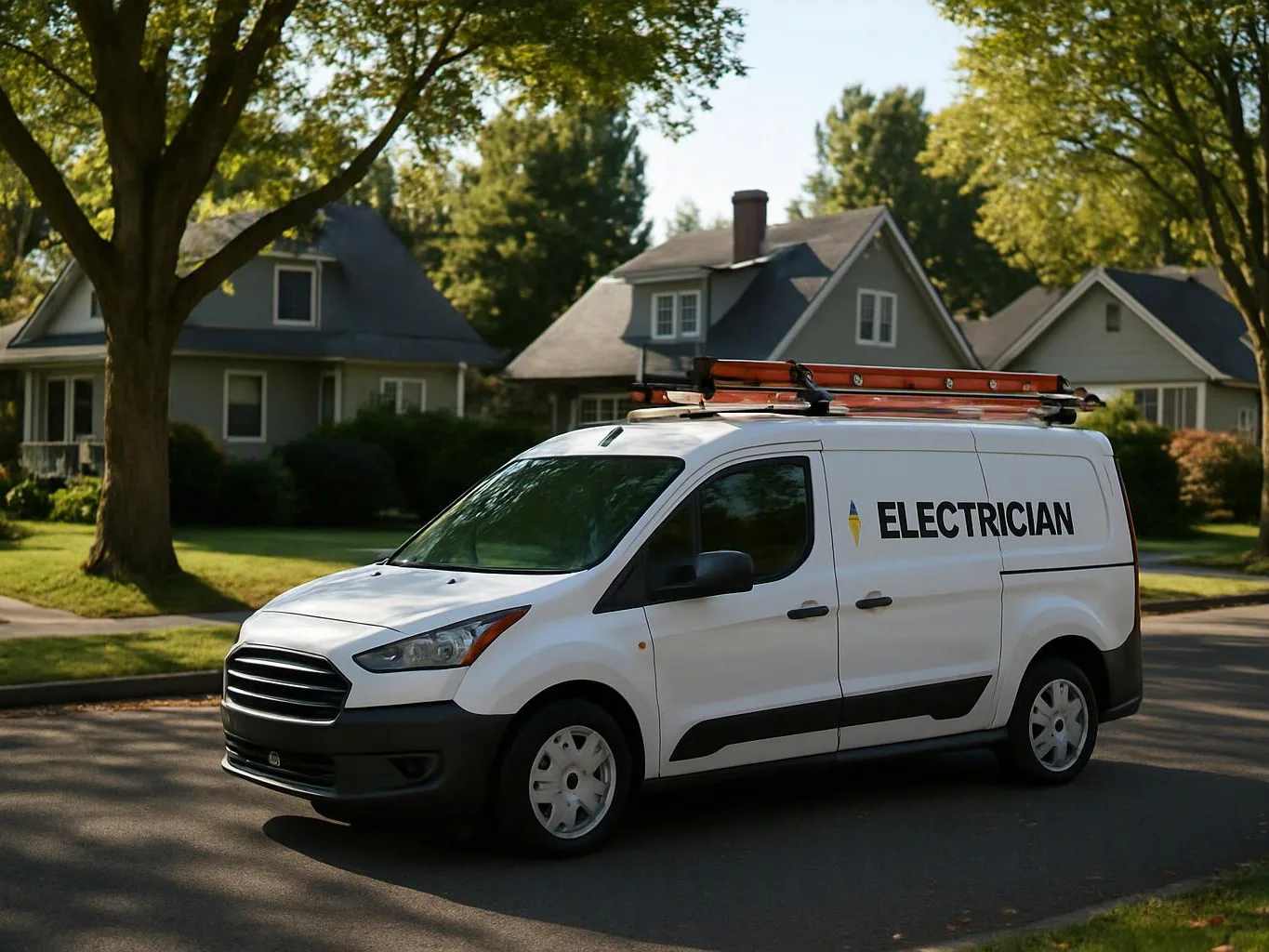
White work van with a ladder on top parked on a quiet tree lined suburban street
Scenarios

When Customers Call Us About Standalone home battery critical-load backup installation

1

Backup Battery Trips Under Load

A homeowner may have power at first, then lose the backup path when several selected circuits run together. The key issue is the combined demand, not just the battery label. We inspect the circuit group, trace the loads, and test the connection so the next design choice is based on measured electrical conditions.

2

Essential Outlets Stay Unpowered

A refrigerator or communications outlet may remain off because it belongs to a circuit outside the planned backup group. In Victoria, the right first step is to identify the outlet’s circuit and compare it with the selected critical loads. We trace the circuit, explain the available change, and check the panel before modifying the connection.

3

Warning Appears During an Outage

A battery warning during an outage can point to an overload, wiring fault, or protection issue. Repeated resets can hide the cause and place more stress on the backup path. We inspect the system, isolate the affected circuit, and discuss repair options before returning the equipment to normal operation.

Our Other Services

Bidirectional electric-vehicle home backup integrationAn electric vehicle can provide stored energy for a home when its equipment supports bidirectional power flow. We integrate the vehicle charger, transfer equipment, and critical circuits for controlled home backup during outages.
Virtual-power-plant-ready home battery interconnectionHome batteries need correct interconnection before they can join an approved virtual power plant program. We connect the battery to the service equipment, verify protection settings, and prepare the system for utility coordination.
Emergency Electrical RepairSudden outages, burning smells, or sparking outlets need attention before they damage your property. We locate the fault, isolate unsafe circuits, and restore dependable power with repairs suited to the existing wiring.
Electrical TroubleshootingRecurring trips and flickering lights often point to hidden electrical faults. We test circuits, breakers, switches, and connections to identify the cause and explain the repair needed for steady operation.
Electrical Panel UpgradeAn overloaded panel can limit appliances and leave older homes without room for safer circuits. We replace outdated panels, label breakers, and provide capacity for modern electrical demand.
Circuit Breaker RepairA breaker that trips repeatedly can signal a damaged breaker or an overloaded circuit. We inspect the panel, test connected wiring, and restore dependable protection without guessing at the cause.
(361) 405-6801