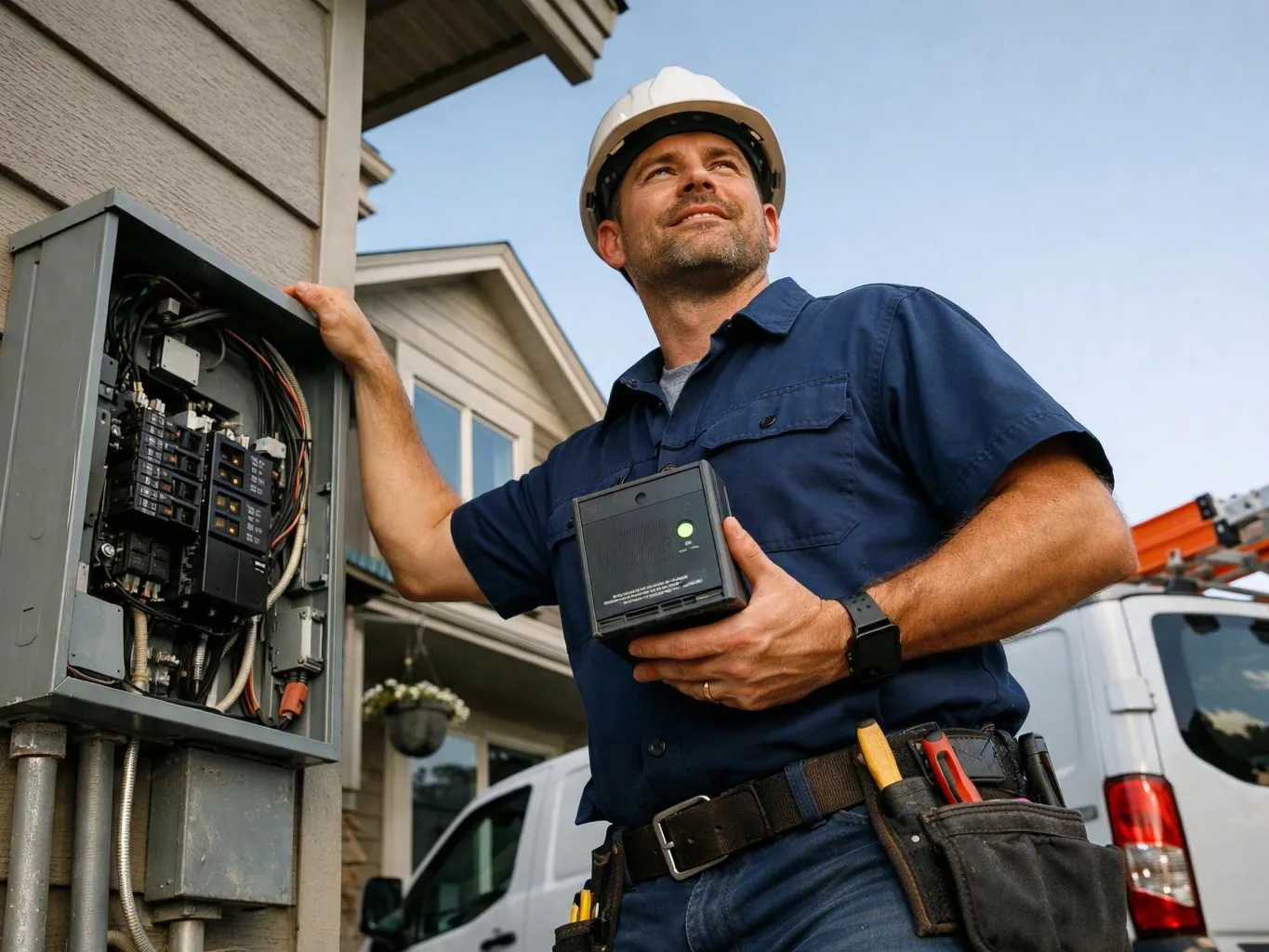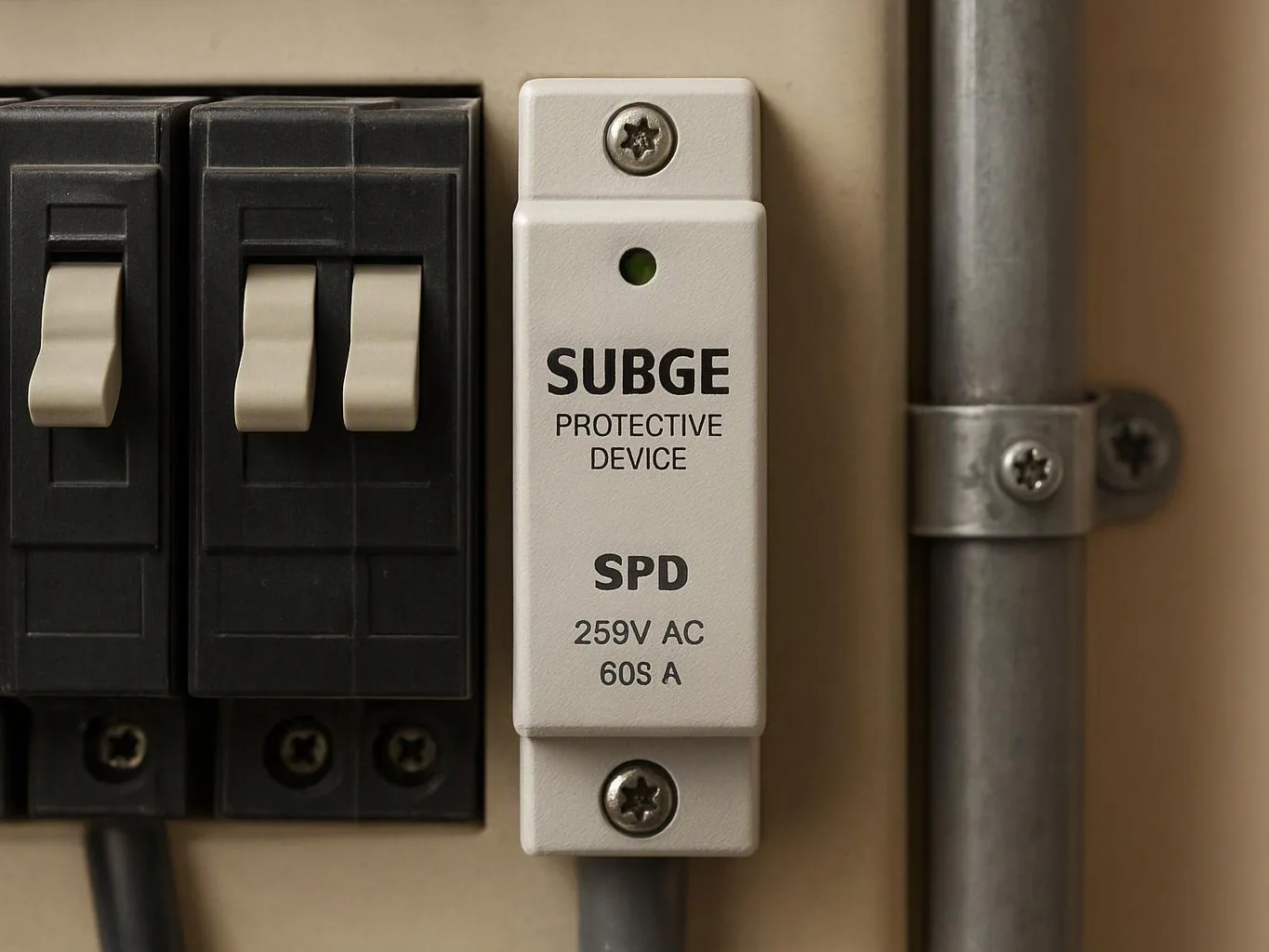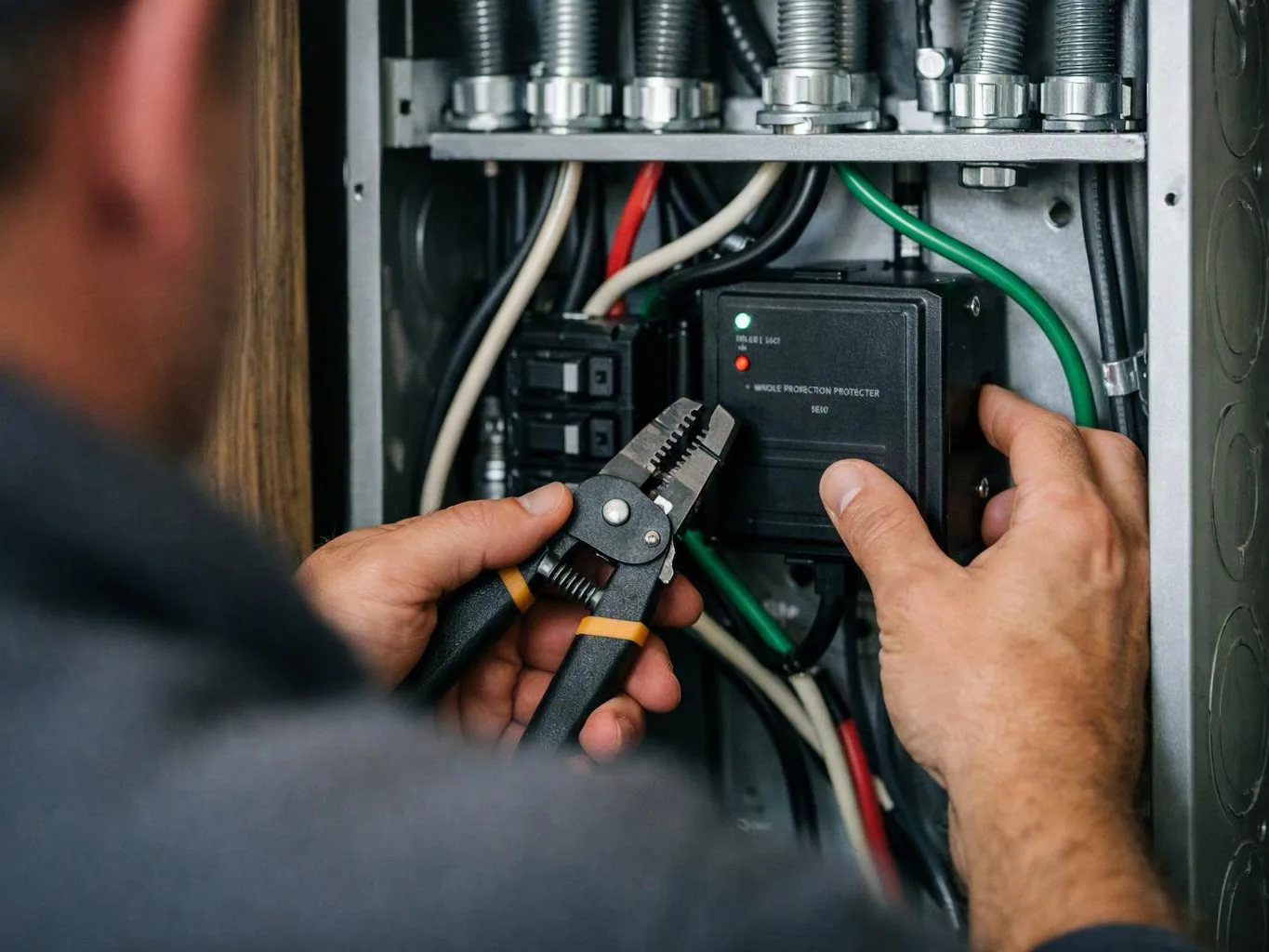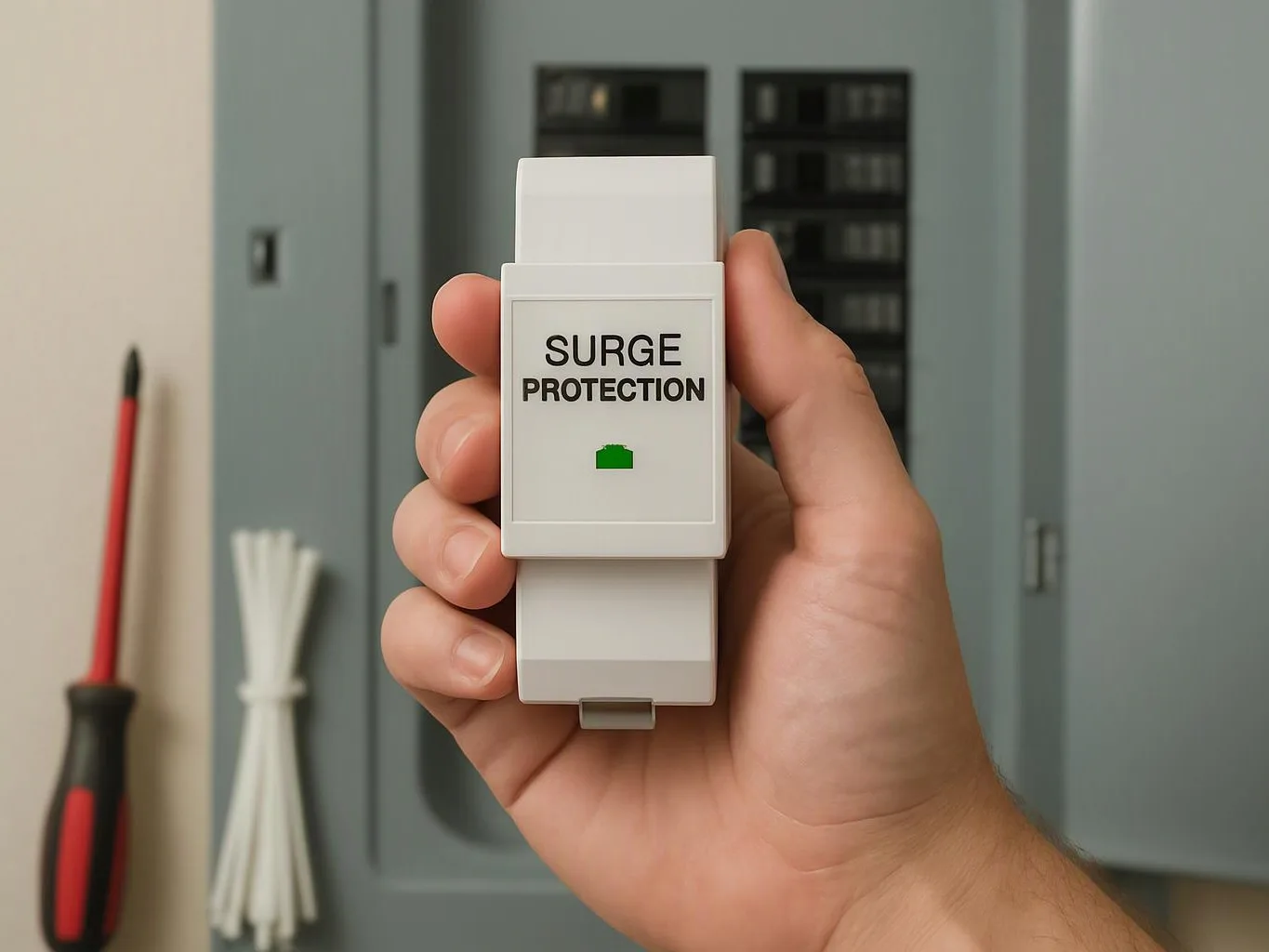
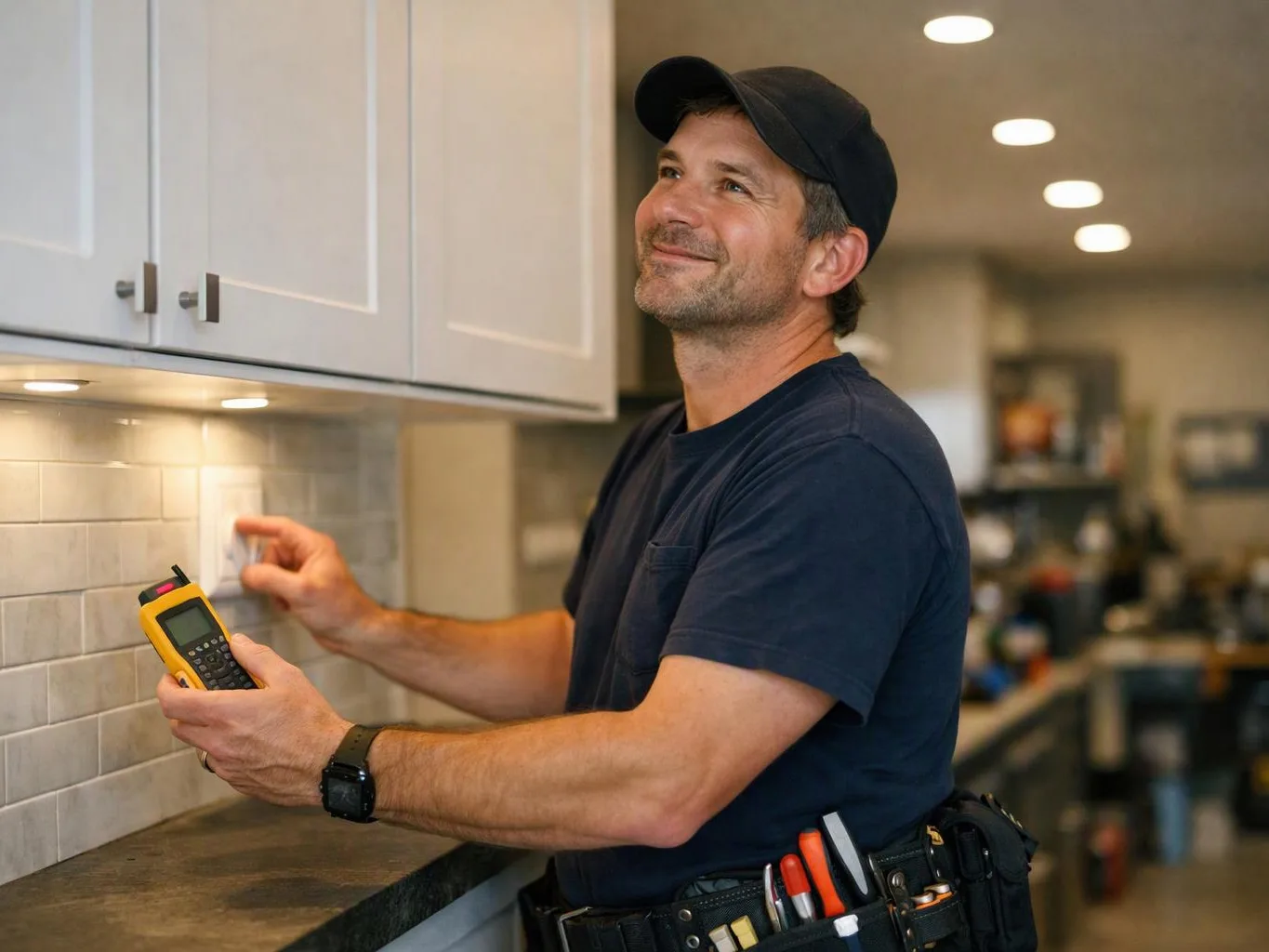
Inspect the panel and proposed circuits
We inspect the electrical system, panel, grounding, and circuits you want to support. We also review the proposed EV charging and backup equipment.
Your electric vehicle can support selected home circuits when the vehicle, charger, and home wiring are compatible. We plan the connection around safe operation and reliable power use.
Selected home circuits can draw backup power from a compatible EV system.
The installation separates utility power from vehicle power during transfer.
Circuit selection helps match backup use to the electrical system and household needs.
Bidirectional electric-vehicle home backup integration is an electrical connection that sends power from a compatible EV battery to selected home circuits.
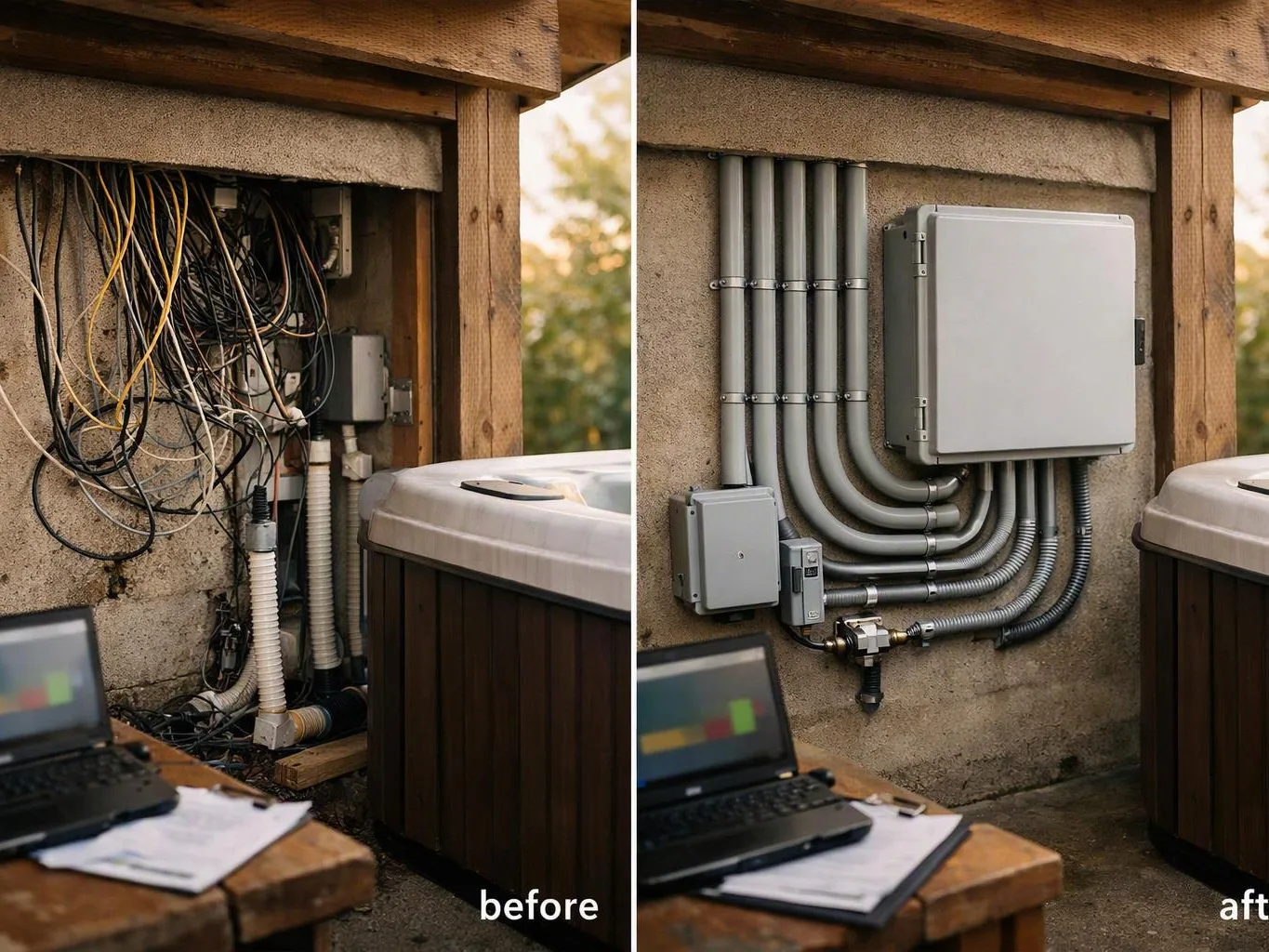
Bidirectional backup starts with the electrical system, not the vehicle alone. We inspect the service panel, grounding, available capacity, and circuits you want supported. The review helps separate ordinary EV charging from power transfer into the home. We then assess the charging equipment and transfer controls. The system must keep incoming utility power and vehicle power separated during a transfer. Our electricians trace the proposed path, identify faults, and discuss repair options before installation or adjustment. The final stage is testing and verification. We check the connection, observe the transfer behavior, and confirm that the selected circuits respond as planned. The vehicle, charger, panel, and home load must work as one system.
We inspect the electrical system, panel, grounding, and circuits you want to support. We also review the proposed EV charging and backup equipment.
We assess the available electrical capacity and trace the route between the vehicle equipment, transfer controls, panel, and selected circuits.
We complete the electrical work needed for the approved setup, using safe practices and keeping utility and vehicle power paths controlled.
We test the connection and selected circuits, then check how the system changes between utility power and vehicle backup.
We explain what was checked, identify any remaining fault, and discuss repair or follow-up options with you.
These details help us assess the vehicle, equipment, circuits, and electrical system before work begins.
We inspect the panel, grounding, selected circuits, and proposed EV connection before performing bidirectional backup work.
We assess the vehicle backup path through systematic troubleshooting before recommending installation changes or electrical repairs.
Ask Service Electric about your bidirectional EV home backup integration and the first system assessment; urgent requests get priority scheduling.
A vehicle may charge normally while its backup function remains unavailable. Bidirectional power needs compatible vehicle equipment, transfer controls, and a suitable connection to selected circuits. Turn off the backup feature if it shows a fault, then share the warning and equipment details with us. We’ll inspect the electrical path and explain what needs attention.
A homeowner may want the EV to support lights, refrigeration, or other key loads during an outage. The panel connection and total load decide whether those circuits fit the planned setup. Write down the circuits that matter most and make the panel accessible. We’ll review the load, trace the circuits, and discuss workable options.
A business may need selected equipment supported while keeping other loads disconnected. Commercial panels, operating loads, and access requirements can change the inspection and testing work. Gather the panel location, charger details, and the equipment that must stay powered. We’ll assess the connection and outline the required electrical work.