Record the failure pattern
We ask what lost power, when the breaker trips, and whether lights, outlets, or equipment are affected.
A tripping breaker can point to a damaged part, an overloaded circuit, or a wiring fault. We inspect the system and plan a safe repair.
Repeated trips receive a cause-based repair plan, not repeated resets.
The affected circuit is checked for heat, loose connections, and wiring faults.
You receive repair options before work proceeds on the panel or circuit.
Homes and businesses can make a safer decision about repair or replacement.
Circuit breaker repair is an electrical service that restores safe breaker operation after a trip, fault, or damaged part.
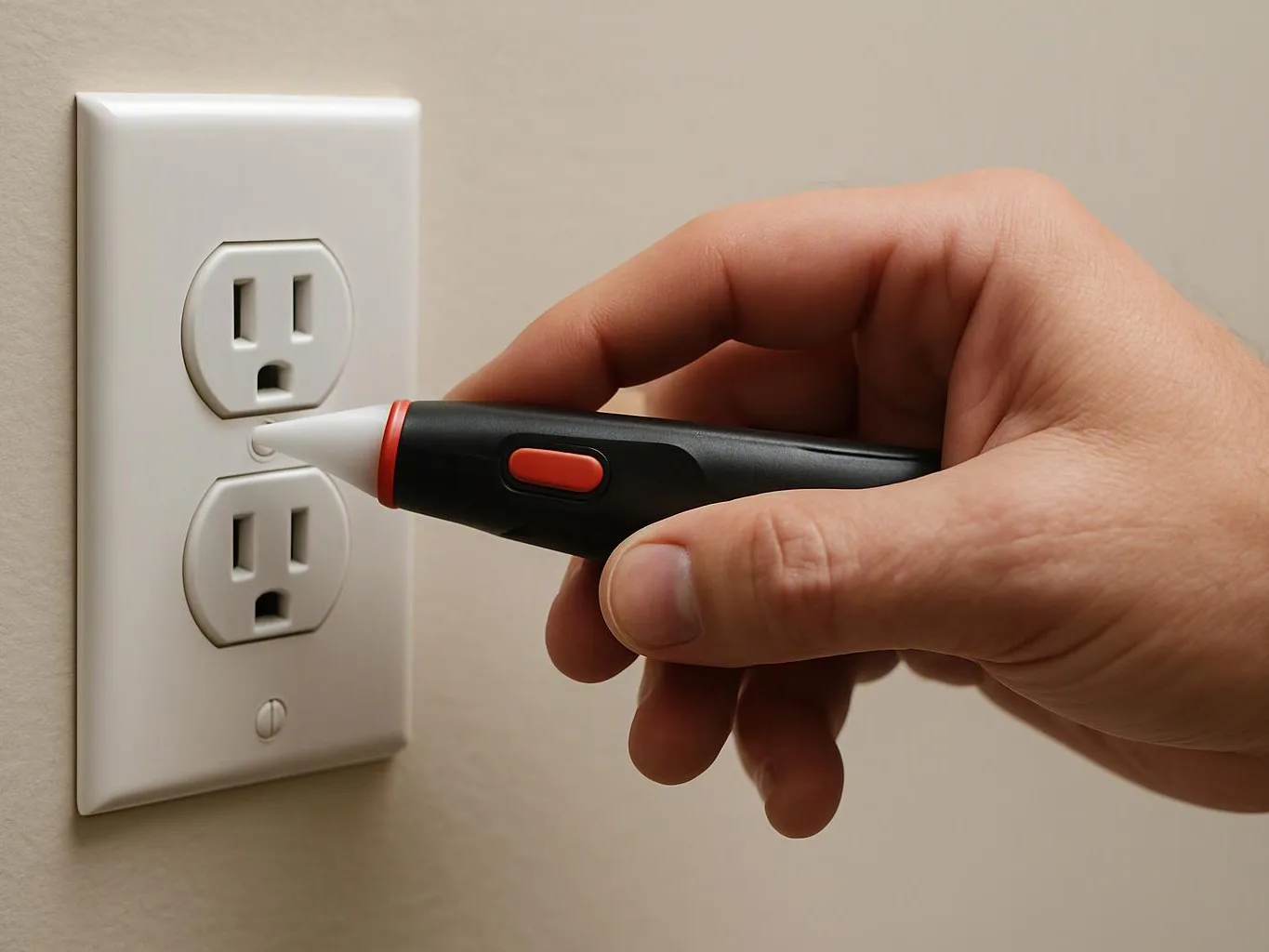
Circuit breaker repair begins with the part that trips, but the fault may sit elsewhere. An overloaded circuit, short circuit, ground fault, loose termination, or failing breaker can produce similar symptoms. We inspect the electrical system before work starts. Our team checks the panel, identifies the affected circuit, and uses circuit tracing to follow the fault. We then explain whether the breaker needs repair, replacement, or a wider correction. A breaker should not be replaced with a larger size to stop nuisance trips. The breaker protects the wire, so its rating must match the circuit and its load. We focus on the failure mode first, because a new part alone won't fix damaged wiring or excessive demand.
We ask what lost power, when the breaker trips, and whether lights, outlets, or equipment are affected.
We check the breaker, bus connection, wire terminations, heat marks, and signs of arcing or damage.
We follow the circuit from the panel to its connected loads and look for overloads, shorts, ground faults, or loose wiring.
We perform systematic troubleshooting and testing to separate a failed breaker from a circuit or equipment problem.
We explain the fault, the repair options, and any related work needed for safe and lasting operation.
A few details help us focus the inspection when the power problem affects part of your property.
We inspect the panel, breaker, connected wiring, and affected circuit before performing any repair.
We identify the failure mode and explain whether repair, breaker replacement, or related circuit work fits the problem.
We trace the circuit and test connected loads before recommending a breaker repair or replacement.
Tell us which breaker or circuit is affected, and urgent requests get priority scheduling.
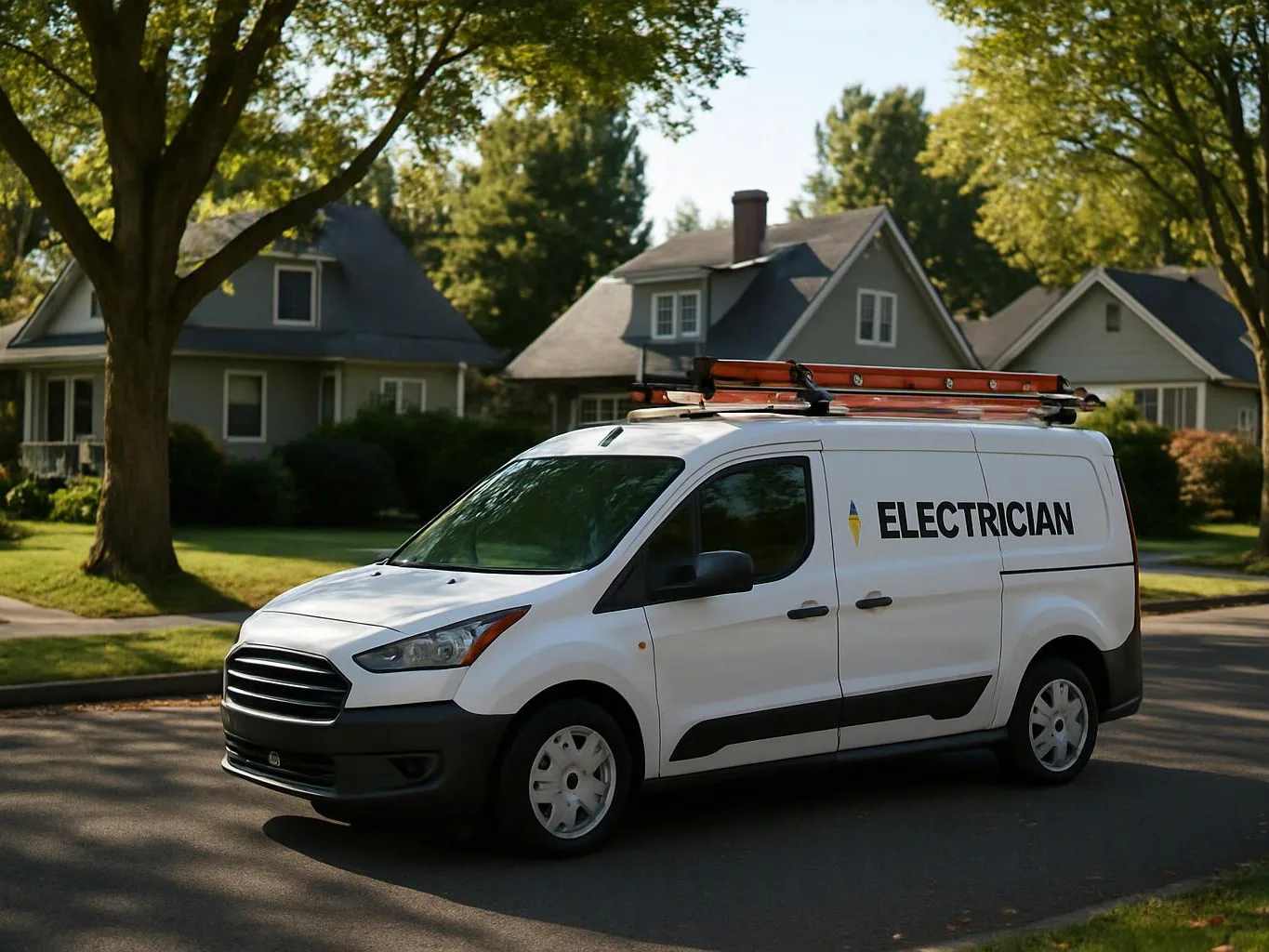
A commercial circuit may trip when several pieces of equipment run together. The key issue is whether the breaker is protecting against overload or responding to a wiring fault. Note the equipment in use and keep the breaker off if heat, smoke, or a burning smell appears. We can inspect the panel, trace the circuit, and discuss repair options.
One room may lose power while the rest of the home still works. A tripped breaker, failed device, or fault along the circuit can create that pattern. Check the panel only if there are no signs of heat or damage, and avoid repeated resets. Tell us which outlets and lights are affected so we can target the inspection.
A breaker that trips again after resetting is giving useful information about the circuit. The fault could involve connected equipment, a short, a ground fault, or the breaker itself. Stop using the affected circuit if you notice buzzing or a burning odor. We’ll inspect the panel and wiring, then explain whether repair or replacement fits the fault.