Skip to content

Bidirectional Electric-Vehicle Home Backup Integration in Bloomington, Texas

Bidirectional charger checks come first in Bloomington. We review whether the vehicle, transfer equipment, backup panel, and home electrical system fit together.

Licensed & InsuredWarranty AvailableSame-Day ServiceUpfront, Transparent Pricing

Quick Summary: Vehicle-Based Home Backup in Bloomington, Texas

Bidirectional electric-vehicle home backup integration in Bloomington is provided by Service Electric for homes and properties that need vehicle-based backup power. The work covers charger checks, transfer equipment, a vehicle inlet, a backup panel, and related electrical connections, with service available in Victoria County and surrounding communities.

  • What we do: Service Electric provides bidirectional electric-vehicle home backup integration in Bloomington, Texas, including electrical checks and connection planning for vehicle-based backup power.
  • What is included: We assess the bidirectional charger, transfer equipment, vehicle inlet, backup panel, and control software needed for home backup use.
  • What you get: The home has a defined backup setup with compatible equipment, selected circuits, and a clear electrical scope.

Why won't my electric vehicle provide backup power at home?

A bidirectional charger and compatible transfer equipment are required before an electric vehicle can supply home backup power. The vehicle, charger, inlet, backup panel, and control software must work as one system. Service Electric checks those parts and the home's electrical layout before setting the installation scope.
Working With Our Team in Bloomington

This service is for property owners who want an electric vehicle to support selected household circuits during a power outage. The key decision is whether the vehicle, bidirectional charger, transfer equipment, and existing electrical system are compatible.

The work is more involved than installing a one-way EV charging station. We review the service panel, available capacity, vehicle inlet, backup panel, and control software before we define the work. That review helps separate a complete backup setup from a charger that only adds energy to the vehicle.

The main limit is equipment compatibility. If the vehicle or charger cannot support power export, this service won't create that function. We can still explain the electrical scope and identify whether another service, such as EV charging installation or generator work, better fits the property.

  • Confirm that the vehicle and bidirectional charger support home backup use.
  • Review the main panel, available capacity, and circuits that need backup power.
  • Plan the transfer equipment and backup panel connection.
  • Check the vehicle inlet and control software requirements.
  • Test the installed connections and explain the operating setup.
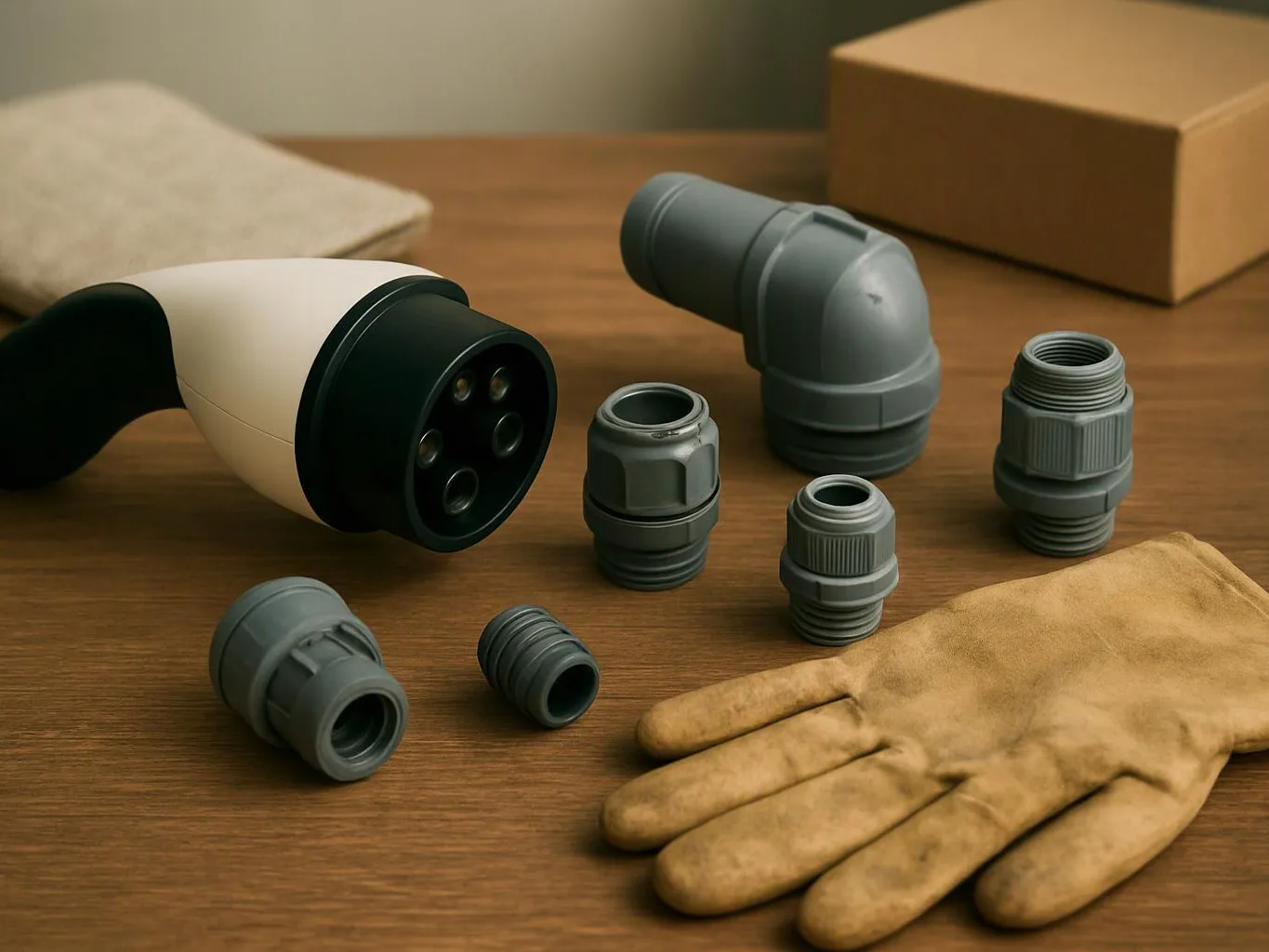
A camera charger and several gray plastic adapter fittings sit on a wooden table beside a work glove

Service Overview

Bidirectional electric-vehicle home backup integration is an electrical service that lets a compatible electric vehicle supply power to selected home circuits.

  • Unlike standard EV charging installation, this work must manage power flowing both into the vehicle and back toward the home.
  • We provide this service for homes in Bloomington and surrounding Victoria County communities.
Process

How We Plan and Connect Vehicle-Based Home Backup

1

Check the vehicle and charger

We confirm whether the vehicle and charger support bidirectional power flow and review the connection requirements.

2

Review the electrical service

We inspect the main panel, available capacity, grounding, and the circuits the owner wants to support.

3

Plan the transfer equipment

We define how the transfer equipment will separate vehicle power from the utility supply during backup operation.

4

Set the backup panel scope

We identify the selected circuits and determine how the backup panel will connect to the home's electrical system.

5

Verify the completed connections

We test the electrical connections and explain the control software and operating steps for the planned setup.

How We Approach Vehicle-Based Backup Work

Equipment compatibility comes first

The vehicle and charger must support power export before we plan the rest of the work. A standard one-way charging station is the wrong job for home backup integration.

The backup load gets defined

We identify which circuits matter during an outage and review whether the backup panel can serve them. This keeps the electrical scope tied to the property's actual needs.

Connections are checked together

Transfer equipment, the vehicle inlet, the panel connection, and control software must work as one setup. We explain the parts and the next step before work begins.

What Vehicle-Based Home Backup Integration Includes

Service Electric provides comprehensive Bidirectional electric-vehicle home backup integration in Bloomington. Here's what you get:

  • We check the bidirectional charger and its connection requirements.
  • We review the main panel and available electrical capacity.
  • We plan the transfer equipment that separates backup power from the utility supply.
  • We identify the vehicle inlet and cable connection needed for the setup.
  • We plan a backup panel for the selected home circuits.
  • We check control software requirements and verify the electrical connections.

What This Backup Setup Changes for Your Home

Selected home circuits can be planned around the vehicle's available backup function.

A defined backup panel helps separate essential loads from circuits that do not need vehicle power.

Checking capacity first helps prevent an EV charging setup from being treated as whole-home backup.

Clear equipment matching makes the operating steps easier to understand.

A planned transfer arrangement supports safe separation between vehicle power and utility power.

Charging Setup Compared With Home Backup Integration

These options differ by the direction of power flow and the equipment needed.

Electrical optionPower flowMain purpose
Standard EV charging installationUtility to vehicleCharges the electric vehicle
Vehicle-based home backup integrationUtility to vehicle and vehicle to selected home circuitsSupports planned backup power for selected loads

The Service Electric Standard

  • Round-The-Clock Assistance
  • Pre-Work Inspection
  • Fault And Options Review
  • Safe Electrical Practices

Questions About Vehicle-Based Home Backup

What is needed to use an electric vehicle as home backup power?

Service Electric checks the bidirectional charger, transfer equipment, vehicle inlet, backup panel, and control software before planning home backup power. The vehicle must support power export, and the home needs a safe connection for selected circuits. We also review panel capacity and load needs so the system's scope matches the property.

How can I tell whether vehicle backup fits my property?

Property fit depends on vehicle compatibility, charger capability, panel capacity, and the circuits you want to support. We inspect the electrical service and compare the planned backup load with the available equipment. A standard EV charger alone does not confirm that the home can receive power from the vehicle.

Which part of the property decides the backup scope?

The main electrical panel and the circuits selected for backup set much of the project scope. We review panel capacity, circuit layout, grounding, and the proposed backup panel. The final plan also depends on the transfer equipment and the vehicle's power export limits.

Which material changes the installation work?

The existing panel equipment and the wiring serving the selected circuits change the installation work. We check conductor condition, panel space, grounding, and the route to the vehicle inlet. Those details help determine whether the property needs panel work, new connections, or a different service plan.

Why does a regular EV charger not provide home backup?

A regular EV charger sends power to the vehicle but does not send power back to the home. Home backup needs a compatible bidirectional charger, transfer equipment, and a controlled connection to selected circuits. We check those parts before treating an existing charging station as part of a backup plan.

What should I share before requesting a backup quote?

The vehicle model, existing charger details, main panel information, and desired backup circuits help us review the job. Photos of the panel and charging location can also clarify access and equipment placement. Service Electric uses those details to discuss the assessment and prepare a scope-based quote.
Contact

Request a Quote for Vehicle-Based Home Backup in Bloomington

Start with an equipment and panel assessment, and urgent requests get priority scheduling.

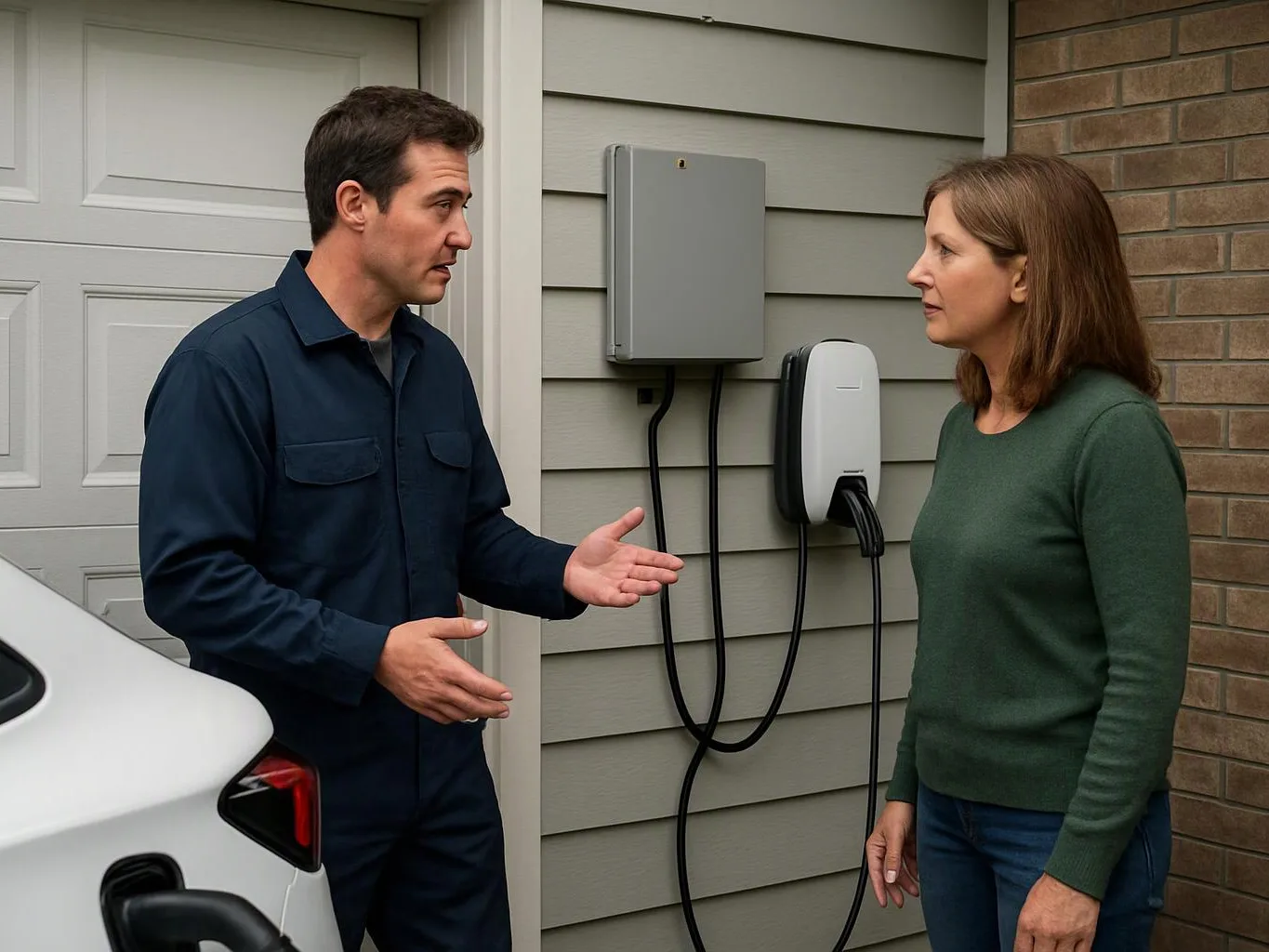
A man talks with a woman beside a home charging unit and parked electric car in a driveway

ZIP Codes We Serve in Bloomington, Texas

77951

Bidirectional electric-vehicle home backup integration in Other Areas

(361) 405-6801