Skip to content

Bidirectional Electric-Vehicle Home Backup Integration in Placedo, Texas

Frequency testing helps prevent unsafe backup transfer in Placedo. We verify that the vehicle, transfer controls, and home circuits work together safely.

Licensed & InsuredWarranty AvailableSame-Day ServiceUpfront, Transparent Pricing

Quick Summary: Vehicle Backup Integration in Placedo, Texas

Bidirectional electric-vehicle home backup integration in Placedo is provided by Service Electric for vehicle-based home backup systems. The work covers frequency testing, transfer checks, voltage verification, and emergency shutdown testing across Placedo and surrounding communities.

  • What we do: Service Electric provides bidirectional electric-vehicle home backup integration for properties in Placedo, Texas.
  • What is included: Frequency testing, transfer testing, anti-islanding checks, voltage verification, and emergency shutdown testing.
  • What you get: The finished system transfers backup power safely and disconnects when testing shows an unsafe condition.

Why does vehicle backup power need frequency testing before it supports a home?

Frequency testing checks whether backup power stays within a safe operating range during transfer and shutdown. Unstable frequency can affect connected circuits, so we test the system before treating it as ready for home backup.
Bidirectional Electric-Vehicle Home Backup Integration for Placedo Homes

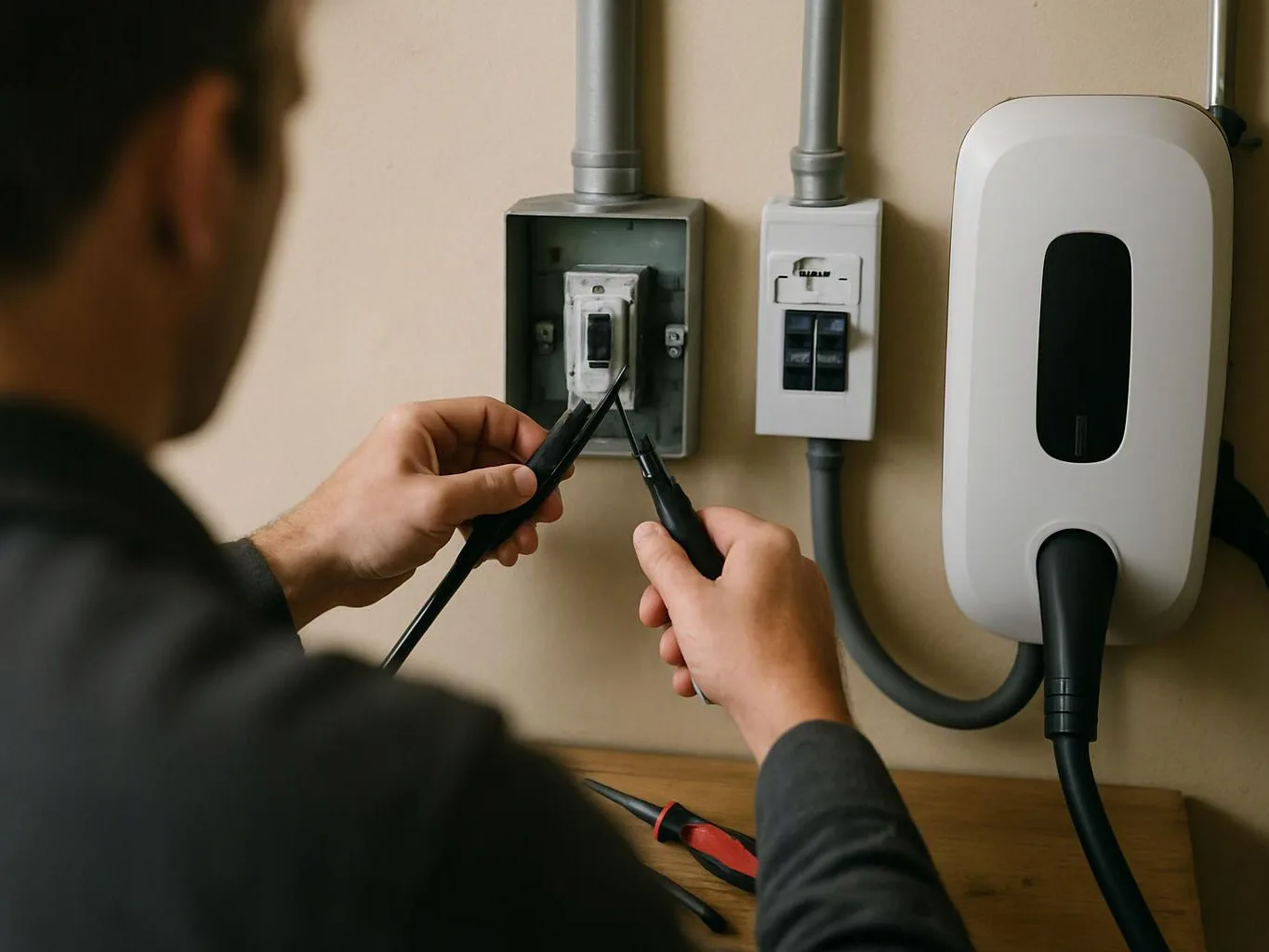
Bidirectional electric-vehicle home backup integration links an EV, charging equipment, transfer controls, and selected home circuits. The buyer's key decision is whether the equipment can move between utility power and vehicle power without unsafe backfeed.

The main focus on this page is safe testing. We inspect how the system responds during transfer, loss of utility power, changing load, and emergency shutdown. Frequency testing is one part of that review, while voltage verification and anti-islanding checks address other failure points.

This service fits property owners planning vehicle-based backup power or checking an installed system. It isn't the right job for a basic EV charging installation with no power flow back to the home.

  • Confirm which home circuits the vehicle backup system is meant to support.
  • Check the transfer equipment and the path between the vehicle and home panel.
  • Test voltage and frequency during utility and backup conditions.
  • Verify that emergency shutdown controls stop power flow.
  • Record issues that need repair, adjustment, or further electrical review.
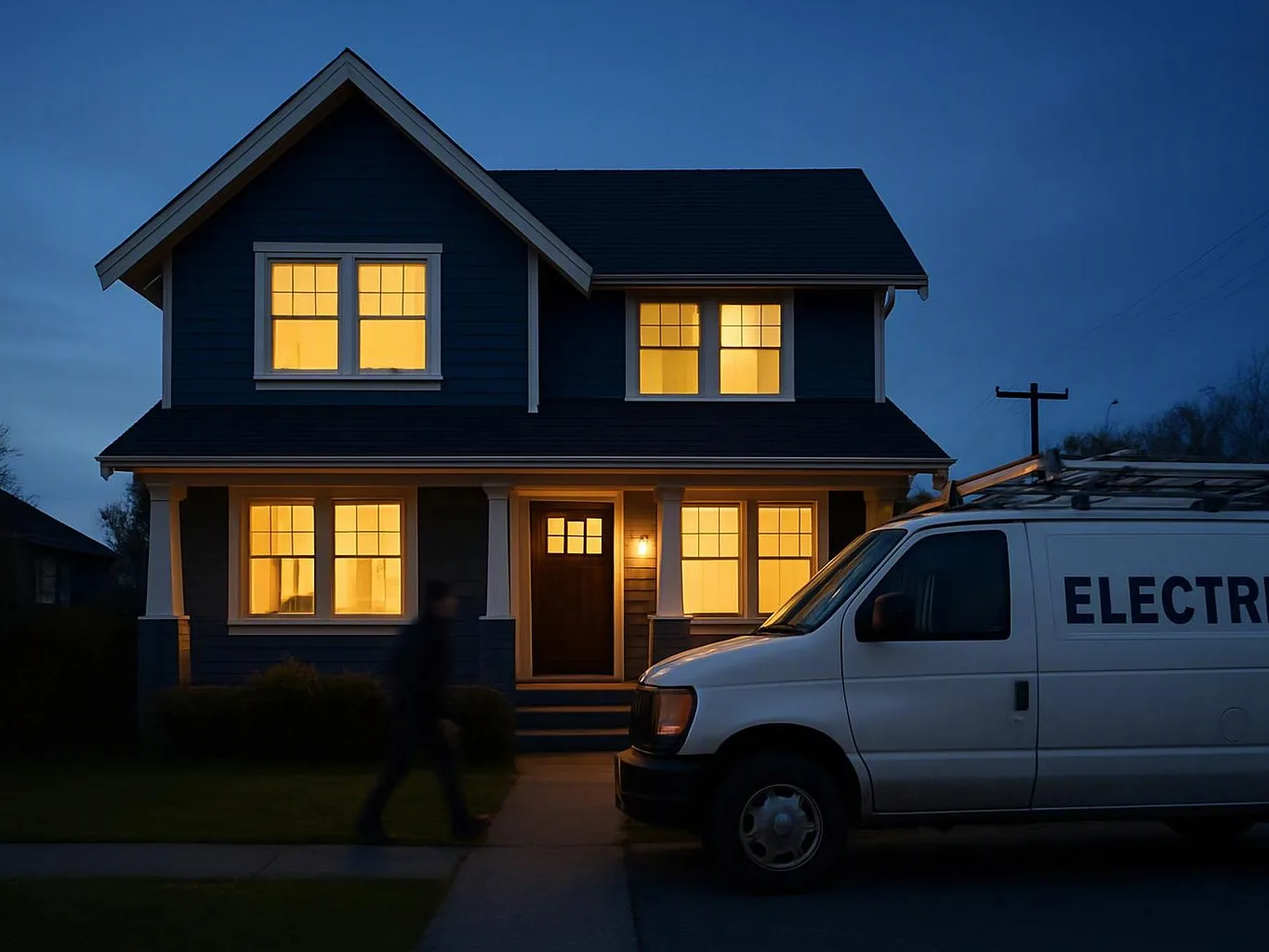
A lit two-story house at dusk stands beside a white service van, with a person walking past the driveway

Service Overview

Bidirectional electric-vehicle home backup integration is a power setup that lets an electric vehicle send stored energy to selected home circuits.

  • The work differs from standard EV charging because the system must control power flow back to the home and stop that flow safely.
  • Service Electric provides this work in Placedo and surrounding communities.

What Safe Vehicle Backup Testing Changes

Testing shows whether the home backup system responds correctly when utility power changes.

Voltage verification helps identify conditions that could stress connected appliances or electrical equipment.

Anti-islanding checks help protect utility workers by confirming that vehicle power stops when required.

Emergency shutdown testing gives property owners a clear way to stop the backup source.

A documented test result helps guide repairs, adjustments, or further system planning.

Process

How We Test Vehicle Backup Power

1

Map the backup power path

We identify the vehicle connection, charging equipment, transfer controls, panel connections, and circuits included in the backup plan.

2

Check the transfer response

We observe how the system changes between utility power and vehicle power, then check for unexpected behavior at the panel.

3

Verify voltage and frequency

We measure the backup supply during the test conditions and compare the readings with the equipment's operating requirements.

4

Run anti-islanding checks

We confirm that the vehicle source disconnects from utility power when the system detects a utility outage.

5

Test emergency shutdown

We activate the shutdown control and verify that vehicle-supplied power stops as intended.

6

Explain the findings

We describe the test results, list any repair needs, and outline the next scope decision in plain language.

What You Get From This Backup Integration Work

A focused safety decision

The inspection centers on transfer behavior, voltage, frequency, and shutdown controls. We explain what passed, what needs attention, and which step fits the system.

Testing tied to the actual equipment

The vehicle, charger, transfer equipment, panel, and backup circuits must work as one system. We check their interaction instead of treating the charger as a separate appliance.

A clear limit on the service

This work doesn't replace damaged wiring, a panel upgrade, or a utility-side repair. We identify those needs and explain when another electrical repair must come first.

What Vehicle Backup Integration Includes

Service Electric provides comprehensive Bidirectional electric-vehicle home backup integration in Placedo. Here's what you get:

  • We review the EV charging equipment, transfer controls, panel connections, and selected backup circuits.
  • We test power transfer between utility service and vehicle-supplied backup power.
  • We check voltage and frequency during the operating states used by the system.
  • We perform anti-islanding checks to confirm backup power does not remain connected to utility lines.
  • We test the emergency shutdown function and note any condition that needs correction.
  • We explain the findings and the next repair or testing step.

Vehicle Backup Test Areas

Each test area checks a different part of the backup power path.

Test areaWhat it checksWhy it matters
Transfer testingMovement between utility and vehicle powerShows whether the system changes sources correctly
Anti-islanding checksSeparation from utility powerChecks that vehicle power stops during an outage condition
Voltage verificationBackup voltage at the tested circuitsHelps identify unsafe or unsuitable power conditions
Emergency shutdownManual stop controlConfirms that the backup source can be stopped when needed

The Service Electric Standard

  • Round-The-Clock Assistance
  • Pre-Work Inspection
  • Fault And Options Review
  • Safe Electrical Practices

Questions About Vehicle Backup Integration Testing

How is bidirectional vehicle backup tested safely?

Frequency testing checks stable backup power before the system supports home circuits. Service Electric also checks transfer behavior, voltage, anti-islanding response, and emergency shutdown.

  1. We map the power path.
  2. We test the transfer states.
  3. We verify shutdown and explain the findings.

What does the crew look at first during vehicle backup testing?

The power path is checked first, including the vehicle connection, charging equipment, transfer controls, and home panel. We identify which circuits the system is meant to support. That review helps us choose safe test conditions and spot wiring or connection issues before power transfer testing begins.

What should be checked before vehicle backup integration is scheduled?

The vehicle, charging equipment, panel layout, transfer equipment, and intended backup circuits should be identified first. We also need to know about warning lights, failed transfers, or shutdown concerns. This information helps us set a focused inspection scope and determine whether a repair must happen before testing.

Which circuits should a vehicle backup system support?

The backup system should support only circuits that fit its rated output and transfer controls. We review the panel layout and the customer's priorities before testing the selected loads. Large loads or circuits with high starting demand may need separate review before they join the backup plan.

Why does anti-islanding matter during a home backup test?

Anti-islanding matters because vehicle power must not remain connected to utility lines during an outage. We test the disconnect response when utility power is absent. The check focuses on safe separation, transfer controls, and whether the backup source stops as required.

How does emergency shutdown testing change the inspection?

Emergency shutdown testing confirms that a manual stop removes vehicle-supplied power from the intended circuits. We activate the control, observe the transfer equipment, and verify the result at the panel. A failed shutdown response needs correction before the backup system is treated as ready.

What changes the quote for vehicle backup testing?

The quote changes with equipment access, circuit count, panel condition, and the number of operating states that need testing. We also consider repairs found during inspection. Service Electric reviews those details before giving the customer a project-specific quote.
Contact

Request a Quote for Vehicle Backup Integration

Do you need your vehicle backup transfer checked? Request a quote from Service Electric, and urgent requests get priority scheduling.

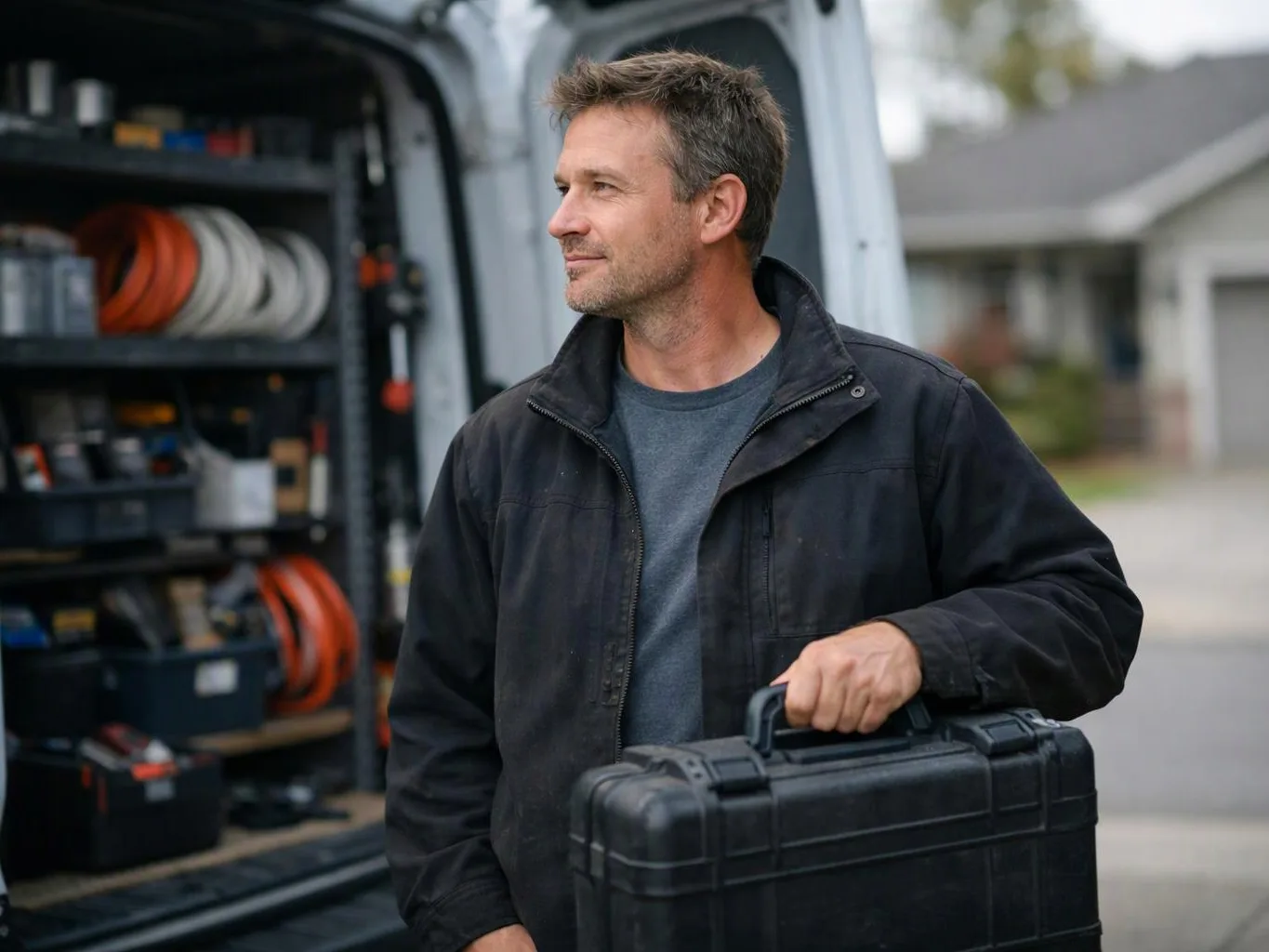
A man stands beside an open work van, holding a black hard case on a quiet street

ZIP Codes We Serve in Placedo, Texas

77977

Bidirectional electric-vehicle home backup integration in Other Areas

(361) 405-6801