Skip to content

Bidirectional Electric-Vehicle Home Backup Integration in Edna, Texas

Automatic transfer connects selected household circuits to vehicle backup power in Edna. We plan the connection around safe isolation and balanced electrical loads.

Licensed & InsuredWarranty AvailableSame-Day ServiceUpfront, Transparent Pricing

Quick Summary: Vehicle Backup Integration in Edna, Texas

Bidirectional electric-vehicle home backup integration in Edna is provided by Service Electric for homes and properties in the surrounding area. The work connects selected household circuits to vehicle backup power through load checks, isolation, and circuit planning, with licensed and insured electricians handling the electrical service.

  • What we do: Service Electric connects bidirectional vehicle backup power with selected household circuits in Edna, Texas.
  • What is included: circuit mapping, load calculation, load management, isolation switch planning, critical-load circuit setup, and testing and verification.
  • What you get: The customer receives a defined backup layout that shows which household circuits connect to vehicle power.

Why does vehicle backup keep dropping household circuits in Edna, Texas?

Vehicle backup can drop household circuits when the connected load exceeds the planned capacity or isolation is incomplete. We check circuit demand, panel connections, load management, and the communication cable before changing the backup layout. Burning smells, sparking outlets, or a buzzing panel need urgent electrical attention.
Bidirectional Vehicle Backup Integration in Edna, Texas

Bidirectional electric-vehicle home backup integration links a compatible vehicle, charging equipment, and household circuits. The job suits property owners who want selected loads supported during an outage or planned power interruption.

The main decision is which circuits need backup power and which loads should remain off. We review the service panel, perform a load calculation, and plan critical-load circuits around the home's electrical capacity.

This work is different from adding an EV charger alone. A charging installation sends power to the vehicle, while bidirectional integration also controls power returning to the home. The design must include safe isolation, load management, and a communication path between connected equipment.

  • Confirm which household circuits need backup power.
  • Review available panel capacity and perform a load calculation.
  • Plan an isolation switch and critical-load circuit layout.
  • Check communication cable routing between connected equipment.
  • Test circuit operation and verify the final connection.
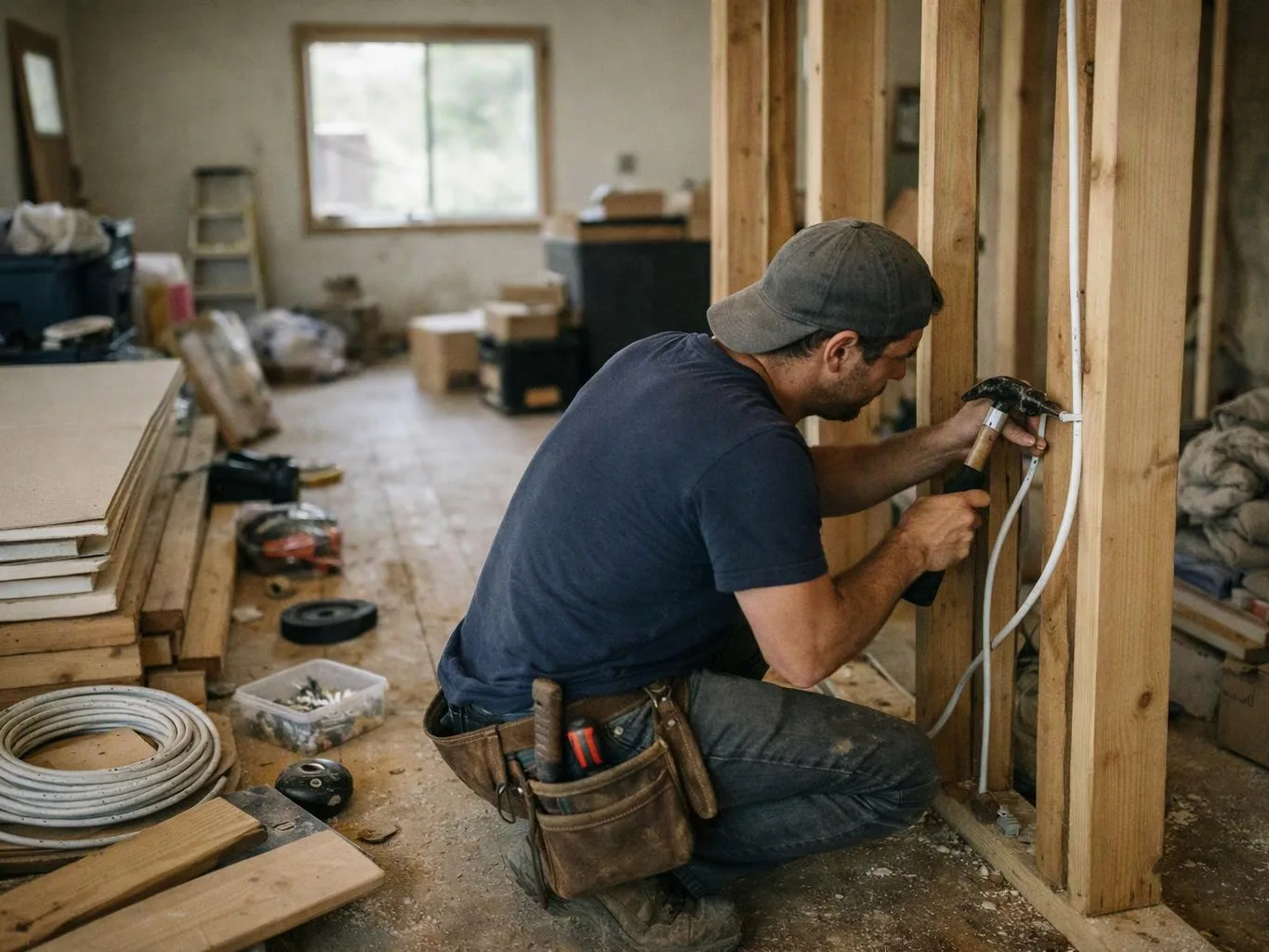
A man kneels in a partially framed room, hammering a cable into a wooden wall stud

Service Overview

Bidirectional electric-vehicle home backup integration is an electrical setup that lets a compatible vehicle send power to selected household circuits.

  • Unlike a standard EV charging installation, this work manages power flowing both into the vehicle and back to the home through isolation and load controls.
  • Service Electric provides this work for homes and properties in Edna and the surrounding area.

What This Backup Connection Changes

Selected household circuits have a defined path to vehicle backup power.

Load management helps keep connected demand within the planned electrical limit.

Circuit mapping gives you a clear record of what receives backup power.

Isolation planning supports safer separation between vehicle power and utility power.

A communication cable check helps connected equipment share the signals needed for operation.

What Vehicle Backup Integration Includes

Service Electric provides comprehensive Bidirectional electric-vehicle home backup integration in Edna. Here's what you get:

  • We review the electrical panel and identify circuits that could connect to vehicle backup power.
  • We complete a load calculation to compare household demand with the planned backup capacity.
  • We plan load management so selected circuits stay within the available power limit.
  • We install or connect the isolation equipment needed to separate household circuits from the utility supply.
  • We map critical-load circuits and explain which lights, outlets, or equipment they support.
  • We test the connection and verify that the planned circuits operate as intended.
Process

How We Connect Vehicle Backup To Household Circuits

1

Map the household circuits

We inspect the panel and identify the lights, outlets, and equipment you want supported.

2

Complete the load calculation

We compare the expected circuit demand with the available backup capacity and identify loads that need control.

3

Plan isolation and controls

We set the isolation point, critical-load layout, load management approach, and communication cable path.

4

Connect the selected circuits

We complete the approved electrical work and connect the planned household circuits to the backup arrangement.

5

Test and verify operation

We check circuit behavior, isolation, control signals, and the final connection before explaining the setup.

What You Get From This Electrical Planning

A circuit plan before connection

We identify the circuits that matter first, then match them to the available backup capacity. The wrong job is a standard EV charging installation when no equipment can send power back to the home.

Load control for selected circuits

A load calculation shows whether the planned circuits fit the backup supply. We use that review to set practical limits before wiring changes are made.

Clear isolation points

The isolation switch separates the home from the utility supply during backup operation. We explain its purpose and check the related connections as part of the work.

Vehicle Charging And Vehicle Backup Connections

These two electrical jobs serve different power-flow needs.

Electrical workPower directionHousehold circuit role
EV charging installationPower moves from the electrical system to the vehicle.The installation supports vehicle charging.
Bidirectional vehicle backup integrationPower can move from the vehicle to selected household circuits.The installation requires load management and safe isolation.

The Service Electric Standard

  • Round-The-Clock Assistance
  • Pre-Work Inspection
  • Fault And Options Review
  • Safe Electrical Practices

Questions About Vehicle Backup Connections

How does automatic transfer connect vehicle backup to household circuits?

Automatic transfer directs backup power to selected household circuits after the home is separated from the utility supply. Service Electric maps critical-load circuits, checks the panel, and plans load management before connecting the equipment. The setup also requires suitable isolation and communication connections so vehicle power does not feed unintended circuits.

What should be ready before vehicle backup integration starts?

The property should have its vehicle equipment details, panel access, and a list of circuits you want supported. We use that information to review the electrical layout and plan the load calculation. Clear access to the panel and proposed cable route helps us define the work without guessing about hidden connections.

Which property condition changes the time for this electrical work?

Panel access and existing circuit layout can change the time needed for the work. A crowded panel, unclear circuit mapping, or limited cable access requires more checking before connections are made. We inspect those conditions, document the needed work, and explain the scope before starting.

What should I ask before agreeing to vehicle backup integration?

Ask which circuits will receive backup power, how load limits will be managed, and where isolation occurs. Also ask how the communication cable will connect the equipment and how testing will verify the final setup. Our team explains those points in the project scope so you know what the system covers.

Can this work power every circuit in my home?

Whole-home backup is not assumed because available vehicle power and household demand must match. We perform a load calculation and identify critical-load circuits that fit the planned capacity. Larger loads may need separate control or exclusion from the backup layout.

Why does the vehicle disconnect when several appliances run?

A vehicle may disconnect when connected household demand exceeds the planned backup limit. We check load management, circuit demand, panel wiring, isolation, and control signals to find the cause. The remedy may involve changing the supported circuit group or adjusting how loads are managed.
Contact

Request A Quote For Vehicle Backup Integration In Edna

Do you need selected household circuits connected to vehicle backup power? Request a quote from Service Electric, and urgent requests get priority scheduling.

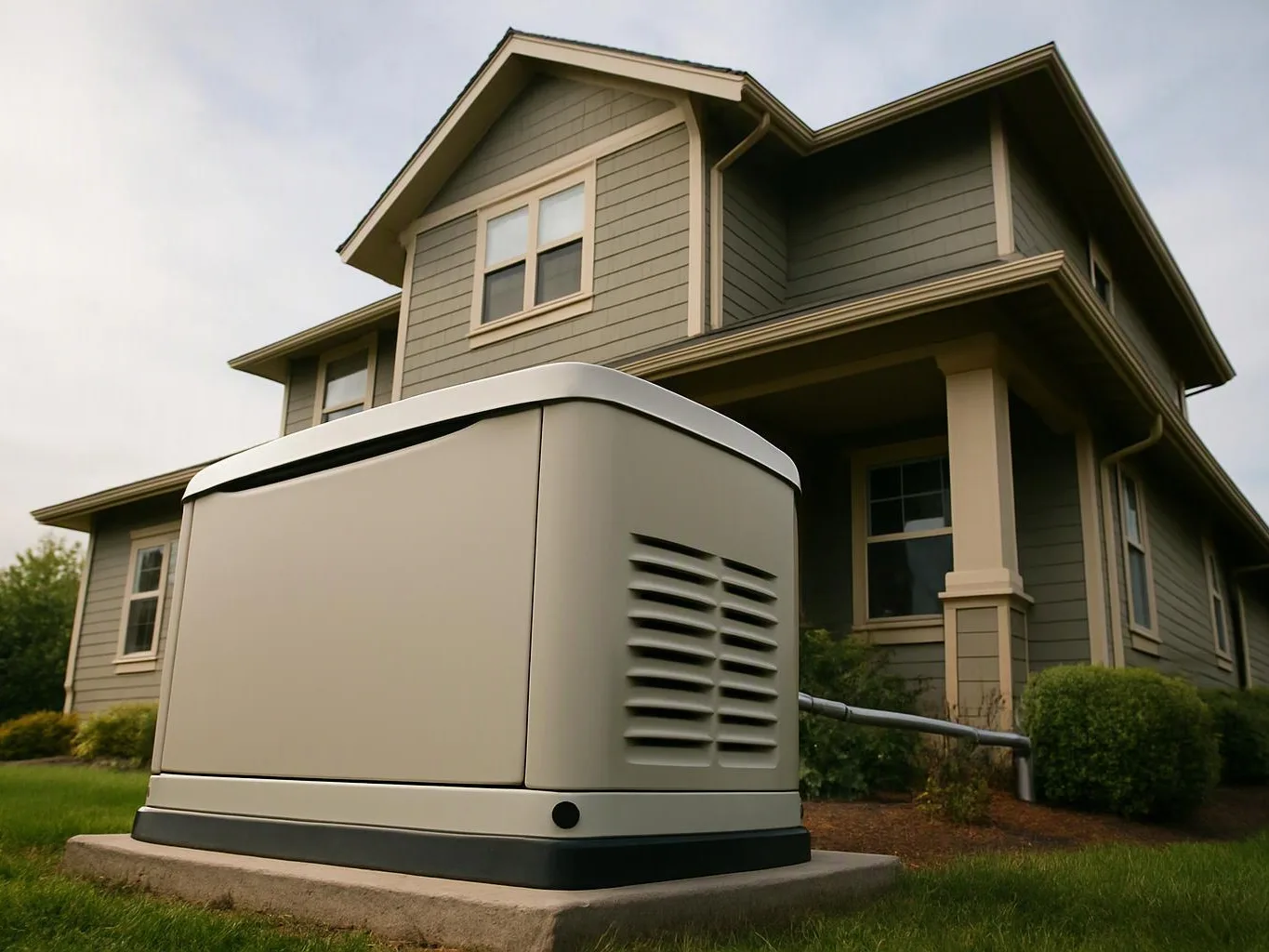
A beige home generator sits on a concrete pad beside a gray two-story house with a grassy yard

ZIP Codes We Serve in Edna, Texas

77957

Bidirectional electric-vehicle home backup integration in Other Areas

(361) 405-6801