Skip to content

Bidirectional Electric-Vehicle Home Backup Integration in Quail Creek, Texas

A bidirectional charger needs safe transfer equipment and a code-ready setup in Quail Creek. We connect the backup panel, vehicle inlet, and control system for the planned work.

Licensed & InsuredWarranty AvailableSame-Day ServiceUpfront, Transparent Pricing

Quick Summary: Vehicle-Based Home Backup Power in Quail Creek, Texas

Bidirectional electric-vehicle home backup integration in Quail Creek is provided by Service Electric for homes that need vehicle-based backup power. The work covers charger connection, transfer equipment, backup circuits, and electrical safety checks, with 24-hour emergency electrical response available from our team.

  • What we do: Service Electric provides bidirectional electric-vehicle home backup integration for homes in Quail Creek, Texas.
  • What is included: We assess bidirectional chargers, transfer equipment, vehicle inlets, backup panels, and control software.
  • What you get: The home has a defined backup power setup with the right circuits selected and the connection plan decided.

Why does my electric vehicle fail to power my home during an outage?

A vehicle cannot power a home without a compatible bidirectional charger, transfer equipment, and a planned backup circuit layout. Service Electric checks those parts and confirms how the vehicle will connect to the backup panel. We also review circuit loads, isolation needs, and control settings before work begins.
How We Serve Clients in Quail Creek

This service is for property owners who want an electric vehicle to support selected home circuits during an outage. The job focuses on the connection between the vehicle, the home service, and the backup panel.

A load calculation helps show which circuits fit the planned backup supply. We inspect the panel, trace important circuits, and identify where transfer equipment and a vehicle inlet belong.

The key decision is which loads need backup power. A refrigerator, lighting circuit, or selected receptacles may fit the plan, while a full-home setup needs a deeper service review.

  • Confirm that the bidirectional charger and vehicle support the planned backup function.
  • Review the main panel, backup panel, service capacity, and grounding path.
  • Choose the household circuits that need backup power.
  • Plan transfer equipment and a vehicle inlet for safe isolation.
  • Check control software settings and test the completed connection.
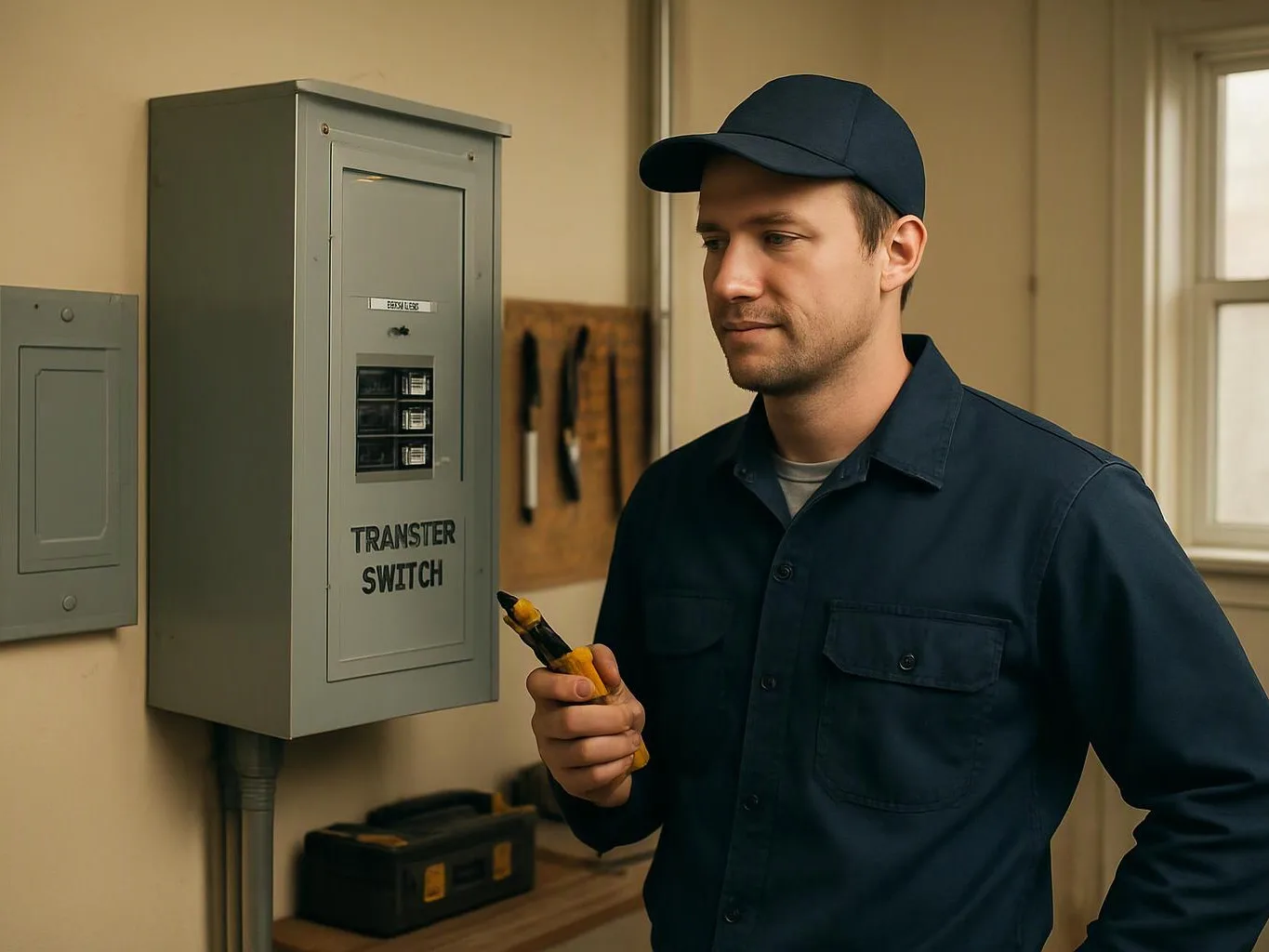
A man in a navy work uniform holds a tool beside a gray transfer switch box in a utility room

Service Overview

Bidirectional electric-vehicle home backup integration is a home power system that lets an electric vehicle send stored energy to selected circuits.

  • EV charging installation brings power into the vehicle, while bidirectional backup work also sends power back through approved transfer equipment.
  • Service Electric provides this work for homes in Quail Creek and surrounding communities.

What Home Backup Integration Changes for You

Selected home circuits can draw power from the vehicle during an outage.

A planned backup panel keeps supported circuits separate from loads outside the system.

Load planning helps prevent an unsuitable circuit mix from overloading the backup supply.

Transfer equipment helps keep home power and backup power separated during operation.

The setup gives you a defined decision about which circuits matter most during an outage.

What You Get From This Backup Power Service

A defined circuit plan

The backup panel and load calculation show which circuits fit the planned power source. This service is the wrong job when the vehicle or charger cannot support bidirectional power.

A safety-first connection review

We inspect transfer equipment, grounding, circuit protection, and the vehicle inlet before the connection is used. Our electricians are licensed and insured.

Clear work decisions

You receive an explanation of the proposed connection, the selected backup loads, and the factors that shape the quote.

Process

How We Set Up Vehicle-Based Home Backup Power

1

Review the vehicle and charger

We confirm the vehicle and bidirectional charger support the planned home backup function.

2

Inspect the electrical service

We inspect the main panel, grounding, service capacity, and existing circuits before setting the work scope.

3

Map the backup circuits

We identify the circuits that matter during an outage and complete a load calculation for the selected group.

4

Plan transfer equipment

We plan the transfer equipment, vehicle inlet, backup panel, and control path for the intended use.

5

Test the finished connection

We check circuit protection, isolation, control settings, and the backup power path before explaining the system.

What Vehicle-Based Home Backup Integration Includes

Service Electric provides comprehensive Bidirectional electric-vehicle home backup integration in Quail Creek. Here's what you get:

  • We inspect the electrical service and review the available capacity for backup power.
  • We complete a load calculation for the circuits selected for backup.
  • We plan the connection between the bidirectional charger, transfer equipment, and vehicle inlet.
  • We identify the backup panel layout and map the circuits that will remain powered.
  • We check grounding, circuit protection, and control settings before the system is used.
  • We explain the work scope and provide a quote for the planned installation.

Backup Circuit Choices for Vehicle Power

The table compares common backup circuit choices by their role in the home.

Backup circuit choiceWhat it supportsWhat we review
Selected lighting circuitsBasic lighting in chosen areasCircuit load and panel capacity
Refrigeration circuitA refrigerator or similar applianceStarting load and backup capacity
Selected receptacle circuitsPlug-in devices in chosen areasCircuit map and expected demand

The Service Electric Standard

  • Round-The-Clock Assistance
  • Pre-Work Inspection
  • Fault And Options Review
  • Safe Electrical Practices

Questions About Vehicle-Based Home Backup Power

What is needed to use an electric vehicle as home backup power?

A bidirectional charger, transfer equipment, a vehicle inlet, and a planned backup panel are needed. Service Electric also checks the vehicle, service capacity, grounding, and selected circuits. A load calculation helps set a safe backup scope, while control software manages how the system operates.

What should be checked before this backup work is scheduled?

Vehicle compatibility and electrical service capacity should be checked before scheduling. We review the charger, main panel, grounding path, circuit loads, transfer equipment, and backup panel location. The owner should also identify which circuits matter during an outage, such as refrigeration or selected lighting.

Who is a good fit for vehicle-based home backup power?

Homeowners with a compatible electric vehicle and a clear need for selected backup circuits are good candidates. We review the vehicle and electrical service before recommending the work. A different service fits properties that need generator installation, broad service upgrades, or repairs unrelated to vehicle backup.

What happens at each stage of the backup installation?

The work moves from equipment review to service inspection, circuit mapping, transfer planning, and testing.

  1. We check the vehicle and charger.
  2. We inspect the panel and grounding.
  3. We select backup circuits.
  4. We plan the equipment path.
  5. We test the finished connection.

Which home circuits should receive vehicle backup power?

The best circuits are the loads that matter most during an outage and fit the backup source. We review refrigeration, lighting, receptacles, and other requested loads during the load calculation. Large or continuous loads may change the panel plan, so we explain the tradeoff before quoting the work.

How does the price change for this type of installation?

The price changes with charger compatibility, panel capacity, wiring access, transfer equipment, and the number of backup circuits. We review those items during the assessment and prepare a quote from the defined scope. Equipment changes or added circuits can also change the final work.

Why is transfer equipment needed for vehicle backup power?

Transfer equipment helps separate the vehicle backup source from other power paths. We inspect the connection plan, circuit protection, and isolation needs before selecting the setup. This step matters because the backup source must feed the planned circuits without creating an unsafe backfeed path.

Bidirectional electric-vehicle home backup integration in Other Areas

Contact

Request a Quote for Home Backup Integration in Quail Creek

Tell Service Electric about your vehicle, charger, and backup goals, and urgent requests get priority scheduling.

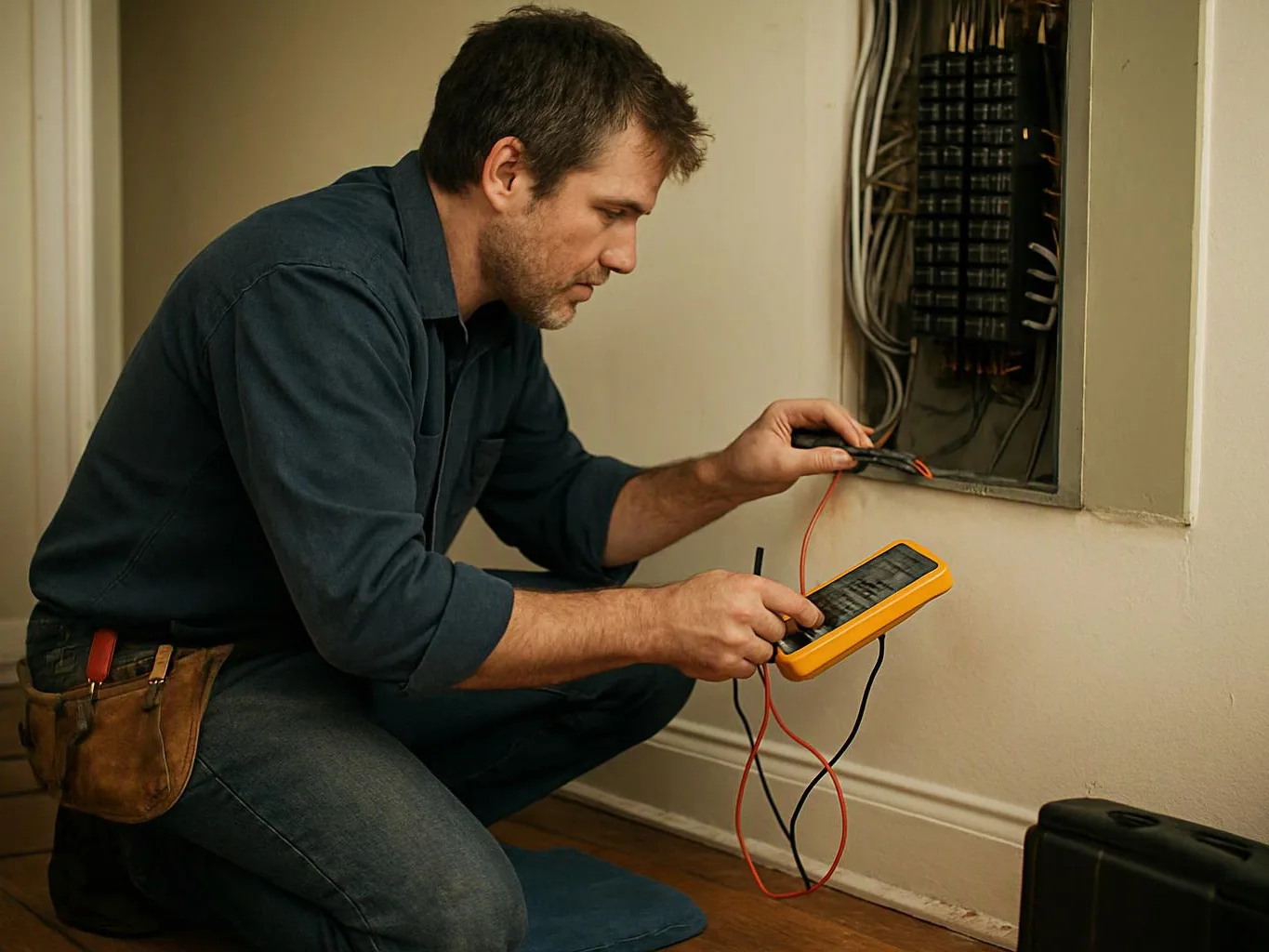
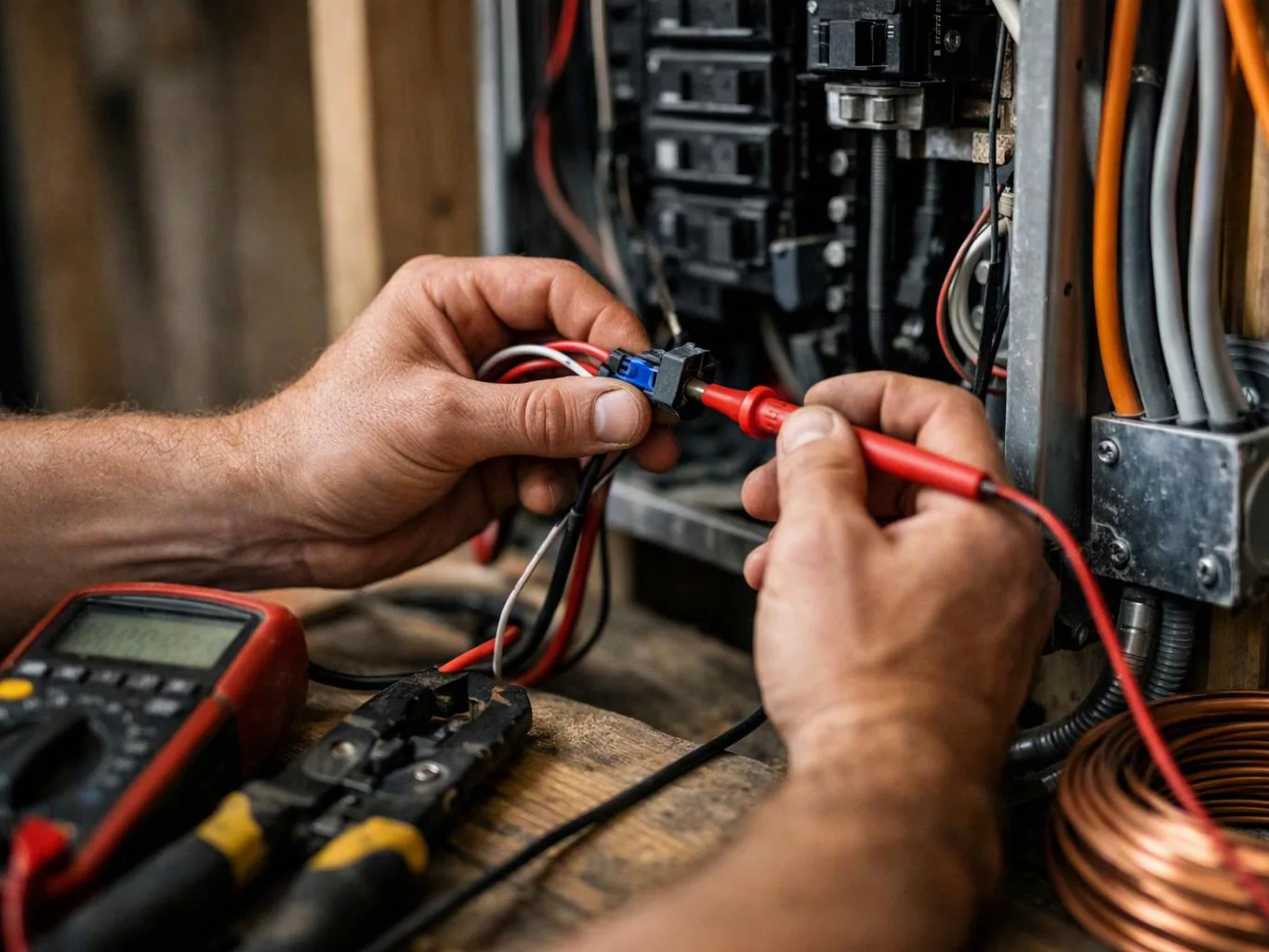
Hands use a red multimeter probe to test wiring inside an open electrical panel
(361) 405-6801