
Skip to content

Standalone Home Battery Critical-Load Backup Installation in Edna, Texas

Sizing the inverter charger starts the backup plan in Edna. We connect the battery cabinet, transfer switch, and critical-load panel to support selected home circuits.

Licensed & InsuredWarranty AvailableSame-Day ServiceUpfront, Transparent Pricing

Quick Summary: Standalone battery backup installation in Edna, Texas

Standalone home battery critical-load backup installation in Edna is provided by Service Electric for homes needing selected circuit backup through a battery cabinet, transfer switch, and critical-load panel. We also provide 24-hour emergency electrical response for urgent electrical problems.

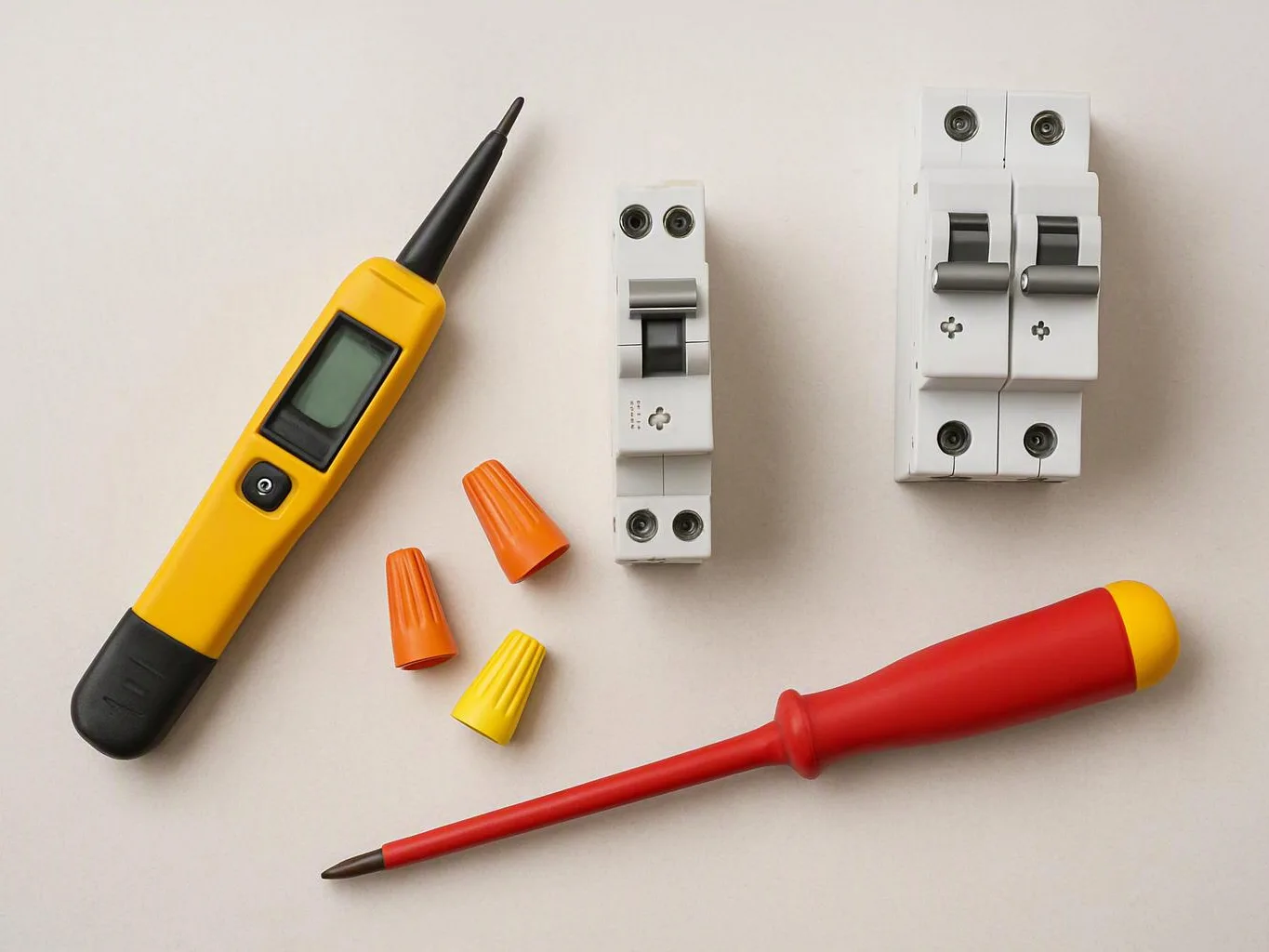
  • What we do: Service Electric installs standalone home supporting system upgrades in Edna, Texas, with an inverter charger, battery cabinet, transfer switch, critical-load panel, and battery disconnect.
  • What is included: We assess the electrical layout, define critical loads, connect the backup equipment, and test the completed system.
  • What you get: The home receives a connected battery backup system that supports the selected critical-load circuits.

Why does my home need more equipment than a battery for standalone backup?

A standalone battery backup needs an inverter charger, transfer switch, critical-load panel, and battery disconnect to control and route stored power safely. Service Electric checks how these parts fit the home's electrical system before installation. The equipment list changes with the selected loads, panel layout, and battery location.
Scope and Service Overview for Edna

Standalone home battery critical-load backup installation serves homeowners who want stored power for selected circuits. The work focuses on critical-load backup, not automatic power for every circuit in the home.

The key decision is which loads the system should support. We review the main panel, circuit paths, available space, and equipment connections before defining the installation scope.

A standalone system can suit a home that needs battery backup without tying the project to another power system. It may be the wrong job when the need is a faulty circuit, a damaged panel, or a whole-home electrical upgrade. Those conditions require diagnosis and a different repair or installation plan.

  • Identify the home circuits that need backup power.
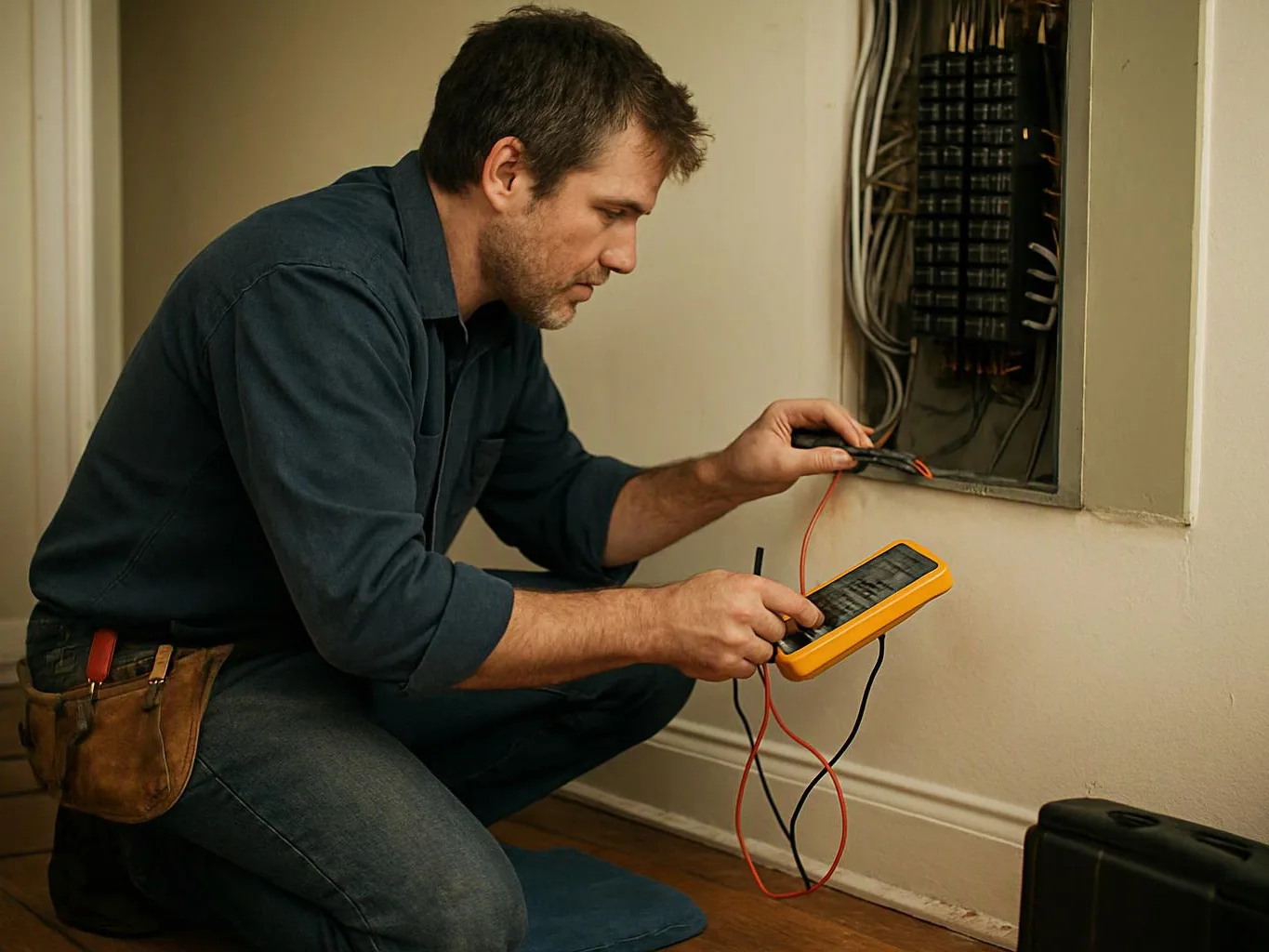
  • Check the main panel and circuit layout.
  • Plan the battery cabinet and disconnect locations.
  • Match the inverter charger to the planned system.
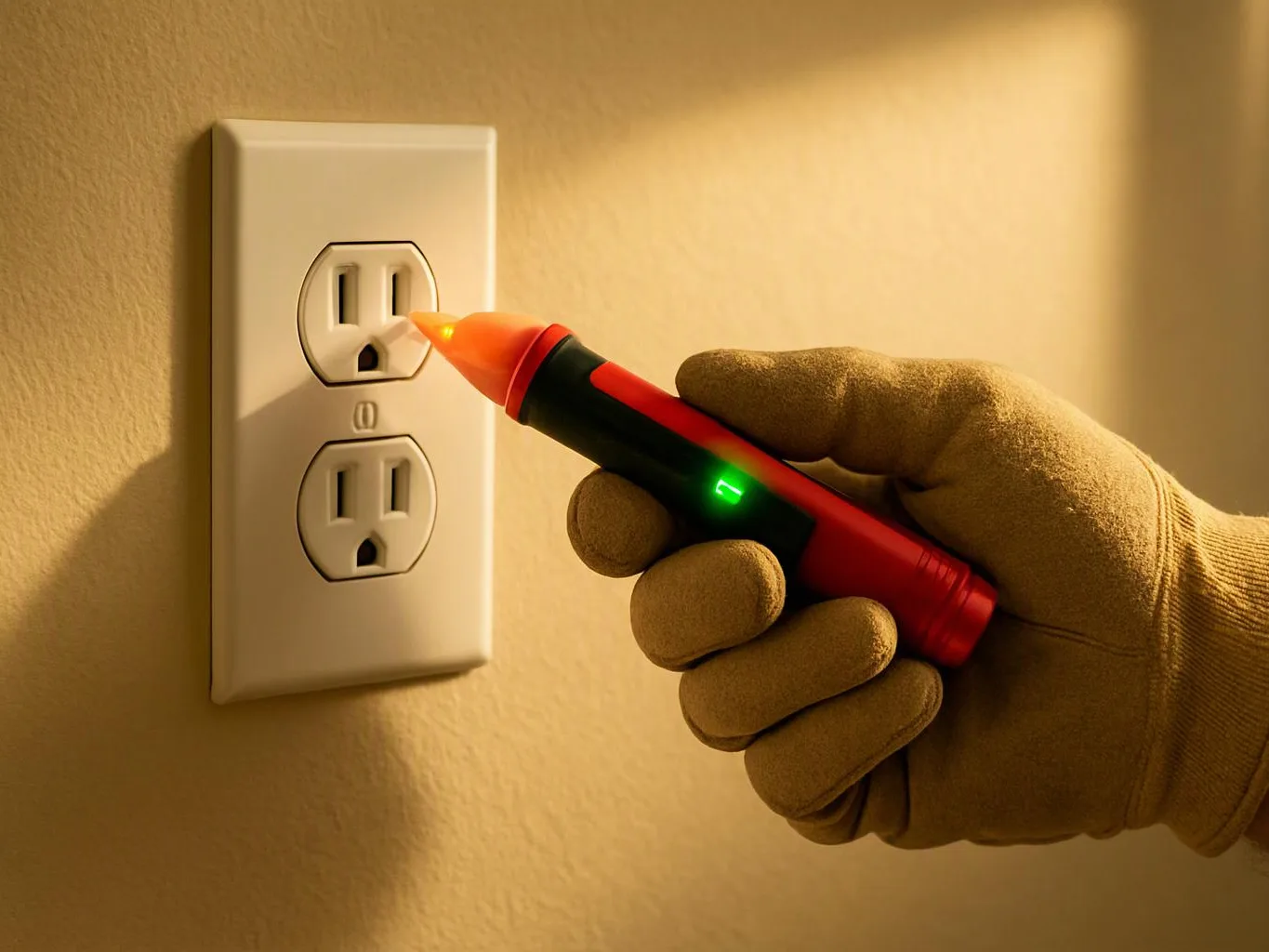
  • Test the connected backup equipment after installation.
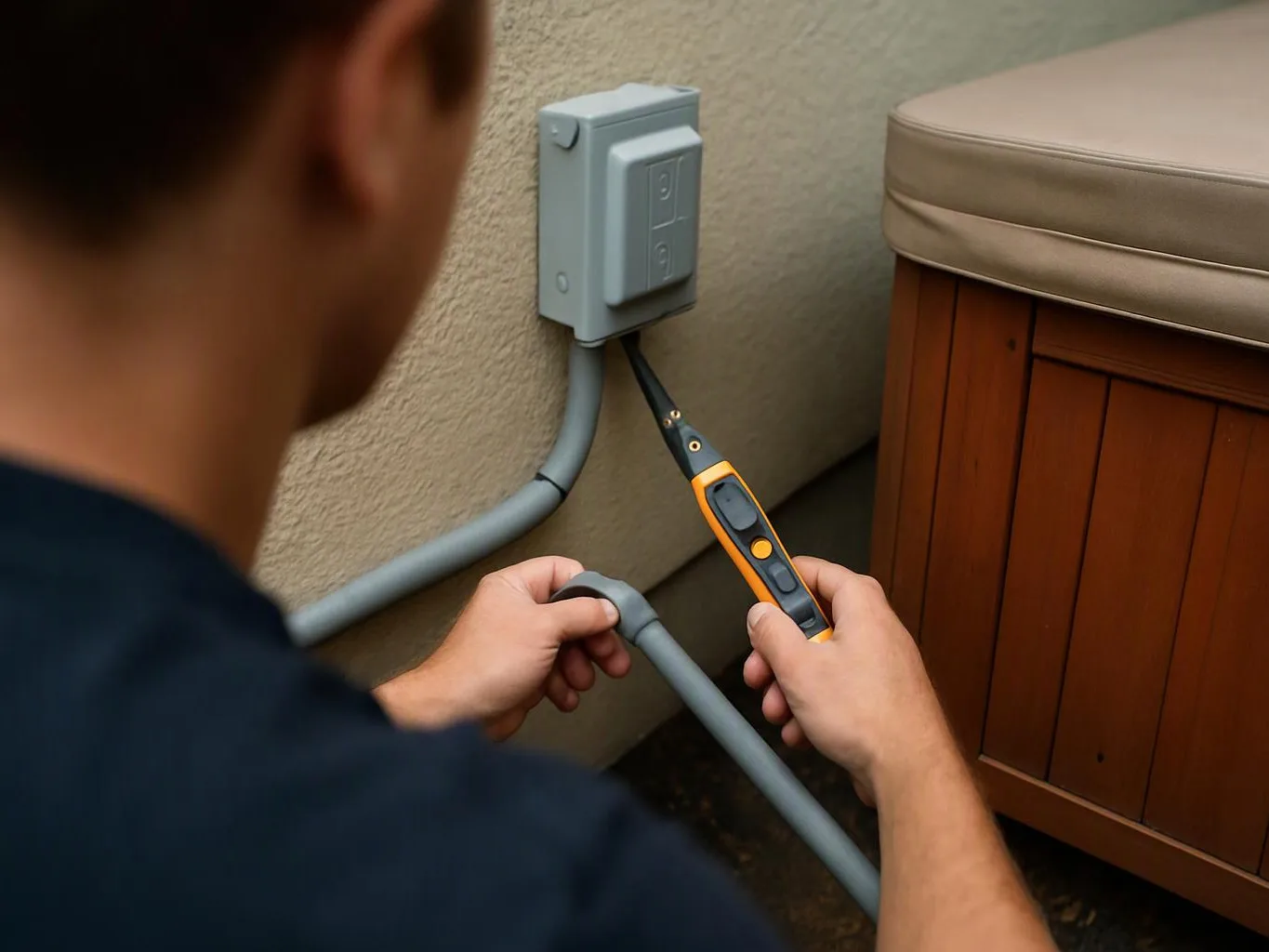
A person inspects gray conduit with a handheld tester beside an outdoor electrical box and wooden cabinet

Service Overview

Standalone home battery critical-load backup installation is an electrical service that connects a battery system to selected home circuits.

  • A battery backup supports chosen loads through dedicated control equipment, while a panel repair addresses an existing electrical fault.
  • Service Electric provides this work for homes in Edna and surrounding communities.

What selected-load battery backup changes at home

Selected circuits can receive stored power when the normal supply is unavailable.

A critical-load panel separates backed-up circuits from loads outside the plan.

A dedicated disconnect gives the system a clear point for isolation during service.

The equipment layout makes the backup system easier to understand and maintain.

A defined load plan helps prevent the project from being treated as an unsupported whole-home backup.

Process

How we install standalone home battery backup

1

Review the home electrical layout

We inspect the main panel and identify the circuits connected to the planned backup loads.

2

Plan the equipment connections

We set the locations and connection path for the inverter charger, battery cabinet, transfer switch, and critical-load panel.

3

Connect the backup equipment

We install the equipment and connect the selected circuits according to the approved work scope.

4

Test the completed system

We check the connections, isolate points, circuit operation, and backup path before explaining the system to the property owner.

How we approach standalone battery backup work

Load planning before equipment placement

The backup decision starts with the circuits, not the battery cabinet. We review the panel and intended loads before setting equipment locations, so the system scope matches the home's electrical layout.

Clear separation of backup circuits

The critical-load panel gives selected circuits their own point of connection. We explain which loads belong in the backup plan and which loads remain outside it.

A different job when the panel is faulty

Battery installation isn't the right first step when a buzzing panel, burning smell, or repeated breaker trip points to an active electrical fault. We address the electrical safety issue before planning backup equipment.

A situation this service fits

A homeowner in Edna may want battery power for selected refrigeration, lighting, or communication circuits during an outage. We would inspect the panel, trace the related circuits, check equipment placement, and define the backup scope before installation.

What standalone home battery backup installation includes

Service Electric provides comprehensive Standalone home battery critical-load backup installation in Edna. Here's what you get:

  • We inspect the main electrical panel and map the circuits tied to the backup plan.
  • We plan connections for the inverter charger and battery cabinet.
  • We install a transfer switch to control the backup power path.
  • We connect a critical-load panel for the selected home circuits.
  • We place a battery disconnect so the system can be isolated for service.
  • We test the installation and explain the equipment connections.

Backup equipment roles for a standalone home system

Each part has a different role in connecting selected home circuits to stored battery power.

EquipmentRole in the backup systemWhat we check
Inverter chargerManages stored battery power for connected circuitsSystem connection and planned load match
Transfer switchControls the normal and backup power pathConnection route and switching arrangement
Critical-load panelHolds the selected circuits for backupCircuit paths and available panel space
Battery disconnectProvides an isolation point for the battery systemLocation and access for service

The Service Electric Standard

  • Round-The-Clock Assistance
  • Pre-Work Inspection
  • Fault And Options Review
  • Safe Electrical Practices

Questions about standalone home battery backup installation

What equipment is needed for standalone home battery backup?

An inverter charger, battery cabinet, transfer switch, critical-load panel, and battery disconnect form the core equipment set. Service Electric matches those parts to the home's planned backup circuits. We also inspect the main panel and test the connection path after installation.

What does the crew look at first during a battery backup installation?

The main electrical panel is the first point we inspect during a battery backup installation. We identify the selected circuits, review available connection space, and trace the load paths. That information guides equipment placement and the critical-load panel plan.

What should be checked before the installation is scheduled?

The planned backup loads, main panel layout, equipment location, and circuit paths should be checked before scheduling. We use those details to define the work scope. Photos of the panel and a list of desired circuits can help us discuss the assessment.

Who is a good fit for standalone battery backup, and who needs another service?

Homeowners who need stored power for selected circuits are a good fit for standalone battery backup. A faulty panel, damaged wiring, or repeated breaker trip needs electrical diagnosis first. We identify that distinction during the panel and circuit review.

Which circuits belong in a critical-load panel?

The critical-load panel should contain the circuits the homeowner wants supported during an outage. We review the intended loads and trace their panel connections before adding them to the plan. The system doesn't automatically cover every circuit in the home.

How does a transfer switch fit into the battery system?

A transfer switch controls the connection between the normal supply and the backup power path. We connect it with the planned critical-load panel and test the switching arrangement. Its placement depends on the home's panel layout and the selected equipment.

Why does the battery location matter during installation?

The battery location affects cable routing, disconnect placement, equipment access, and the connection path to the panel. We review the proposed location before setting the installation scope. A practical location must support safe service access and the planned electrical connections.
Contact

Request a standalone home battery backup quote in Edna

Share your planned backup loads and panel details for a clear project discussion, and urgent requests get priority scheduling.

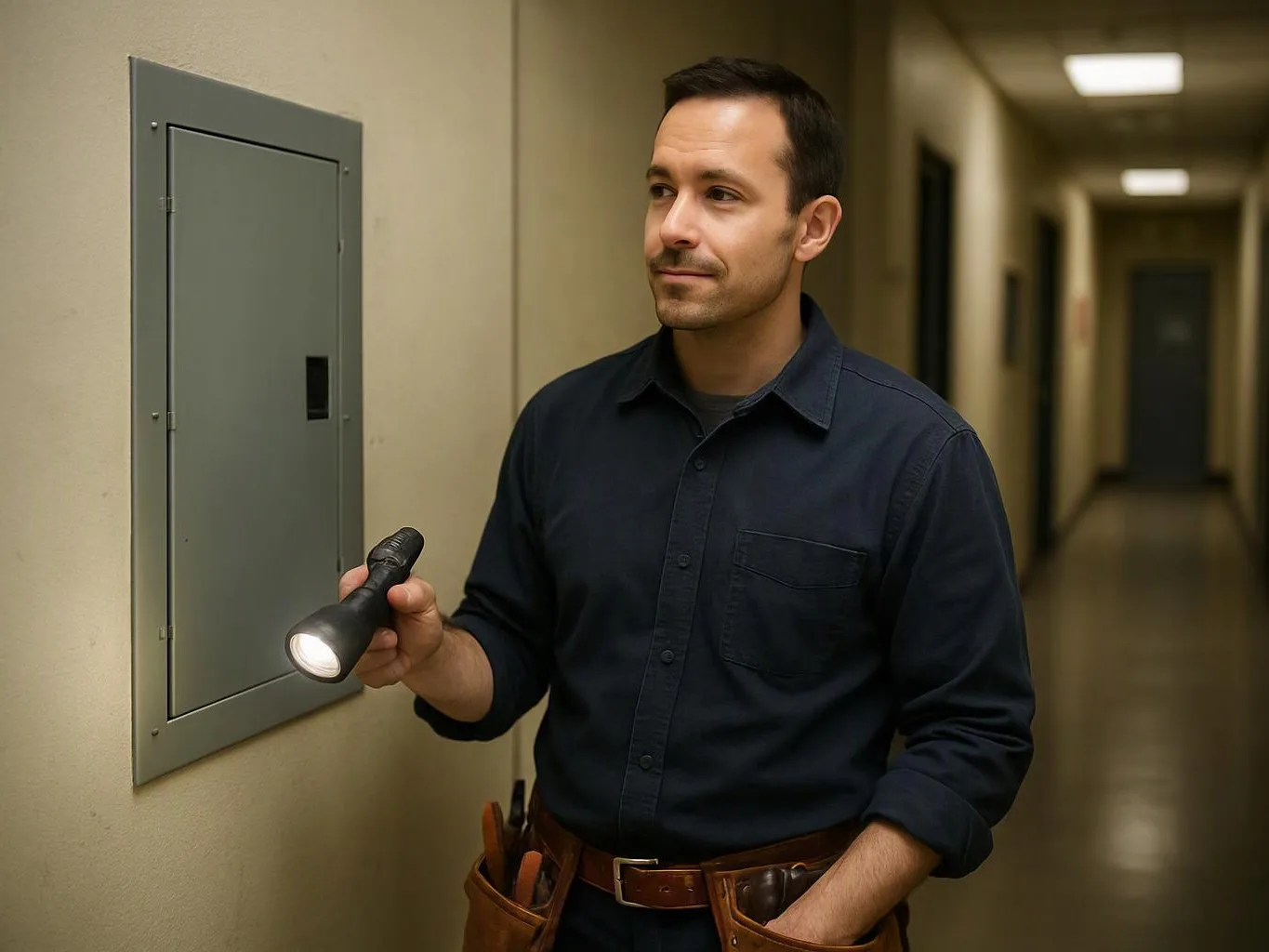
A man in a hallway holds a flashlight and looks at a gray wall panel

ZIP Codes We Serve in Edna, Texas

77957

Standalone home battery critical-load backup installation in Other Areas

(361) 405-6801