Skip to content

Standalone Home Battery Critical-Load Backup Installation in Inez, Texas

When grounding conductors need replacement instead of adjustment, the backup system needs a different scope in Inez. We check the path before installation.

Licensed & InsuredWarranty AvailableSame-Day ServiceUpfront, Transparent Pricing

Quick Summary: Standalone Home Battery Backup Installation in Inez, Texas

Standalone home battery critical-load backup installation in Inez is provided by Service Electric for homes that need selected circuits supported during outages. The work covers battery connection, critical-load wiring, grounding review, and electrical safety checks.

  • What we do: Service Electric installs standalone home battery critical-load backup systems for properties in Inez, Texas.
  • What is included: Battery connection, critical-load circuit planning, grounding review, island detection, overcurrent protection, and testing.
  • What you get: The completed system supports the selected critical-load circuits and includes verified safety controls.

Why can a standalone battery system shut down during an outage?

A standalone battery system can shut down when its protection controls detect unsafe grounding, excess current, heat, or poor ventilation. Service Electric checks these points during installation and testing. The system also needs island detection so it separates from the utility supply during an outage. A shutdown warning needs diagnosis before anyone resets the equipment.
Standalone Home Battery Backup Installation for Homes in Inez, Texas

Standalone home battery critical-load backup installation serves property owners who want selected home circuits supported during an outage. The job focuses on a battery system, a critical-load panel, safe circuit connections, and controls that keep utility power separate from stored power.

The main decision is which circuits belong on backup power and whether the existing electrical layout can support them. We inspect the panel, trace relevant circuits, and review the grounding path before we set the work scope.

This service does not replace every electrical repair. A damaged service entrance, unsafe panel, or unrelated wiring fault may need separate repair work before the battery installation can proceed.

  • Confirm which critical-load circuits need backup power.
  • Review the main panel and critical-load panel location.
  • Check grounding conductors and bonding points.
  • Verify island detection and overcurrent protection.
  • Plan testing for battery operation and circuit transfer.
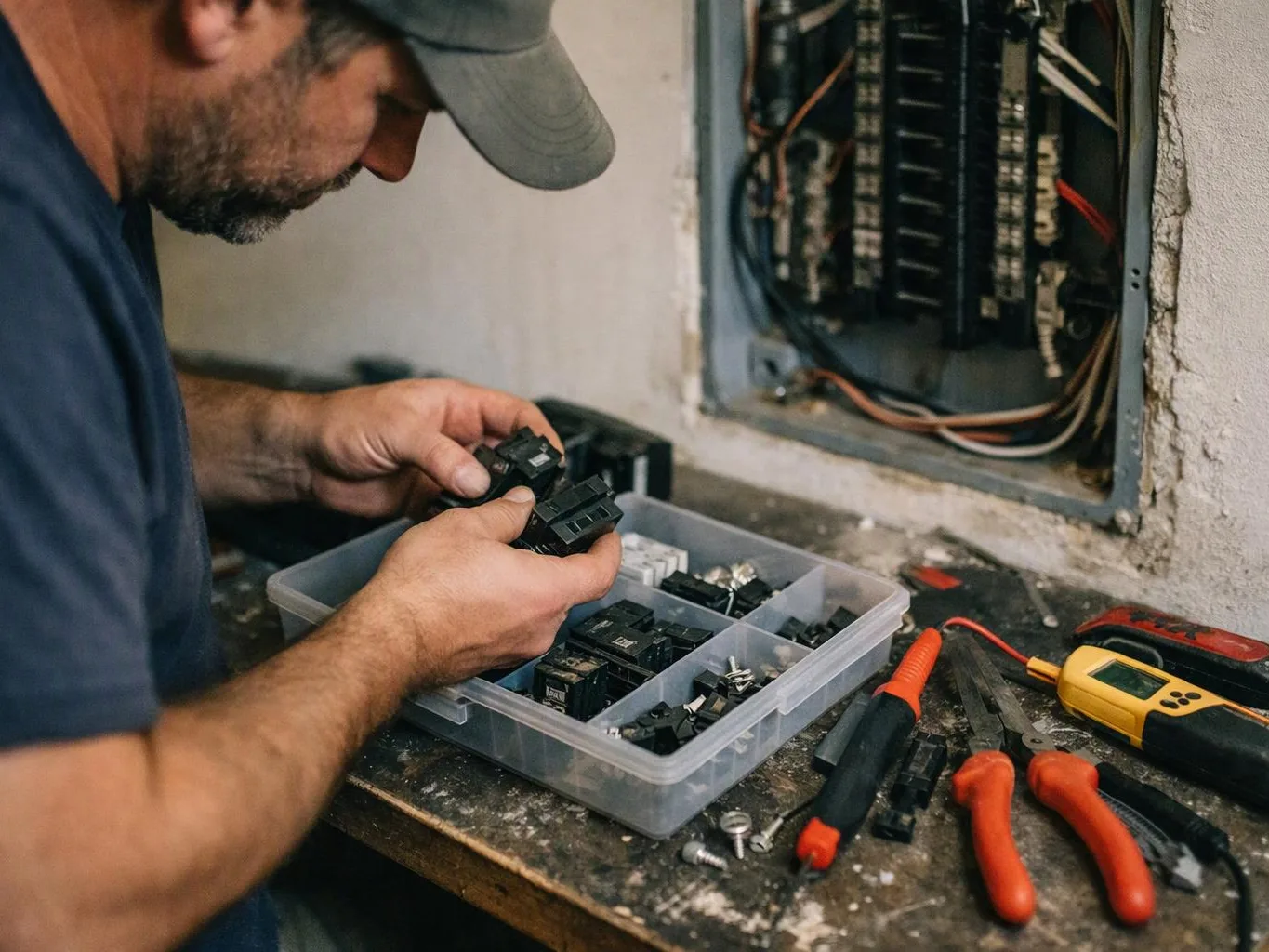
A man in a cap sorts electrical breakers at a cluttered workbench beside an open wall panel

Service Overview

Standalone home battery critical-load backup installation is an electrical service that connects a home battery to selected circuits for outage backup.

  • This work differs from generator installation because the battery stores power and uses controls to separate from the utility supply.
  • Service Electric provides this installation for homes in Inez.

What Standalone Home Battery Backup Installation Includes

Service Electric provides comprehensive Standalone home battery critical-load backup installation in Inez. Here's what you get:

  • We review the home electrical panel and identify the circuits planned for backup.
  • We inspect grounding conductors and determine whether they need adjustment or replacement.
  • We connect the battery system to the designated critical-load wiring.
  • We verify island detection so the backup system separates from utility power during an outage.
  • We check overcurrent protection, thermal monitoring, and enclosure ventilation.
  • We test the installation and explain the system's operating points.

How We Approach Standalone Home Battery Backup Work

Grounding scope comes first

Grounding conductors affect the safety path for the battery system. We decide whether adjustment or replacement fits the condition before setting the installation scope.

Protection controls get tested

Island detection, overcurrent protection, and thermal monitoring need more than a visual check. We test the controls that protect the battery and connected circuits.

Know when the service does not fit

A battery backup installation is the wrong job when the main problem is a utility outage, a damaged service entrance, or unsafe wiring that needs repair first.

A client scenario this service addresses

A homeowner planning battery backup may find that the existing grounding path needs a closer review before the battery is connected. We trace the relevant circuits, inspect the panel, and set the scope around safe critical-load operation. If the electrical system needs repair first, that work becomes part of the decision before installation proceeds.

Process

How We Complete Battery Critical-Load Backup Installation

1

Review the home electrical layout

We inspect the main panel, identify the planned critical-load circuits, and trace their current wiring.

2

Set the grounding scope

We check the grounding path and determine whether adjustment or replacement is needed for the planned battery connection.

3

Plan the battery connection

The agreed scope covers the battery connection, critical-load wiring, protection devices, and separation from utility power.

4

Install the protection controls

We connect and check island detection, overcurrent protection, thermal monitoring, and enclosure ventilation.

5

Test the backup system

We perform testing and verification, then explain the connected circuits and key operating points.

What This Battery Backup Installation Changes for Your Home

Selected critical-load circuits remain supported when utility power is unavailable.

A clear circuit plan helps prevent unsuitable loads from being placed on the battery.

Grounding and protection checks address safety points before the system is put into service.

Testing gives you a clearer view of how the backup system should operate.

The installation creates a defined path for future electrical service questions.

Battery Backup Scope Compared With Other Electrical Work

These options address different electrical needs, so the right choice depends on the problem and the desired result.

Electrical optionPrimary purposeWhat we review
Standalone battery backup installationSupports selected home circuits during outagesBattery connection, grounding, island detection, and critical-load wiring
Electrical repairCorrects a fault or unsafe conditionDamaged wiring, breaker issues, outlets, panels, or other electrical symptoms
Generator installationUses a fuel-powered generator for backup powerGenerator connection, transfer equipment, fuel needs, and related wiring

The Service Electric Standard

  • Round-The-Clock Assistance
  • Pre-Work Inspection
  • Fault And Options Review
  • Safe Electrical Practices

Questions About Standalone Home Battery Backup Installation

How is a standalone battery system protected during an outage?

Grounding conductors, island detection, and overcurrent protection help protect a standalone battery system during an outage. Service Electric checks the grounding path and confirms that the battery separates from utility power. We also review thermal monitoring and enclosure ventilation. Testing verifies that the selected critical-load circuits receive backup power through the planned connection.

What does the installation visit include from start to finish?

The installation visit includes an electrical review, circuit tracing, scope planning, battery connection, protection checks, and final testing. We begin with the main panel and planned critical-load circuits. Next, we address grounding and wiring needs. Testing and verification finish the work, followed by an explanation of the system's operating points.

Which part of the property decides the backup system scope?

The existing electrical panel and the location of the planned battery decide much of the backup system scope. Circuit paths, grounding connections, cable routes, protection devices, and enclosure ventilation also matter. We inspect these points before preparing the estimate. The planned critical-load circuits determine which parts of the home connect to backup power.

When does a home battery system fit a property?

A home battery system fits a property when selected circuits need backup and the electrical system can support a safe connection. We review the panel, grounding path, circuit layout, and proposed battery location. A damaged service entrance or unsafe wiring may require repair before battery installation. That review helps separate suitable backup work from unrelated electrical repairs.

Why would grounding work change the installation scope?

Grounding work changes the installation scope when the existing conductor path cannot support the planned battery connection safely. We inspect the conductor route, bonding points, and panel connections before choosing adjustment or replacement. The result affects materials, wiring steps, testing, and the estimate. We explain that scope before planned work begins.

How do I request a quote for this battery installation?

A quote starts with an assessment of the panel, critical-load circuits, battery location, grounding path, and protection needs. We use those findings to define the work and provide a free estimate. Photos and panel details can help begin the discussion, but the electrical layout still needs review before the scope is set.
Contact

Request a Standalone Home Battery Backup Installation Estimate in Inez

Start with a review of your panel, critical-load circuits, and grounding path, and urgent requests get priority scheduling.

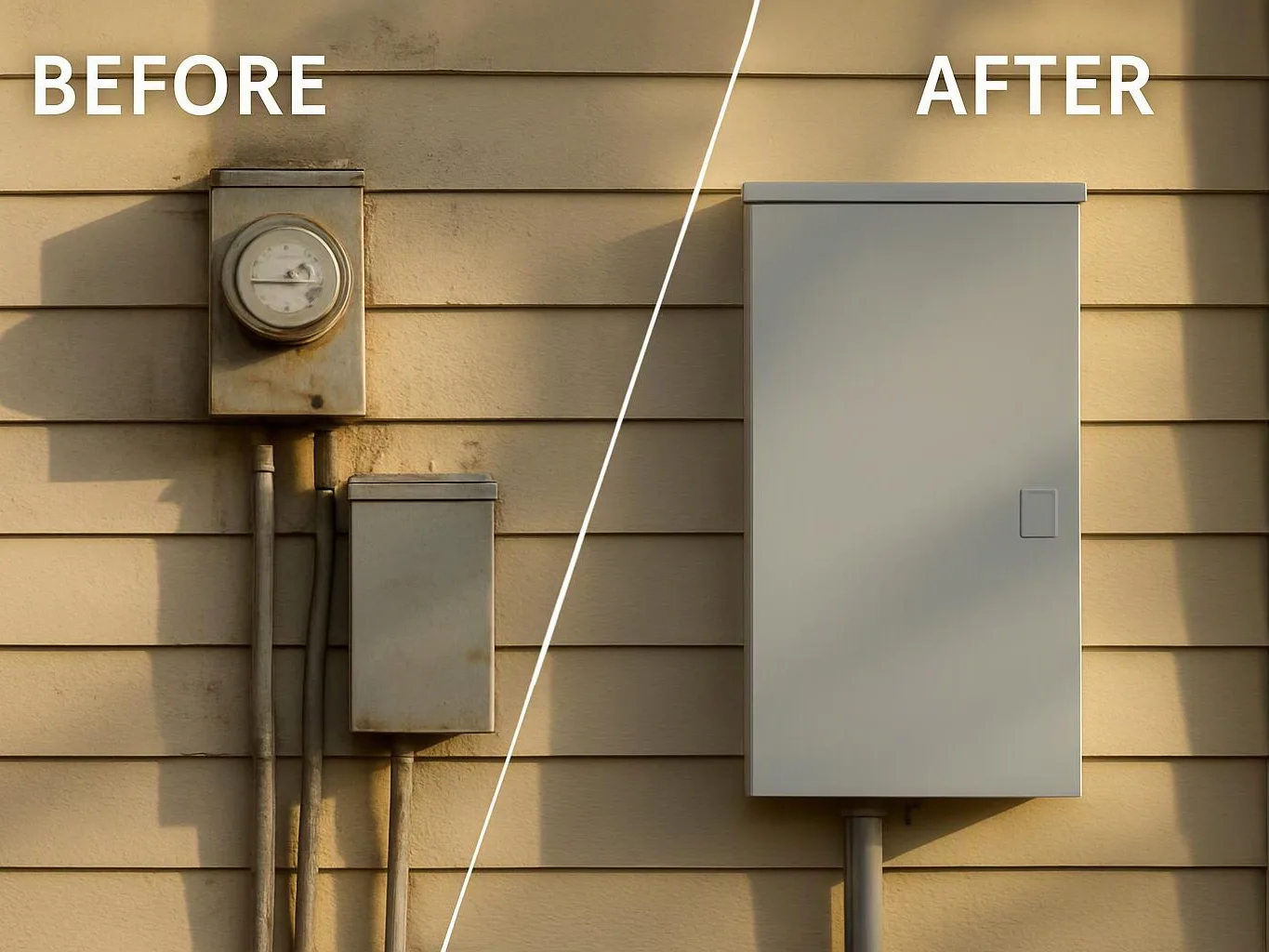
Split before-and-after view shows old wall-mounted utility boxes replaced by a clean gray electrical panel on siding

ZIP Codes We Serve in Inez, Texas

77968

Standalone home battery critical-load backup installation in Other Areas

(361) 405-6801