Skip to content

Standalone Home Battery Critical-Load Backup Installation in Placedo, Texas

Battery imbalance can shut down a home battery backup in Placedo. We check the battery, inverter, and critical-load setup before planning the installation.

Licensed & InsuredWarranty AvailableSame-Day ServiceUpfront, Transparent Pricing

Quick Summary: Standalone Battery Backup Installation in Placedo, Texas

Standalone home battery critical-load backup installation in Placedo is provided by Service Electric for homes that need backup power for selected circuits. The work includes battery, inverter, load, and electrical connection checks across Victoria County and nearby communities.

  • What we do: Service Electric installs standalone home battery critical-load backup systems for homes in Placedo, Texas, with checks for battery balance, inverter operation, load demand, and circuit connections.
  • What is included: Battery assessment, inverter checks, critical-load planning, electrical connection work, safety testing, and quote preparation.
  • What you get: The customer receives a connected backup system that supports selected home circuits and has been checked for safe operation.

Why can a standalone home battery backup shut down in Placedo, Texas?

Battery imbalance can shut down a standalone home battery backup. Low state, overload conditions, temperature faults, and inverter errors can also stop the system. We check these areas during the assessment, then explain whether the system needs installation work, correction, or a different electrical service.

Standalone Home Battery Critical-Load Backup Installation for Placedo Homes

Standalone battery backup installation gives a home stored power for selected circuits during an outage. The work focuses on critical-load planning, battery connection, inverter operation, and safe electrical testing.

The buyer's main decision is which circuits the system should support and whether the existing electrical layout can accept the equipment. We review the panel, wiring, grounding, load demand, and battery location before we set the work scope.

A standalone system is not the same as a whole-home generator installation. It also does not correct every electrical fault in a property. If the home has a buzzing panel, burning smell, sparking outlet, or repeated breaker trips, we address that safety issue before planning backup equipment.

  • Confirm which home circuits need backup power.
  • Check the service panel, grounding, wiring, and available load.
  • Review battery and inverter placement requirements.
  • Test the connected circuits after installation.
  • Request a quote based on the actual home layout.
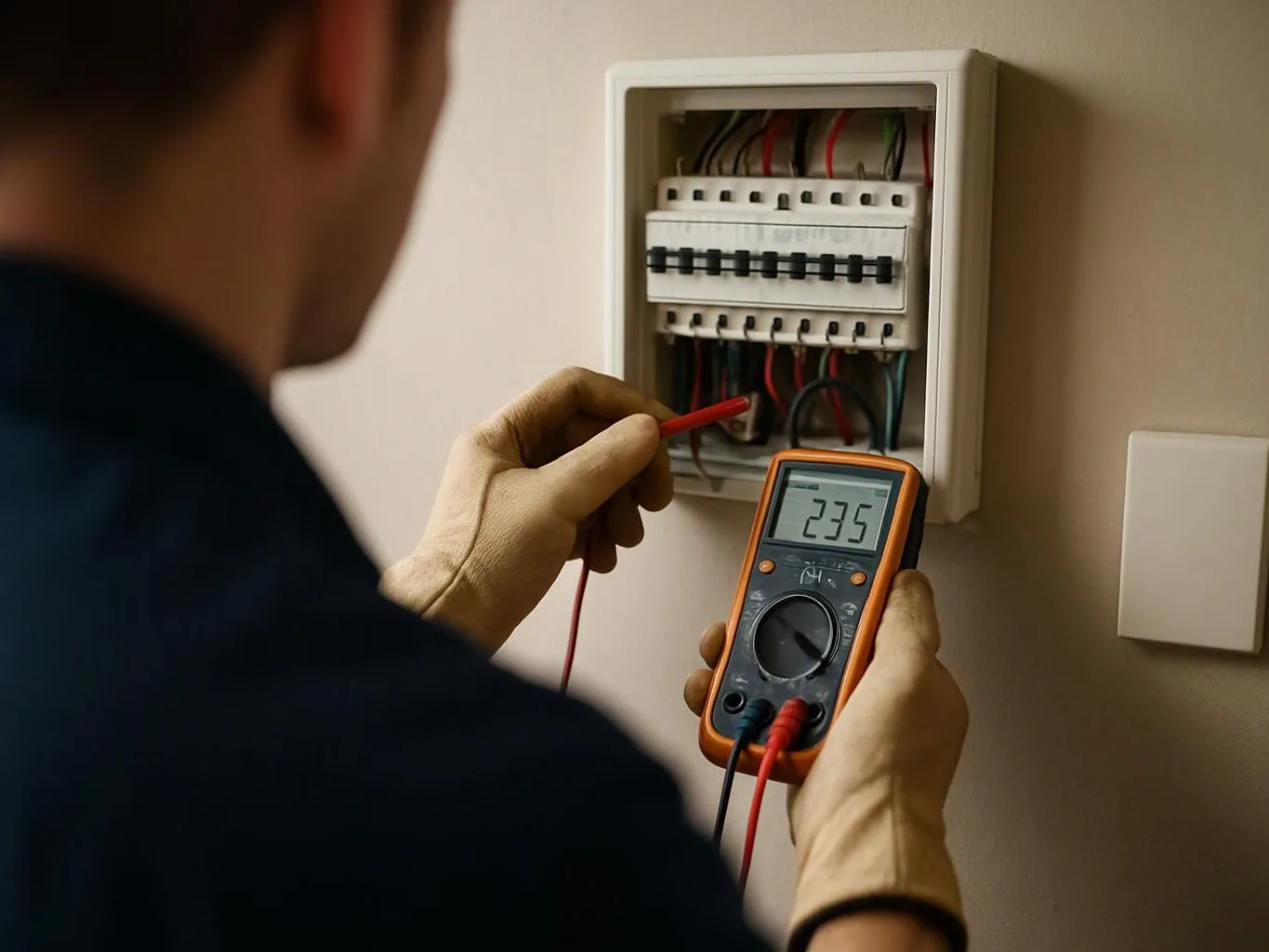
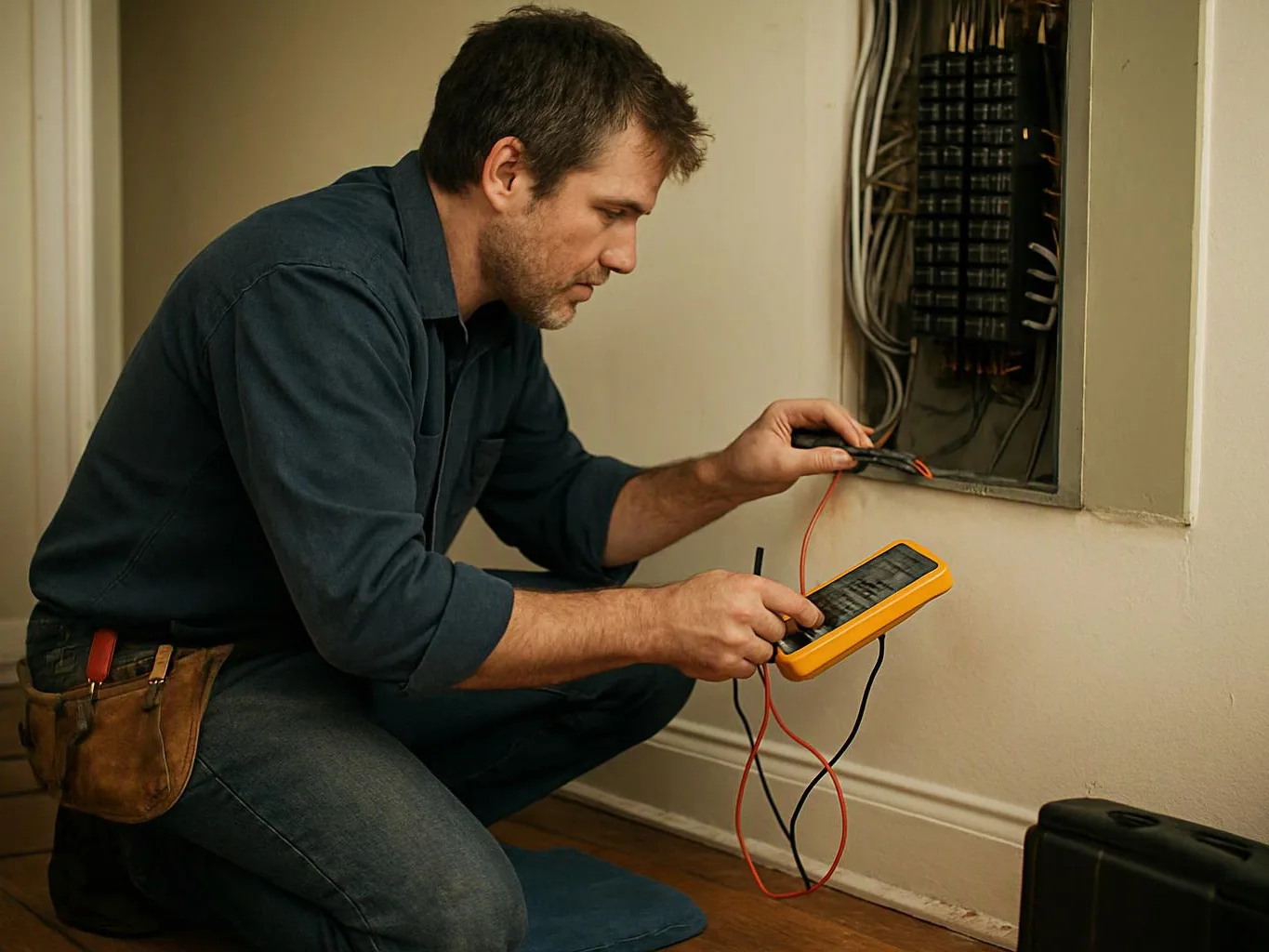
A person tests an open electrical panel with a multimeter, showing 235 on the display

Service Overview

Standalone home battery critical-load backup installation is a home electrical service that connects a battery system to selected circuits for outage backup.

  • This service supports chosen critical loads, while a whole-home generator or whole-home backup system serves a different scope.
  • Service Electric provides this installation for homes in Placedo and surrounding communities in Victoria County.

What Standalone Battery Backup Installation Includes

Service Electric provides comprehensive Standalone home battery critical-load backup installation in Placedo. Here's what you get:

  • We review the home's panel, wiring, grounding, and available electrical capacity.
  • We identify the circuits that need backup power during an outage.
  • We check battery and inverter connections for safe operation.
  • We plan the critical-load connection around the home's existing electrical layout.
  • We test the system and connected circuits after the installation work.
  • We explain the work scope and provide a quote before the job begins.

What Homeowners Gain From Critical-Load Battery Backup

Selected home circuits have stored backup power during an outage.

Critical-load planning keeps the system focused on the circuits that matter most.

Testing helps confirm that the battery, inverter, panel, and connected circuits work together.

A standalone system gives homeowners another backup option when whole-home coverage is not the goal.

How We Approach Standalone Battery Backup Work

Battery imbalance checks

Battery imbalance can point to a system fault or a charging problem. We check battery status and inverter operation before we set the installation scope.

Critical-load planning

The right circuit plan matters more than adding every load. We review the panel and household needs so the backup system matches the selected circuits.

When another service fits better

This service is the wrong job when the goal is whole-home generation, utility service repair, or correction of an active electrical hazard. We identify that limit before installation work begins.

Process

How We Install Standalone Supporting System Upgrades

1

Review the home electrical layout

We inspect the service panel, wiring, grounding, and available load. This review shows how the battery system can connect to the home.

2

Set the critical-load scope

We discuss the circuits you want supported during an outage. We then use the panel layout and load demand to define the backup connection.

3

Check battery and inverter connections

We review the battery location, inverter path, panel connection, and safety requirements before installation work starts.

4

Install the planned electrical connection

We complete the agreed installation work and connect the selected circuits within the defined backup scope.

5

Test system operation

We test the battery, inverter, panel connection, and critical-load circuits. We explain the result and any follow-up work that the system needs.

Backup Scope Choices for Homeowners

The right choice depends on the circuits you want supported and the type of backup system you need.

Backup optionWhat it supportsWhen it fits
Standalone battery backupSelected critical-load circuitsA home that needs stored backup power for chosen circuits
Whole-home generatorA broader home generation scopeA project planned around generator equipment and whole-home demand

The Service Electric Standard

  • Round-The-Clock Assistance
  • Pre-Work Inspection
  • Fault And Options Review
  • Safe Electrical Practices

Questions About Standalone Home Battery Backup Installation

What can cause a standalone home battery backup to shut down?

Battery imbalance can shut down a standalone home battery backup. Low state, overload conditions, temperature faults, and inverter errors can also stop operation. We check the battery status, inverter, connected loads, and electrical connections to identify the cause. The result determines whether the job needs installation work, a correction, or another electrical service.

What does the crew look at first during battery backup installation?

The electrical panel and planned critical-load circuits come first. We check panel condition, grounding, wiring, load demand, and the connection path to the inverter. This review shows whether the existing system fits the planned backup scope. We then explain any needed electrical work before installation begins.

What should be checked before battery backup installation is scheduled?

The home's panel, wiring, grounding, load demand, battery location, and inverter path should be checked first. We also need to know which circuits you want supported during an outage. These details shape the quote and show whether a panel repair or upgrade belongs in the work scope.

Who is a good fit for standalone battery backup installation?

Homeowners who want backup power for selected circuits are a good fit. We review the home electrical system and critical-load needs before setting the scope. Whole-home generation, utility service problems, and active electrical hazards need different work. We identify that difference during the assessment.

Which part of the job can change the quote?

The existing panel, wiring, grounding, circuit layout, battery connection, inverter path, and selected loads can change the quote. We inspect these parts before pricing the work. A quote reflects the actual property and agreed backup scope, not a generic installation description.

When does a battery fault need electrical service?

A battery fault needs electrical service when the system shuts down, the inverter shows an error, or connected circuits lose backup power. We check the battery connection, inverter, panel, and load path. A burning smell, buzzing panel, or sparking outlet needs prompt attention because it can signal an electrical fire risk.

How does this backup system differ from a whole-home generator?

A standalone battery system supports selected circuits, while a whole-home generator is planned for a wider generation scope. We help define the circuits and electrical work for the battery option. A generator installation needs its own equipment, fuel, transfer, and connection planning.

Contact

Request a Quote for Battery Backup Installation in Placedo

Get a clear quote for your selected backup circuits, and urgent requests get priority scheduling.

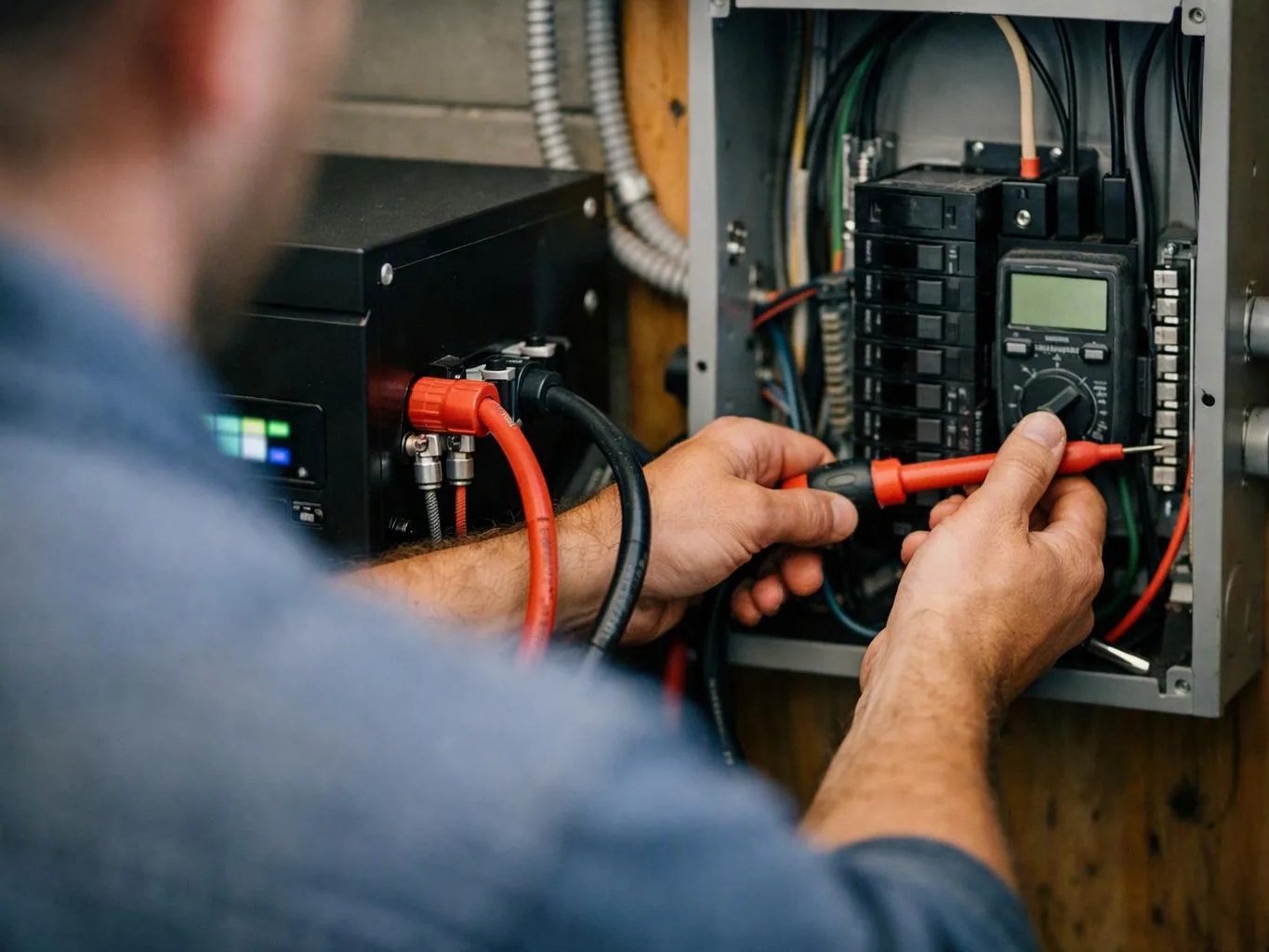
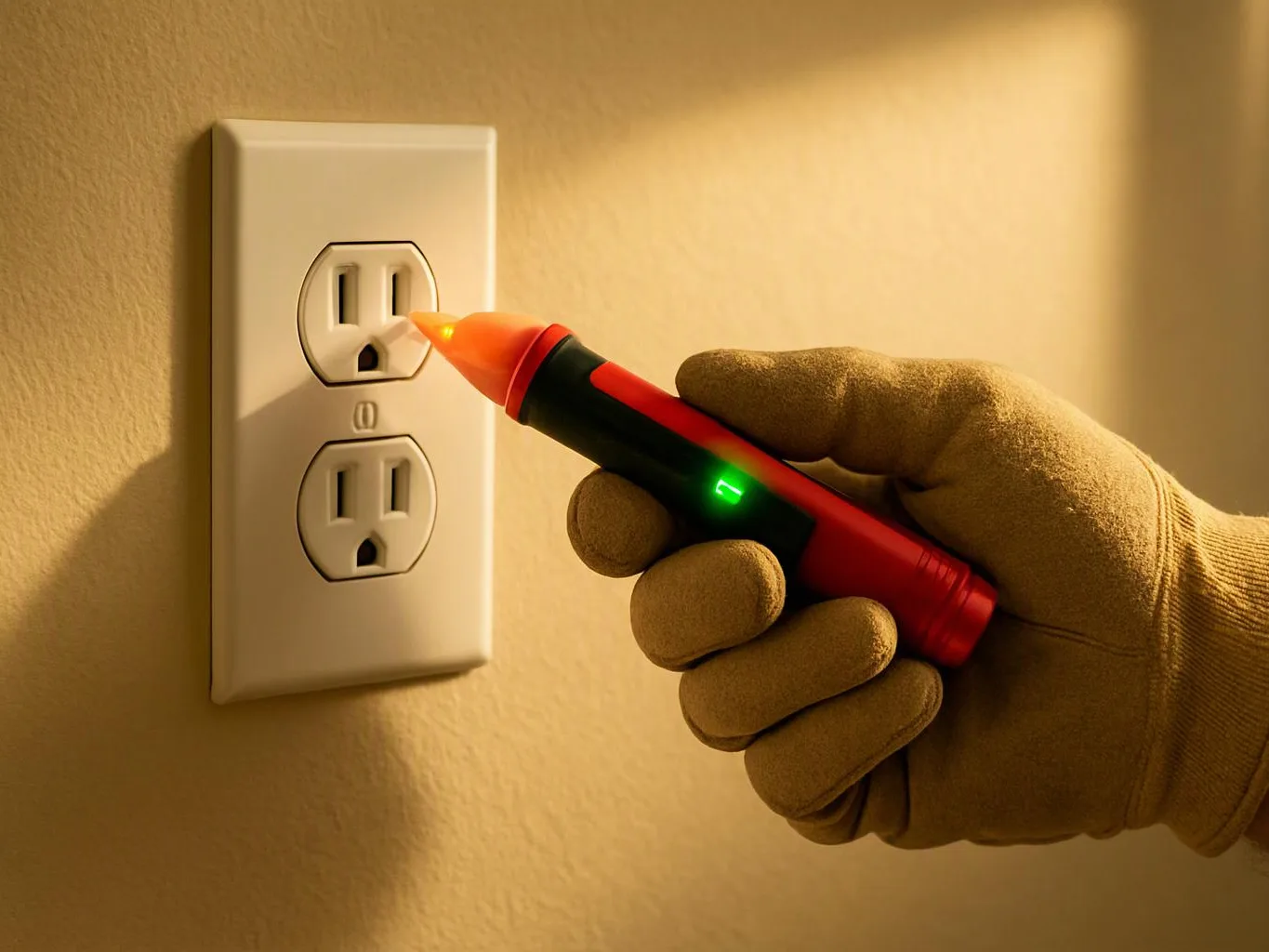
A technician tests an electrical panel with a red probe while wires and breakers fill the open cabinet

ZIP Codes We Serve in Placedo, Texas

77977

Standalone home battery critical-load backup installation in Other Areas

(361) 405-6801