Skip to content

Standalone Home Battery Critical-Load Backup Installation in Quail Creek, Texas

Refrigeration circuits need a safe load review before backup planning in Quail Creek. We connect selected household circuits to a standalone battery system and explain the work clearly.

Licensed & InsuredWarranty AvailableSame-Day ServiceUpfront, Transparent Pricing

Quick Summary: Standalone home battery backup in Quail Creek, Texas

Standalone home battery critical-load backup installation in Quail Creek is provided by Service Electric for selected household circuits during an outage. The work covers critical-load planning, panel review, circuit checks, and standalone battery connections for homes across the surrounding area.

  • What we do: Service Electric plans and installs standalone home battery critical-load backup systems for selected circuits in Quail Creek, Texas.
  • What is included: Critical-load selection, refrigeration circuit review, panel checks, circuit tracing, battery connection, and testing.
  • What you get: The customer receives a tested backup setup that supplies the chosen household circuits safely.

Why should refrigeration circuits connect to a standalone critical-load battery?

Refrigeration circuits are often considered critical loads because food storage depends on steady power. We check their circuit path, load demand, and panel connection before including them in the battery plan. The final selection should also match the household’s other needs and the battery system’s approved capacity.

Supporting Clients Across Quail Creek

This service fits homeowners who want backup power for selected circuits without treating every household load as essential. The work centers on circuit choice, load calculation, panel access, battery connection, and testing.

The key decision is which loads matter during an outage. Refrigeration circuits may support food storage, while lighting circuits, medical equipment, sump pumps, and communication devices may serve other household needs. We review the electrical layout and help set a practical critical-load scope.

A standalone battery does not remove the need for safe electrical design. Customers should expect us to check circuit paths, grounding, panel space, and the connection point before installation.

  • Identify the household circuits that need backup power.
  • Check the panel and trace the selected circuit paths.
  • Review load demand before setting the critical-load scope.
  • Connect the approved circuits to the standalone battery system.
  • Test the backup connection and verify circuit operation.
A man stands beside an open work van, holding a black hard case on a quiet street

Service Overview

Standalone home battery critical-load backup installation is an electrical service that connects selected household circuits to a battery for outage power.

  • Critical-load backup differs from whole-home backup because it supplies chosen circuits, such as refrigeration or lighting, instead of every load.
  • Service Electric provides this work for homes in Quail Creek and the surrounding area.

What standalone home battery backup installation includes

Service Electric provides comprehensive Standalone home battery critical-load backup installation in Quail Creek. Here's what you get:

  • We review the electrical panel and identify circuits that may suit critical-load backup.
  • We trace selected circuits, including refrigeration circuits, so the intended loads are clear.
  • We complete a load calculation for the circuits included in the backup plan.
  • We connect the approved critical-load circuits to the standalone battery system.
  • We test the connection and verify that the selected circuits operate as planned.

What selected-circuit battery backup changes for your home

Critical-load planning helps keep backup power focused on the circuits your household values most.

A circuit review helps separate essential loads from appliances that could drain the battery quickly.

Testing gives you a clear view of which circuits receive backup power.

A planned connection supports safer operation than adding household loads without checking demand.

The final scope gives you a practical choice between selected-circuit backup and broader system work.

Process

How we complete the home battery backup installation

1

List the critical household loads

We discuss which circuits matter during an outage, then record the requested loads for review.

2

Trace circuits at the panel

Our crew identifies the breakers and circuit paths tied to the selected household equipment.

3

Calculate the planned load

We review demand across the selected circuits before setting the battery backup scope.

4

Connect the approved circuits

We complete the battery connection for the circuits included in the agreed installation plan.

5

Test the backup operation

We test the selected circuits and check the finished connection for safe operation.

What you get from a careful critical-load battery plan

Circuit choice before connection

Customers get a circuit-by-circuit review before we connect the battery. That matters when refrigeration, lighting, or communication devices have different priorities.

Load review for real household use

We check how the selected loads work together, then use that information to set the backup scope. The plan should reflect actual household needs.

A defined limit for battery backup

Whole-home backup is the wrong job when the goal is only selected circuits. We explain that limit before work begins so the customer knows what will and will not receive battery power.

Selected-circuit backup and whole-home backup

The main difference is how much of the home receives battery power.

Backup optionWhat receives powerBest fit
Selected-circuit battery backupChosen household circuitsHomes focused on critical loads
Whole-home battery backupMost or all household circuitsHomes seeking broader backup coverage

The Service Electric Standard

  • Round-The-Clock Assistance
  • Pre-Work Inspection
  • Fault And Options Review
  • Safe Electrical Practices

Questions about standalone home battery backup installation

Which household circuits should connect to a standalone critical-load battery?

Refrigeration circuits should connect when food storage is a household priority and the load fits the backup plan. Service Electric also reviews lighting circuits, medical equipment, sump pumps, and communication devices. We trace each circuit, check its demand, and set the scope around the customer’s actual needs.

How does a battery backup visit move from the first call to the last step?

The visit moves from load selection to circuit tracing, load review, connection, and testing. Customers identify essential equipment first. We then inspect the panel, confirm circuit paths, connect the approved loads, and verify operation. The final scope shows which circuits receive battery power.

How can a customer tell whether battery backup fits the property?

Battery backup fits when selected household circuits can be identified and connected safely through the existing electrical system. We review panel space, circuit paths, grounding, and load demand. Customers should also decide which equipment matters during an outage before requesting the assessment.

Which part of the property decides the installation scope?

The electrical panel and connected circuit paths decide much of the installation scope. Panel space, grounding, circuit access, and selected load demand shape the work. We inspect those points before quoting the connection, so the plan matches the home’s actual wiring.

What should I provide before requesting a battery backup quote?

A list of essential appliances and devices gives us the best starting information. Include the refrigerator, lights, medical equipment, sump pump, or communication devices you want considered. We’ll use that list with the panel review and circuit tracing to define the assessment.

When is whole-home backup a poor fit for this request?

Whole-home backup is a poor fit when the goal is limited to selected circuits. A critical-load system focuses battery power on chosen equipment and leaves other loads outside the plan. We explain that boundary before connecting the system, so expectations match the finished installation.

Why might a refrigerator share a circuit with another load?

A refrigerator may share a circuit with another household load, which can change the backup plan. We trace the circuit and check its connected demand before including it. Customers should not assume one appliance equals one dedicated circuit without a panel and wiring review.


Standalone home battery critical-load backup installation in Other Areas

Contact

Request a quote for home battery critical-load backup

Get a quote for selected-circuit battery backup in Quail Creek, and urgent requests get priority scheduling.

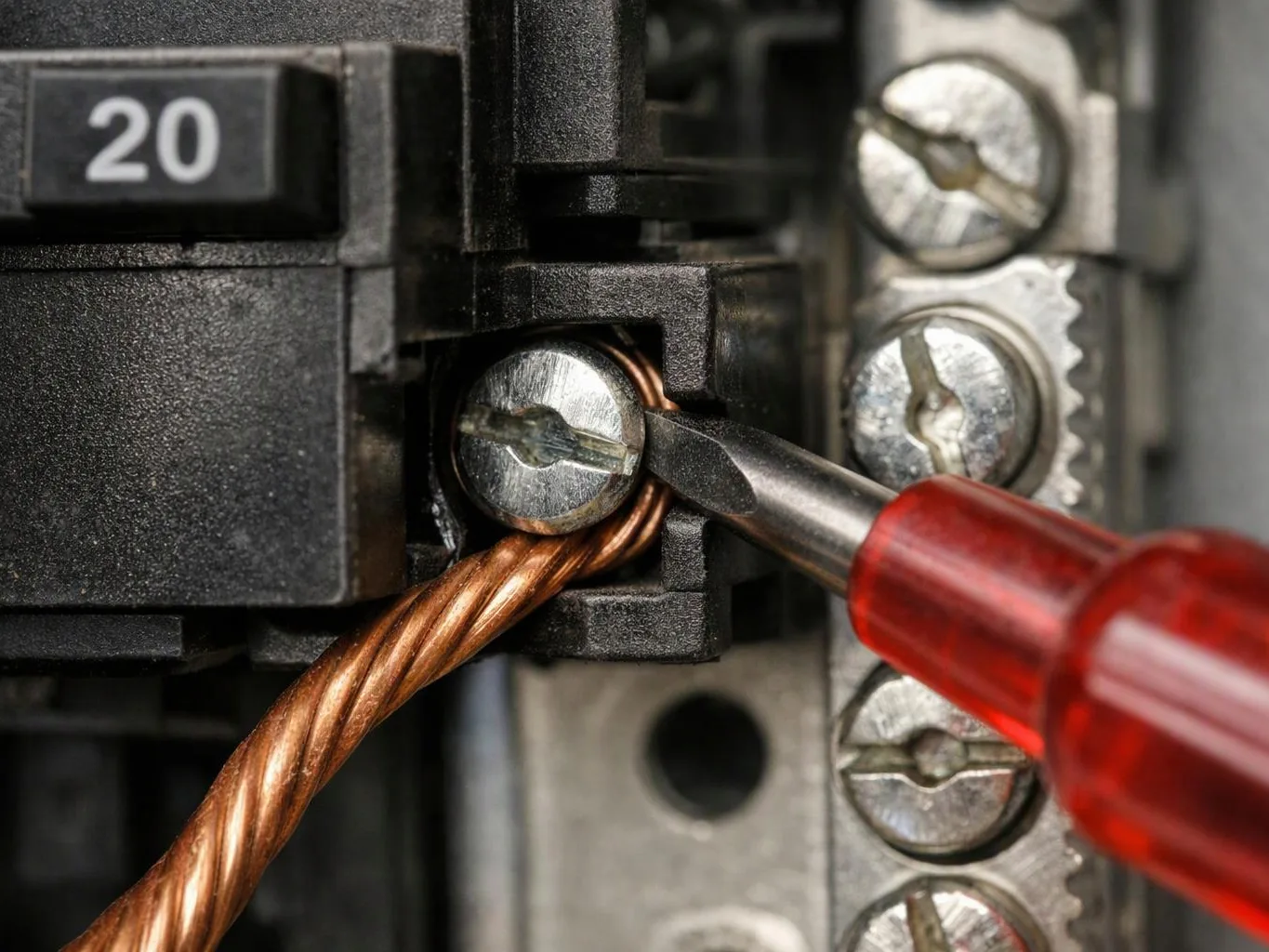
A red-handled screwdriver tightens a screw on a copper wire inside an electrical panel
(361) 405-6801