What to Expect During a 24-Hour Electrical Service Call
A 24-hour electrical service call with Service Electric begins with safety questions and problem details, continues with electrical troubleshooting and an inspection, and ends with repair options, pricing information, and clear next steps.
Request an EstimateWhat Happens When You Contact Service Electric?
Contacting Service Electric starts the service call with questions about the electrical problem, immediate safety concerns, property access, and the work area. We use those details to decide what information our crew needs before beginning emergency electrical repair or electrical troubleshooting.
Tell us what happened, which areas are affected, and whether you noticed a burning smell, sparks, smoke, or exposed wires. If the issue involves a power outage or another electrical hazard, we use that information to plan the initial electrical hazard assessment.
You can also explain whether the problem involves an appliance, outlet, switch, circuit breaker, or electrical panel. Clear customer communication helps us focus the inspection and protect people in the affected area.
How Should You Prepare Before Electrical Service Arrives?
Preparing for electrical service means protecting people from hazards, preserving useful information, and making the affected electrical equipment accessible without attempting unsafe repairs. Our team can work more carefully when the work area is clear and the problem details are ready.
You may check information that is safely visible from outside electrical equipment. We handle testing, internal inspection, and repairs that require contact with energized or damaged components.
What Does the Initial Electrical Safety Check Cover?
The initial electrical safety check identifies immediate shock, fire, and equipment hazards before electrical troubleshooting or repair begins. We inspect the reported area and look for conditions that could make testing or power restoration unsafe.
Our electrical safety inspection considers signs such as a burning smell, sparks, heat, smoke, exposed wiring, damaged covers, water near electrical equipment, and unusual sounds. We also assess whether a power outage affects one circuit, part of the property, or the wider electrical system.
If we find an immediate electrical hazard, we explain the safety steps that apply to the area. We then decide whether troubleshooting can continue, whether power should remain off, or whether temporary safety measures are needed.
How Does Electrical Troubleshooting Identify the Problem?
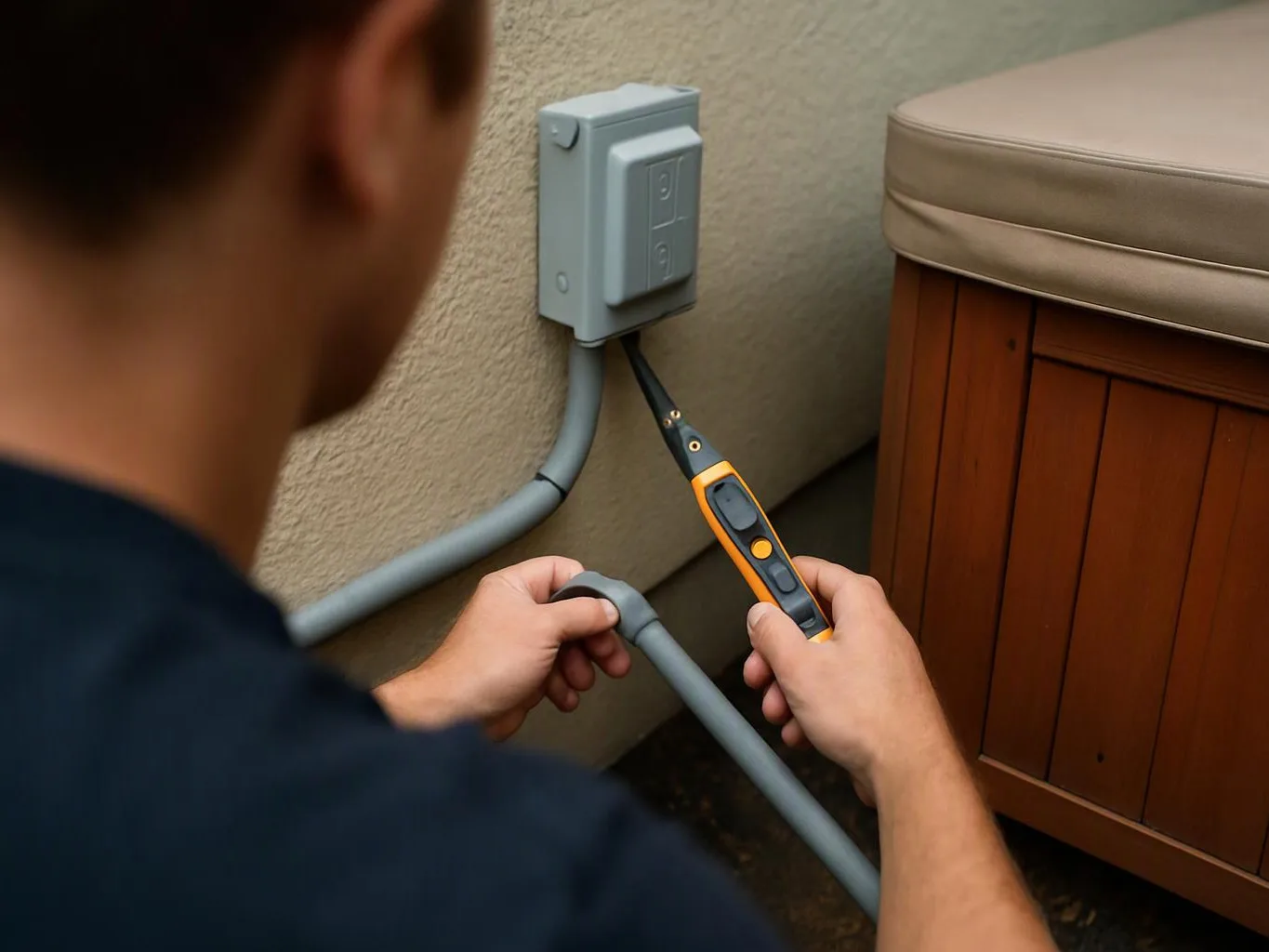
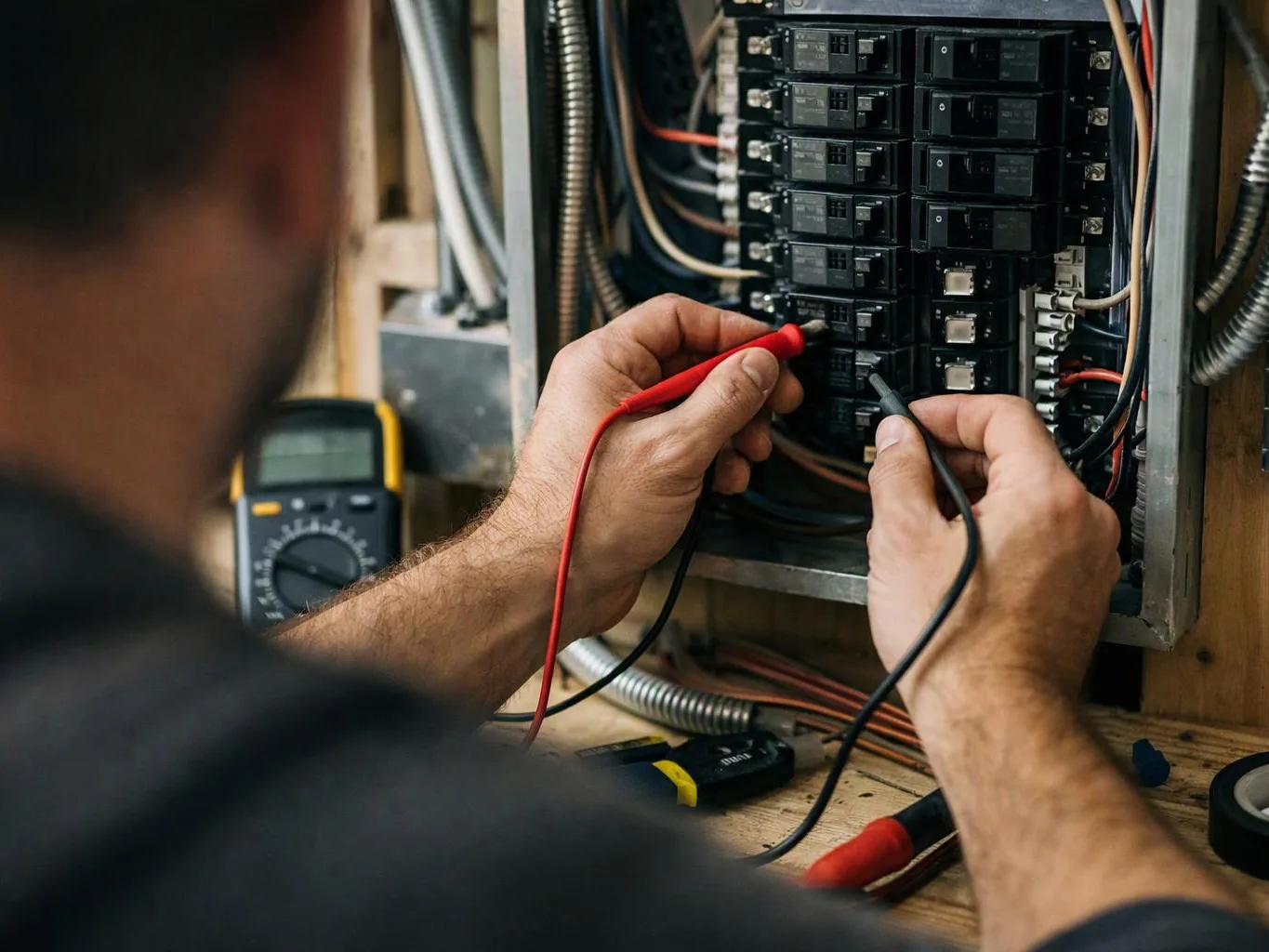
Electrical troubleshooting traces the reported symptom through the affected circuit and related components to identify the source of the fault. We use circuit diagnosis and voltage testing to connect the visible symptom with the failed part or wiring condition.
Our team checks relevant components such as the circuit breaker, fuse, outlet, switch, wiring, junction box, and electrical panel. A tripped breaker may be the result of an overload, a short circuit, a damaged appliance, or another fault farther along the circuit.
Testing helps us separate a failed device from an electrical wiring problem. We explain what the inspection shows before recommending emergency electrical repair, power restoration, or additional work.
What Repair Options May Be Discussed After the Inspection?
Repair options depend on the failed component, the safety risk, the condition of the wiring, and whether the electrical system needs immediate restoration or further work. We explain the recommended repair and the reason for it before seeking repair authorization.
When the issue involves Emergency Electrical Repair, we explain whether the work addresses the immediate hazard, restores safe operation, or requires follow-up electrical work.
What Determines the Scope and Cost of the Electrical Work?
The scope and cost of electrical work depend on the fault location, required parts, access conditions, wiring condition, and work needed to restore safe operation; Service Electric explains the recommended work and quote before proceeding.
A fault that is easy to access may require different work from a fault inside a wall, ceiling, junction box, or electrical panel. Replacement parts, damaged wiring, and electrical code requirements can also change the repair scope.
Our estimate explains the diagnosis, planned repair, materials, access needs, and any follow-up work that may be required. We discuss the pricing explanation with you before work begins so the repair authorization matches the agreed scope.
Repair time also depends on the fault location, access, replacement parts, wiring condition, and any additional work needed for safe operation. We describe the expected next steps after inspecting the system instead of promising a fixed repair duration before diagnosis.
How Can You Keep the Electrical Service Call Safe and Efficient?
Keeping the service call safe and efficient requires following electrical safety instructions, providing accurate problem details, clearing access to affected equipment, and confirming the repair plan. We use customer communication throughout the visit to keep decisions clear.
Keep people away from the work area and tell us about any changes after the original call. Do not move damaged equipment, reset a breaker repeatedly, or touch exposed wiring unless our team gives you a specific safe instruction.
Clear a path to the electrical panel and affected areas without entering an unsafe space. We protect the property while accessing equipment and explain what we need before beginning testing or repair.
Before work starts, we review the diagnosis, repair scope, replacement parts, pricing explanation, and repair authorization. This gives you a clear opportunity to ask questions and confirm the plan.
What Should You Ask Before Electrical Repair Begins?
Before electrical repair begins, ask what caused the fault, what repair is recommended, and what work the authorization includes. Our team will explain the diagnosis in plain language and connect the recommended work to the safety concern.
These questions help you understand the difference between temporary safety measures and permanent repair. We answer them before proceeding with the approved work.
What Happens After the Emergency Electrical Repair?
After emergency electrical repair, the repaired system is checked for safe operation and the customer receives information about the completed work and any remaining electrical concerns. We complete repair verification before treating the affected equipment as ready for normal use.
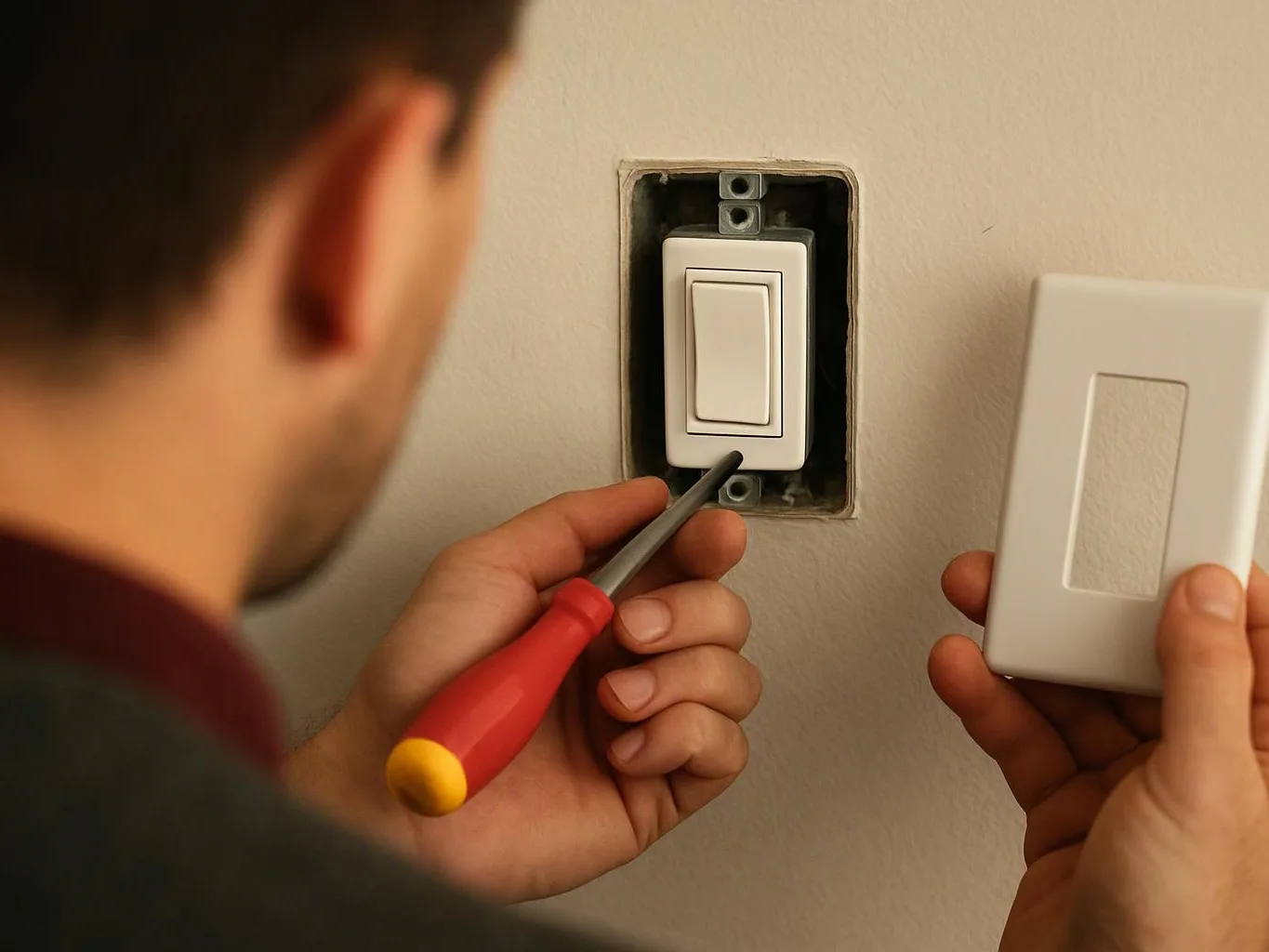
Our team performs electrical testing related to the repair and checks that the affected circuit, outlet, switch, breaker, or panel operates as intended. We also look for signs that could point to a remaining electrical fault.
We explain what was repaired, what you should watch for, and whether follow-up service is recommended. Customer instructions may include keeping equipment off, avoiding a damaged outlet, or arranging additional work for a broader wiring issue.
When the repair supports power restoration, we confirm the conditions for safe operation and explain any limits that remain. Service Electric keeps the next steps clear so you know how to use the repaired system safely.
Questions About a 24-Hour Electrical Service Call
What should I do if I smell burning during an electrical emergency?
Service Electric recommends moving people away from the area, avoiding contact with the affected equipment, and calling for emergency electrical service. If you can safely do so without entering a hazardous area, stop using the affected circuit; do not investigate a burning smell by removing covers or touching wiring.
Can I reset a tripped circuit breaker before the electrical service call?
Yes, you can reset a tripped circuit breaker only when there are no signs of smoke, heat, sparks, burning smell, water, or damaged equipment and the panel can be reached safely. Do not keep resetting the breaker if it trips again; leave the circuit off and tell our team what happened.
What information should I give the electrician about an electrical problem?
Give us the affected area, what stopped working, when the problem began, and any signs such as a tripped breaker, sparks, burning smell, noise, heat, or exposed wiring. Tell us whether an appliance was connected and whether the issue affects an outlet, switch, circuit, panel, or the wider power supply.
Should I turn off the power before emergency electrical service arrives?
Turn off power only when you can reach the correct disconnect or breaker without entering an unsafe area and without touching damaged equipment. Leave the power on if reaching the panel creates a shock hazard, and follow the safety instructions we provide during the call.
What happens if the electrical problem cannot be repaired during the first visit?
If the electrical problem cannot be repaired during the first visit, we explain the remaining fault, temporary safety measures, required replacement parts, access needs, and follow-up electrical work. We provide the next repair steps and update the work scope before additional work proceeds.
Contact Service Electric for clear safety guidance, electrical troubleshooting, repair planning, and next steps for your electrical emergency.
Related Resources
Emergency Electrician Cost Factors: What Affects 24-Hour Electrical Repair Pricing
What to AvoidEmergency Electrical Repair Mistakes: What Not to Do During a Power Problem
When You Need ItElectrical Safety Before and After Severe Weather or Water Damage
What It SolvesGenerator Repair, Transfer Switches, and Home Backup Planning