
What Is Battery Energy Storage?
Battery Energy Storage is a power system that stores electricity in rechargeable batteries and releases that energy when needed. The system connects to a building’s electrical equipment through power conversion and control equipment. Home installations can supply selected critical circuits during an outage, helping keep essential loads operating when utility power is unavailable.
Quick Facts About Battery Energy Storage
Category
Electrical energy storage system
Used for
Backup power and energy management
Common confusion
It does not generate electricity
Also called
Home Battery, Battery Energy Storage System
Often discussed with
Standalone home battery critical-load backup installation
Key Takeaways About Battery Energy Storage
- Battery Energy Storage stores electricity instead of generating it.
- A critical-loads panel directs backup power to selected circuits.
- Battery backup is not the same as a portable power bank.
How Battery Energy Storage Works
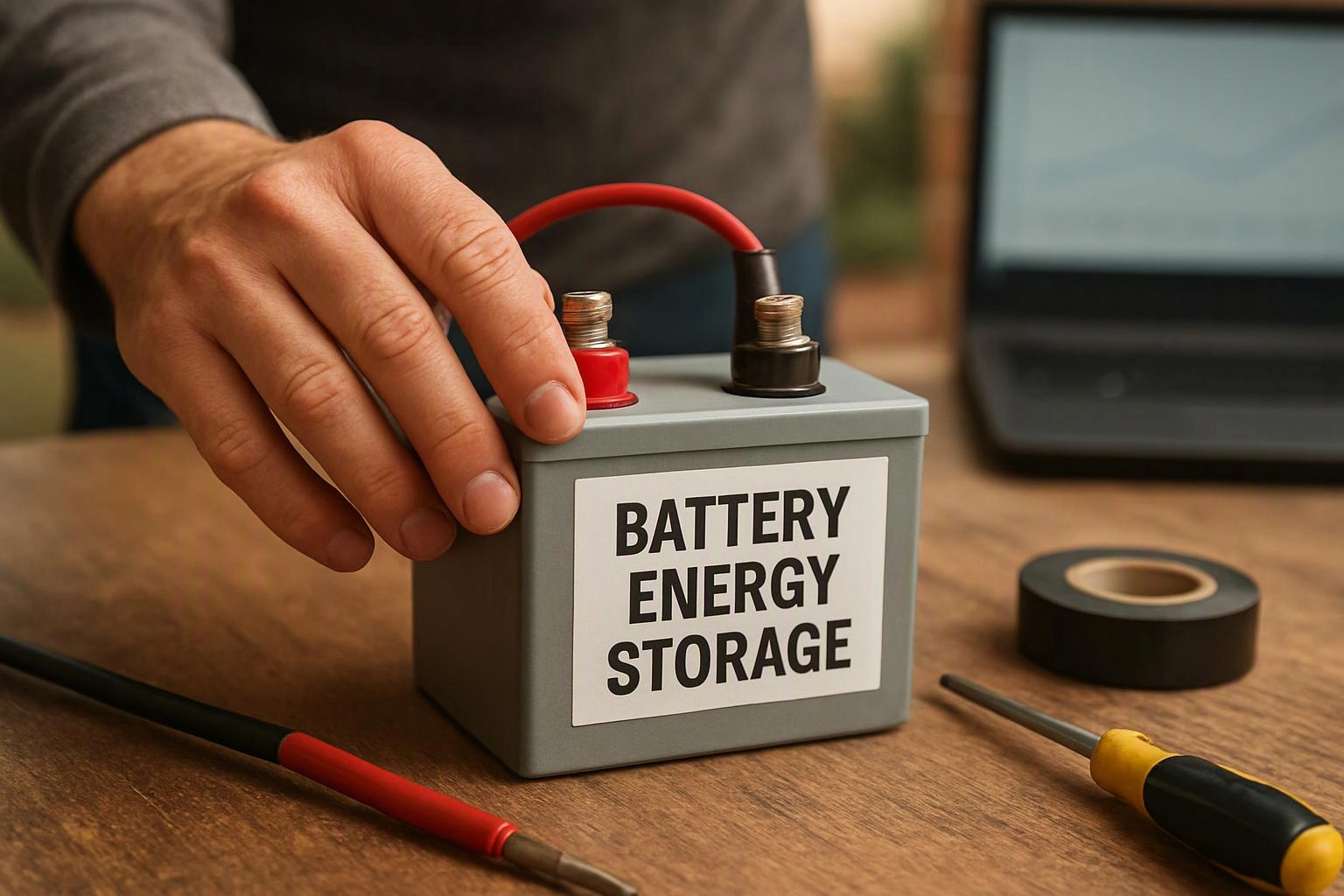
Battery Energy Storage receives electrical energy and holds that energy in rechargeable cells. An inverter changes the stored direct current into alternating current for household circuits. Control equipment manages charging, discharge, and the connection between the battery system and the home electrical system.
Related glossary terms: Critical Loads Panel, Bidirectional Inverter, Transfer Switch.
During an outage, a critical-loads panel separates selected circuits from the utility supply. The battery then sends power to those circuits through the inverter. A bidirectional inverter can move energy in both directions, allowing the battery to charge from an approved power source and discharge to the home. The system’s usable capacity describes how much energy it can deliver, while its power rating describes how much electrical demand it can support at one time.
From the Service Electric team
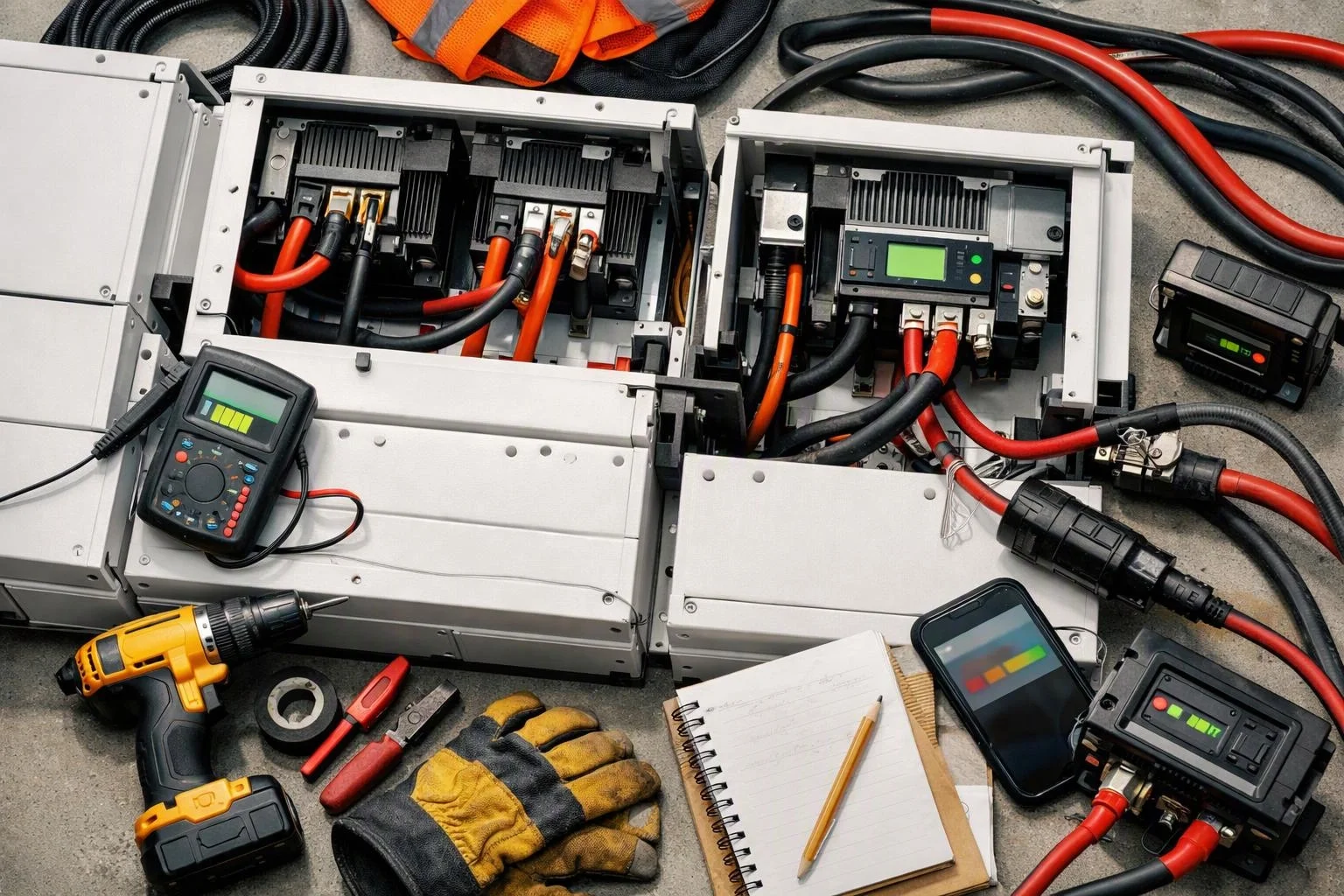
When we handle a standalone home battery critical-load backup installation, we review the service equipment, panel arrangement, grounding, and selected circuits. We check that the transfer and control equipment prevents unsafe backfeed and that the battery system matches the home’s intended critical loads.
Battery Energy Storage in Practice: A Real-World Example
A Victoria, Texas home may connect refrigeration, selected lighting, internet equipment, and a medical-support circuit to a critical-loads panel. During an outage, Battery Energy Storage supplies those circuits while larger nonessential loads remain disconnected.
Related Terms
Critical Loads Panel
A Critical Loads Panel is a separate electrical panel that supplies selected circuits during a utility…
Bidirectional Inverter
A bidirectional inverter is a power-conversion device that moves electrical energy in either direction between direct-current…
Transfer Switch
A Transfer Switch is an electrical switching device that connects selected building circuits to an alternate…
Electrical Load
Electrical Load is the amount of power that connected devices and equipment draw from an electrical…
Service Electric
Have Questions About Battery Energy Storage?
Contact Service Electric for practical guidance on Battery Energy Storage and related 24 hour electrician work in Victoria.