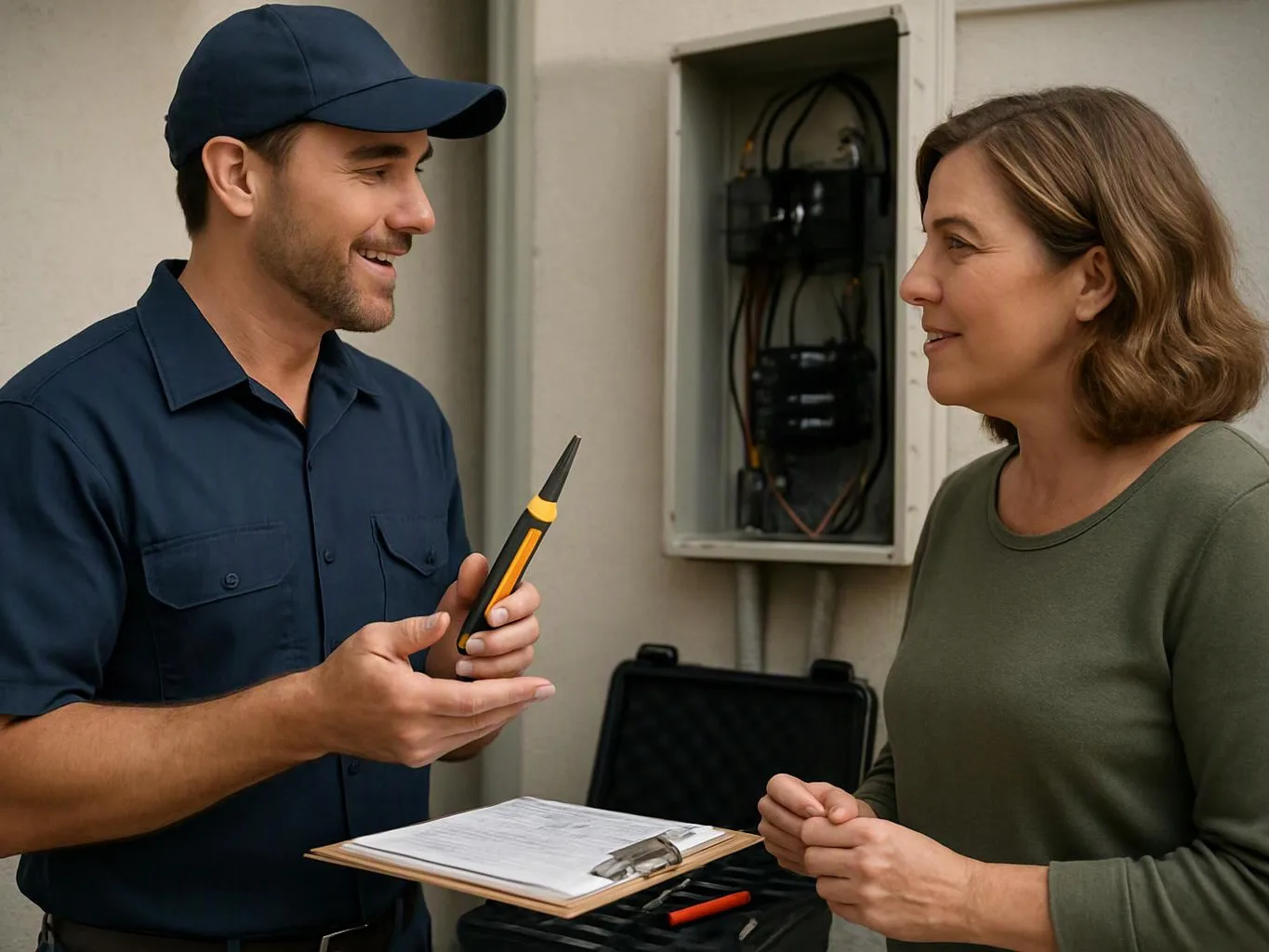
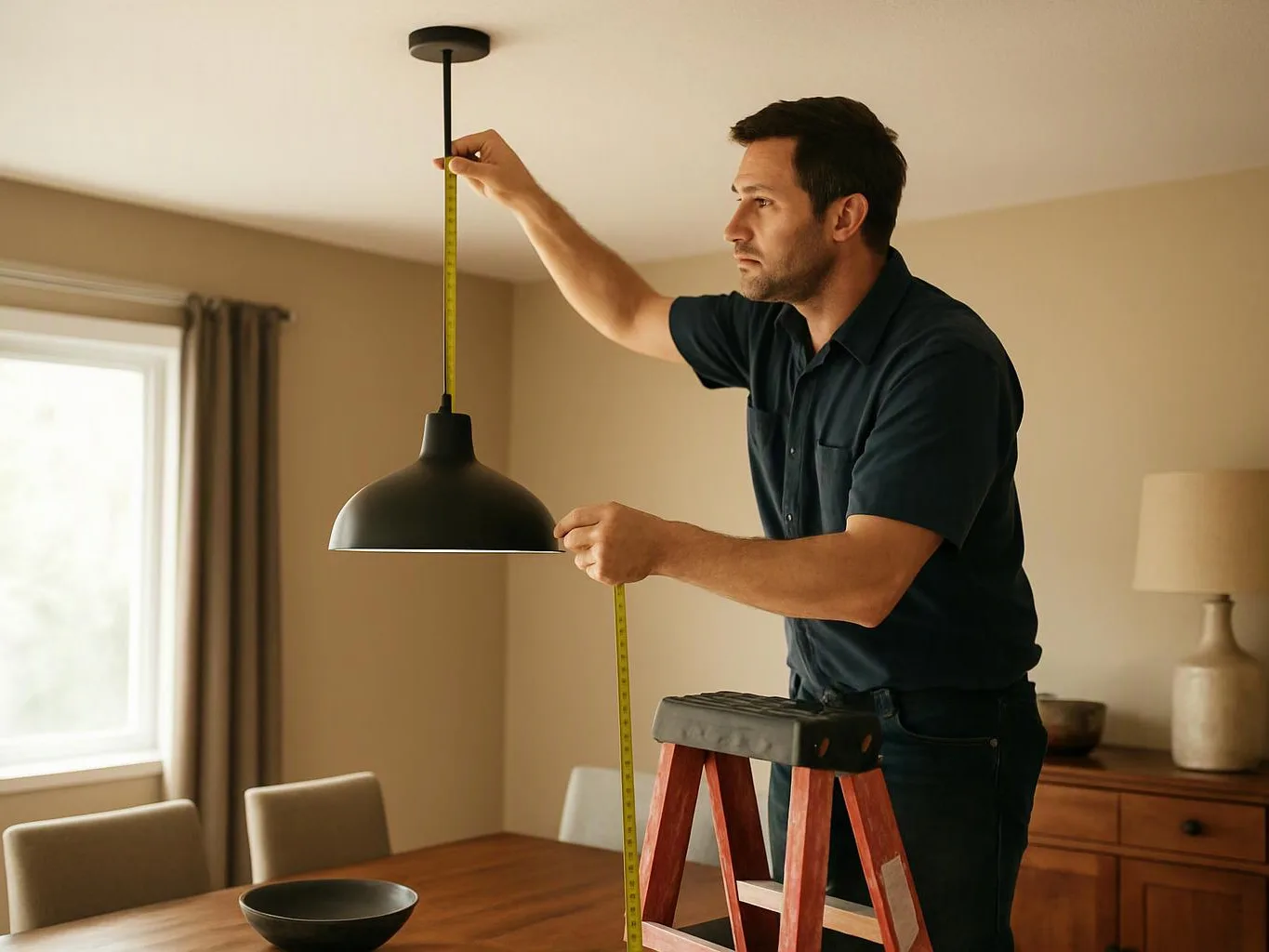
Describe the fan symptom
We note whether the fan stops, wobbles, buzzes, loses its light, or responds poorly to its switch or control.
We repair ceiling fans that wobble, stop turning, or lose their lights. Our electricians check the fan, wiring, switch, and mounting point.
A focused diagnosis separates fan faults from switch and circuit problems.
Repair work addresses the part causing the symptom, not only the visible blade movement.
A mounting check helps identify support concerns before continued fan use.
Ceiling Fan Repair is an electrical service that restores fan movement, lighting, controls, wiring, or secure mounting.
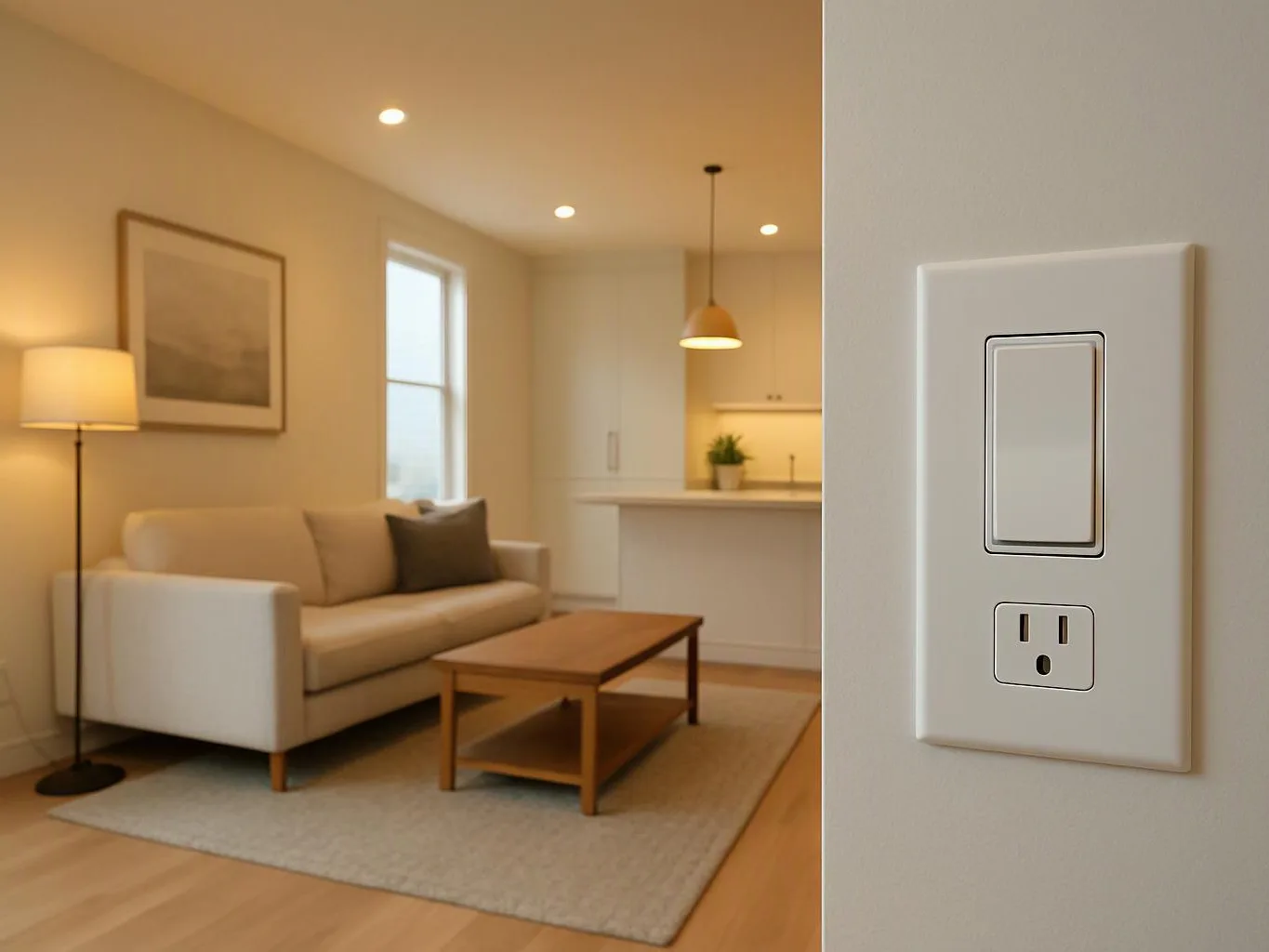
Ceiling fan repair covers the parts that control movement, speed, lighting, and support. We inspect the fan, wall switch, remote control path, wiring connections, and mounting point when those parts relate to the fault. The repair path depends on what we find. A loose blade needs a different fix from a failed control, damaged wire, or fan-rated box concern. We identify the fault and discuss repair options before work proceeds. This service fits an existing fan that has stopped working, runs unevenly, makes noise, or has a light problem. A new fan choice or a full electrical upgrade may need separate planning, and we explain that scope when the inspection shows it.
We note whether the fan stops, wobbles, buzzes, loses its light, or responds poorly to its switch or control.
We inspect the electrical system, fan connections, controls, mounting point, and visible hardware before performing work.
Systematic troubleshooting helps us separate a fan problem from a switch, wiring, light, or circuit issue.
We explain the fault and available repair options, then scope the work around the condition of the fan and its support.
After the repair, we test fan movement, controls, light function, and electrical operation before handing the system back.
A few details help us scope the fan problem before we begin.
We inspect the fan circuit, controls, wiring, and mounting point before performing ceiling fan repair work.
We identify the fan fault and discuss repair options before changing parts, wiring, controls, or mounting hardware.
We use systematic troubleshooting to separate motor, switch, light, wiring, and support faults before recommending repairs.
Tell us about the fan symptom and property, and urgent requests get priority scheduling.
A ceiling fan that suddenly stops may have a control fault, loose connection, failed motor, or circuit issue. The fan light can still work when the motor path has failed, so one working feature doesn't prove the system is safe. Turn the fan off, note which controls respond, and request an inspection before repeated testing.
A wobbling fan needs more than a quick blade adjustment when the movement increases at higher speed. Uneven blades, loose holders, damaged hardware, or an unstable mounting point can all affect safe operation. Stop using the fan if it shakes heavily, and give us the fan location, speed setting, and any recent changes.
A working motor with a dead light points to a separate light path, such as the bulb, socket, switch, control, or connection. We trace that path so the repair matches the failed part. Keep the switch position unchanged and tell us whether the light flickers, stays dark, or stopped after a bulb change.