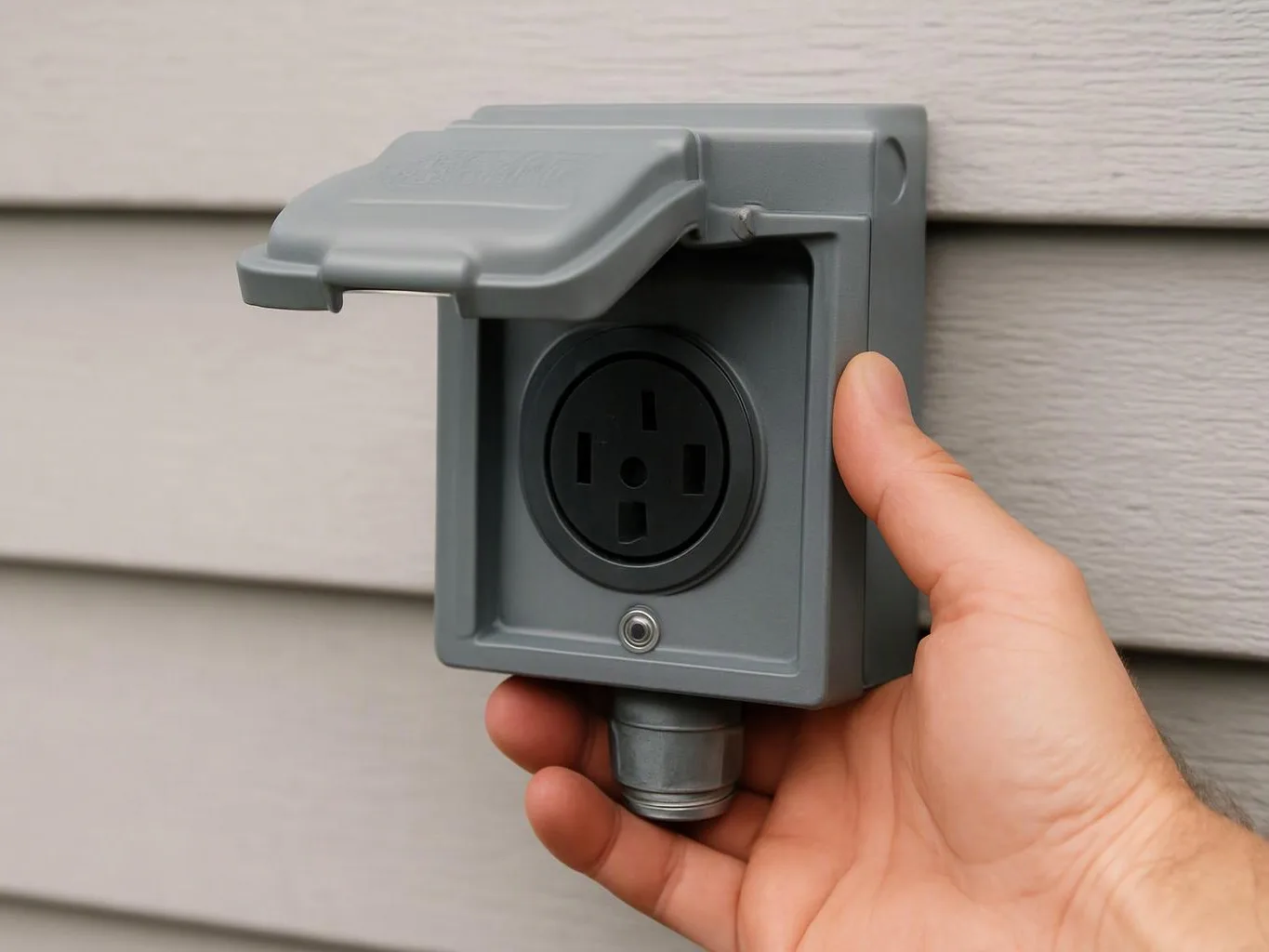
What to Do When an Electrical Outlet Stops Working
An electrical outlet that stops working should be checked for a tripped breaker, GFCI reset, or visible damage without opening the outlet. Service Electric diagnoses the circuit, identifies wiring or device faults, and completes the needed outlet repair when safe testing does not restore power.
Request an EstimateWhat to Check When an Electrical Outlet Stops Working
A nonworking electrical outlet should first be checked for a tripped breaker, a tripped GFCI outlet, or a problem with the connected appliance. Safe electrical checks can help identify a simple power loss without opening the receptacle.
A failed appliance, overloaded circuit, or shared GFCI outlet can make one receptacle appear dead. We trace the full circuit when these basic checks do not restore power.
Signs an Outlet Problem Needs Immediate Attention
Outlet damage needs immediate attention when the electrical device shows signs of heat, arcing, smoke, or physical looseness. These symptoms can signal a fire hazard or shock hazard, so stop using the outlet and keep clear of the area.
Do not remove the cover plate or touch exposed wiring. We provide emergency electrical repair when a damaged outlet creates an immediate safety concern.
Common Reasons an Electrical Outlet Stops Working
A dead outlet usually results from a power interruption, a failed device, or a fault in the branch circuit. Our team checks the receptacle and the circuit so the cause is not mistaken for an isolated outlet problem.
A receptacle can fail even when the breaker appears normal. We inspect the electrical wiring and connections when the outlet has no power after safe reset checks.
When a Circuit Breaker Keeps Tripping
A circuit breaker that keeps tripping signals an unresolved overload, short circuit, ground fault, or wiring problem that should not be repeatedly reset.
Unplug appliances on the affected circuit and leave the breaker off if it trips again. We inspect the electrical panel, identify what is causing the trip, and test the circuit before completing circuit breaker repair.
Repeated trips can damage devices and increase the risk of heat or arcing. Do not replace the breaker with a larger one, bypass its protection, or open the panel cover.
What to Do About a Burning Smell, Sparks, or Heat
A burning smell, sparks, smoke, or unusual heat from an outlet requires you to stop using the outlet and move away from the hazard while Service Electric assesses the electrical system.
Unplug equipment only if you can do so without touching a hot, damaged, or sparking receptacle. Do not spray water on an electrical fire, and call emergency services if smoke or flames are present.
Our crew checks for arcing, damaged conductors, loose terminals, and heat damage before we restore power. Emergency Electrical Repair may be needed when the fault can spread beyond the outlet.
How a Partial Power Outage Relates to a Dead Outlet
A partial power outage can leave several outlets or rooms without power when a shared circuit, GFCI device, breaker, or wiring connection has failed.
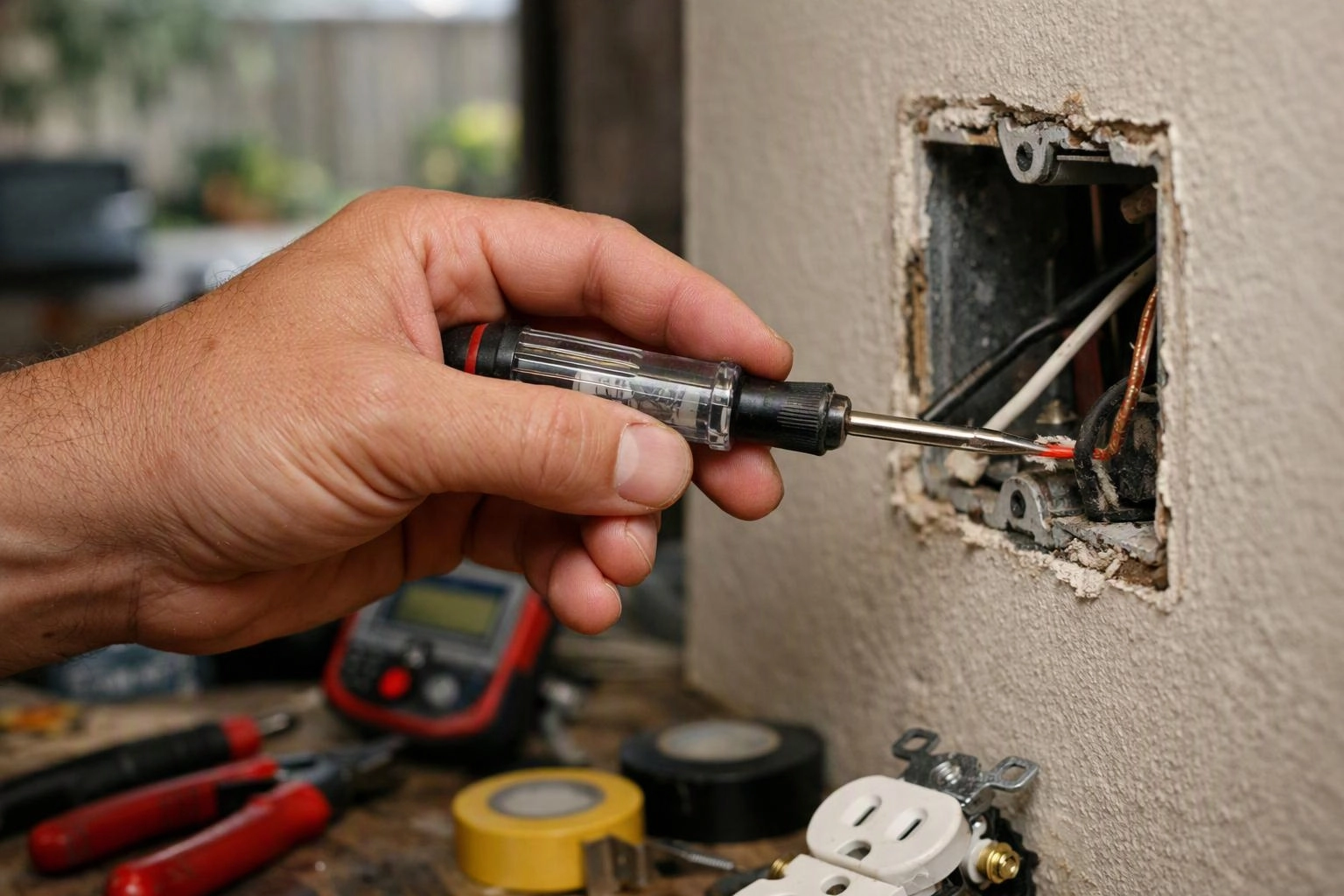
Check whether lights, appliances, or outlets in nearby areas have also lost power. A shared circuit can carry power through several electrical boxes, so the first dead outlet may not contain the original fault.
We trace the branch circuit from the service panel through the affected devices and connections. Our testing helps separate a GFCI problem from a failed receptacle, loose wiring, or a wider power loss.
How Service Electric Diagnoses an Outlet Problem
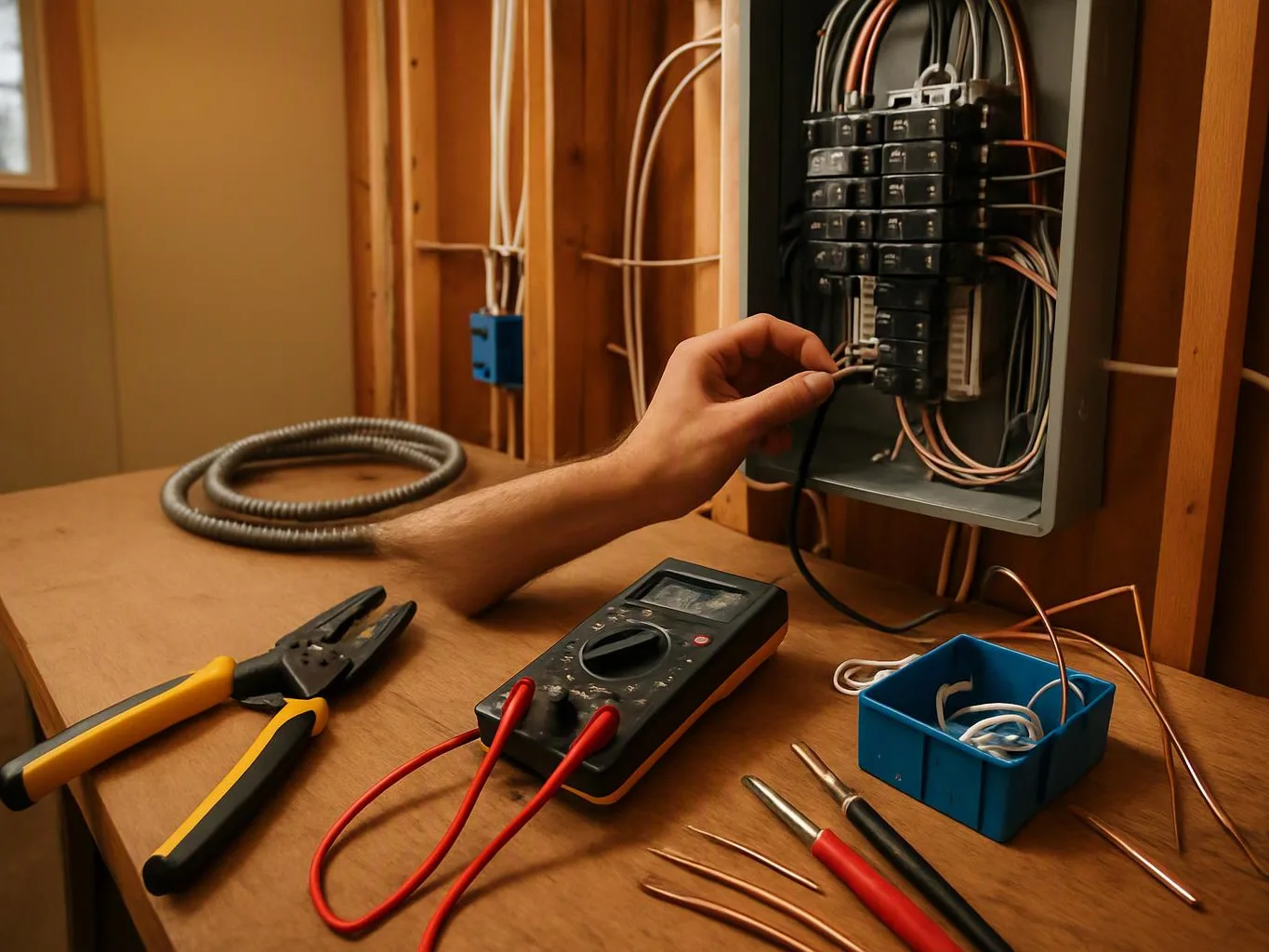
Service Electric diagnoses a nonworking outlet by inspecting the receptacle, tracing the circuit, testing for power, and checking the breaker, GFCI protection, and wiring connections.
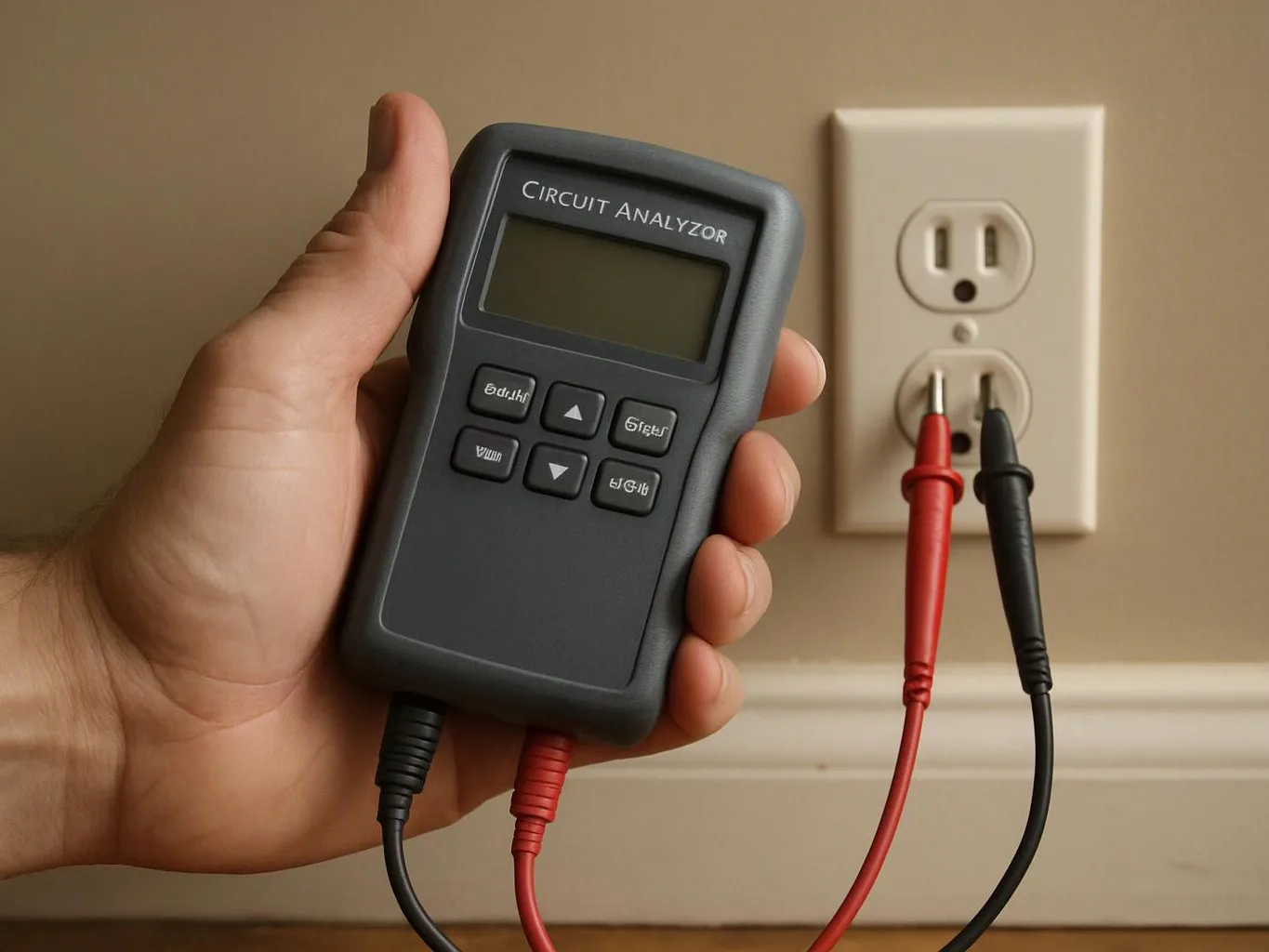
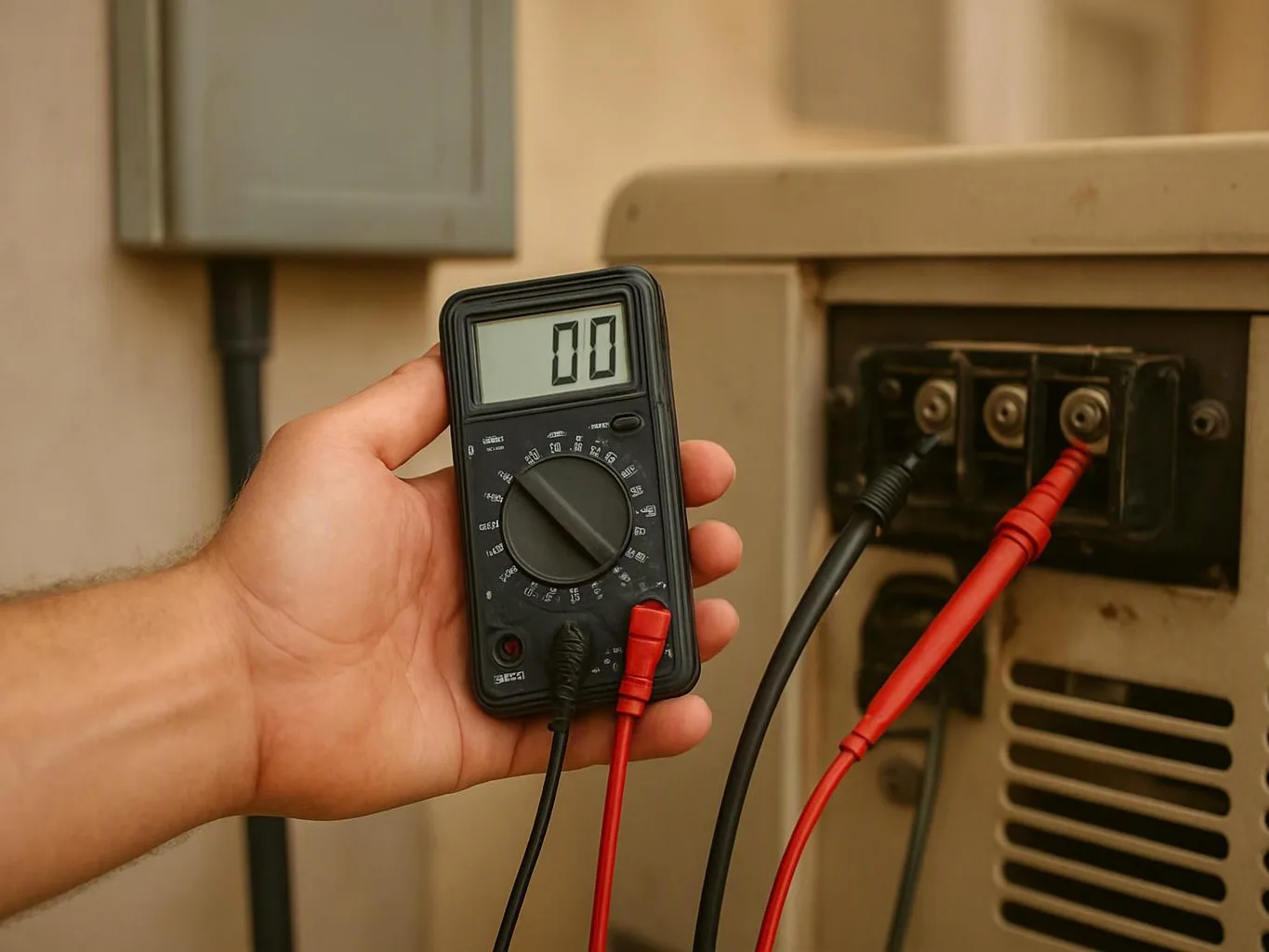
We begin with a visual outlet inspection and safe voltage testing. Our team then checks the electrical panel and follows the electrical circuit to locate the point where power stops.
We look for loose connections, damaged circuit conductors, failed devices, and signs of a short circuit or ground fault. The recommended outlet repair depends on the condition of the receptacle, electrical box, and connected wiring.
For broader electrical concerns, our Electrical Troubleshooting service can address related power loss, switches, circuits, and wiring issues. Electrical Troubleshooting can be requested when the cause is not clear from safe homeowner checks.
When Electrical Troubleshooting Requires Service Electric
Service Electric should handle outlet troubleshooting when the outlet remains dead after safe reset checks, the breaker trips again, wiring is exposed, or damage and burning are visible.
We also handle outlet repair when a receptacle is loose, warm, cracked, or unable to hold a plug securely. Our team can diagnose related circuit breaker repair, electrical wiring repair, or light switch repair when the same circuit is affected.
Do not open the receptacle or electrical panel to investigate a fault. Professional testing is needed when power may still be present in damaged wiring.
How to Prevent Future Outlet Problems
Outlet problems can be reduced by managing electrical load, protecting receptacles from damage, and responding to early warning signs. These steps help you spot conditions that need inspection before a complete power loss occurs.
Do not cover warning signs with a new faceplate or continue using a buzzing outlet. We can inspect the electrical circuit and recommend wiring repair when the existing capacity or connections are not suitable.
What to Record Before Requesting Electrical Repair
Recording the outlet location, affected devices, and electrical symptoms gives Service Electric useful information before we begin troubleshooting.
Do not continue testing when the outlet shows heat, smoke, sparks, or visible damage. Share these details with our team so we can plan safe electrical troubleshooting and the needed repair.
Questions About a Nonworking Electrical Outlet
Can a tripped GFCI outlet make another outlet stop working?
Yes, a tripped GFCI outlet can interrupt power to other outlets on the same branch circuit. Service Electric traces the circuit and checks the GFCI device when resetting it does not restore power.
Why does one outlet work while another outlet in the same room does not?
One outlet can work while another fails because of a GFCI interruption, loose connection, damaged receptacle, or wiring fault between devices. We test both outlets and trace the shared circuit to locate the power loss.
Should I keep resetting a circuit breaker that trips?
No, you should not keep resetting a circuit breaker that trips again. Leave the breaker off and contact Service Electric to check for an overload, short circuit, ground fault, or wiring problem.
Can an outlet stop working because of a loose wire?
Yes, a loose wire or loose connection can stop power from reaching an outlet. We inspect the receptacle, electrical box, and circuit conductors without asking you to open the outlet.
What should I do if an outlet is warm but still works?
A warm outlet should be taken out of use until the cause is checked. Unplug the device without touching a damaged receptacle, keep clear of the outlet, and contact Service Electric for safe testing.
Outlet repair is safest when the cause is identified before power is restored. Contact Service Electric for electrical troubleshooting when safe reset checks do not solve the problem or when the outlet shows a hazard sign.
Get a Free EstimateRelated Resources
Emergency Electrician Cost Factors: What Affects 24-Hour Electrical Repair Pricing
What It CostsElectrical Panel Upgrade Cost Factors: Size, Capacity, Wiring, and Scope
What to AvoidEmergency Electrical Repair Mistakes: What Not to Do During a Power Problem
When You Need ItElectrical Safety Before and After Severe Weather or Water Damage