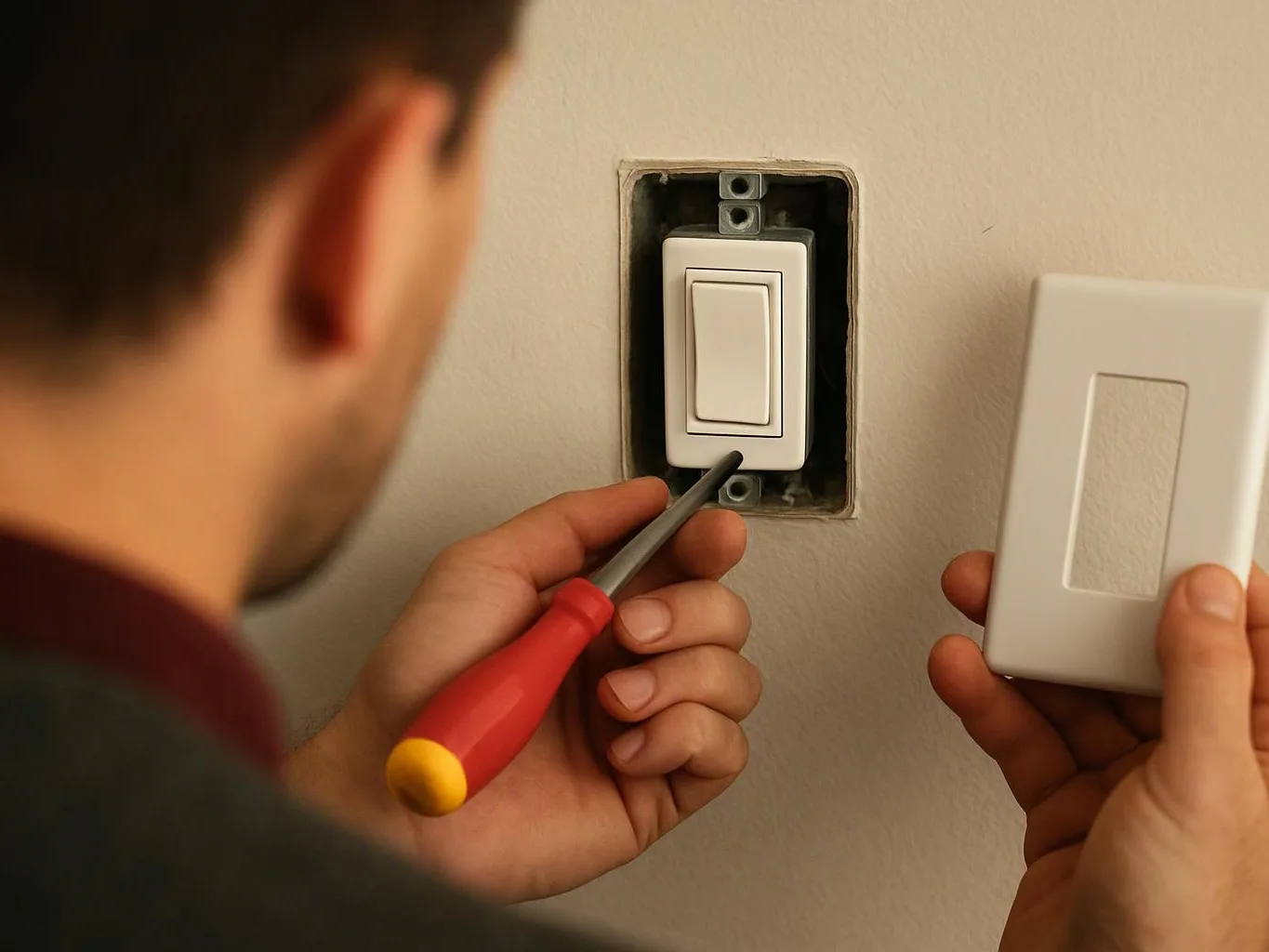
Smoke Detector Installation Planning Checklist
Smoke detector installation planning starts with room-by-room placement, power, interconnection, testing and access checks, while carbon monoxide detector installation adds fuel-burning equipment and sleeping-area considerations; Service Electric uses these checks to define the work and prepare the installation.
Request an EstimateWhat Should a Smoke and Carbon Monoxide Detector Installation Checklist Cover?
A smoke and carbon monoxide detector installation checklist should cover detection needs, placement, power, interconnection, access, testing and local installation requirements.
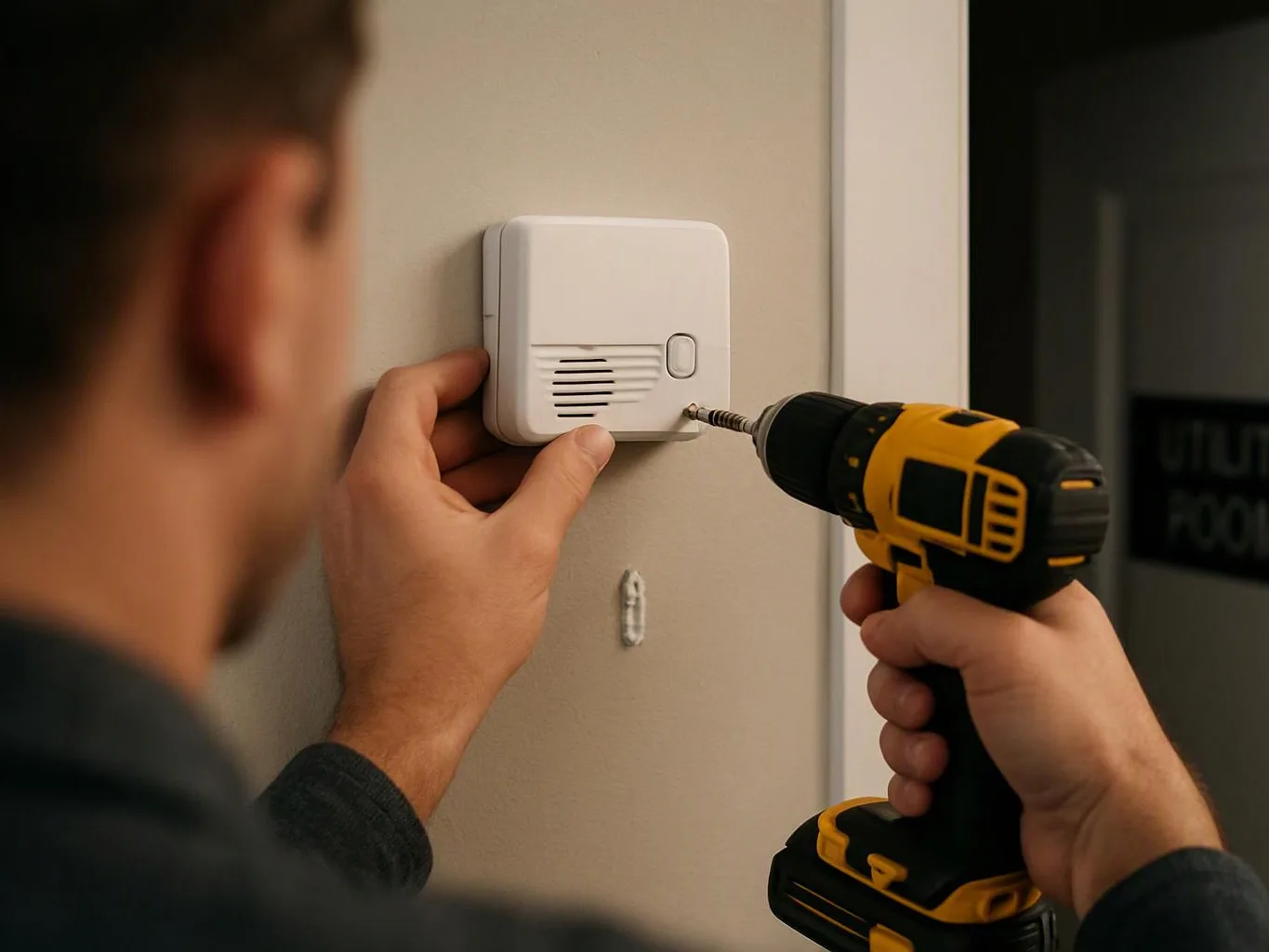
Smoke detector installation begins with the home layout and sleeping areas. We review where smoke alarms and carbon monoxide detectors belong, how each unit will receive power, and how the electrical system can support the plan.
Fuel-burning appliances, attached garages and remodeling work can change the alarm location. Our team uses the checklist to define device placement, wiring needs and the project scope before installation begins.
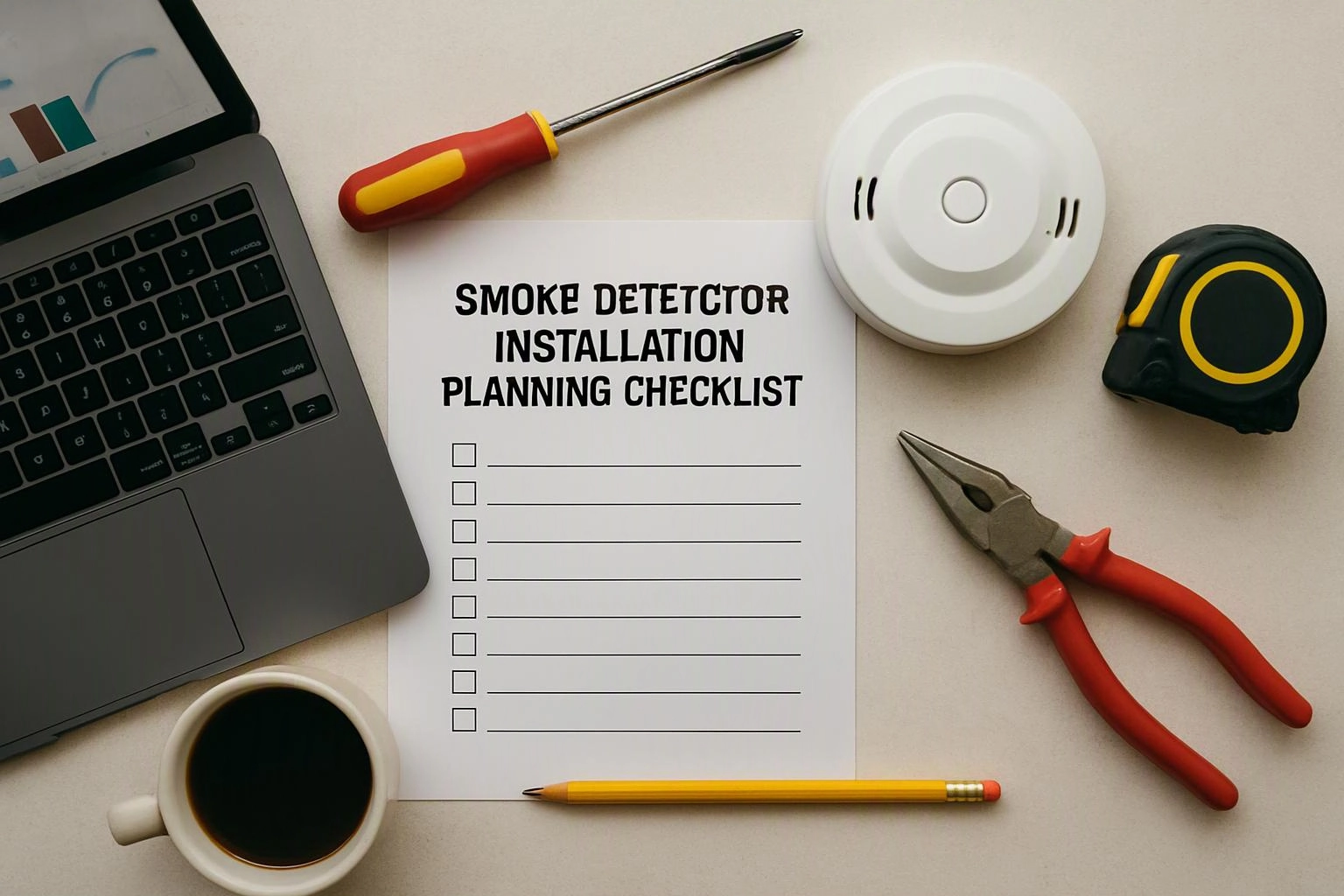
When Do You Need Smoke and Carbon Monoxide Detectors Together?
Smoke detection and carbon monoxide detection belong in the same planning review when the home has sleeping areas, fuel-burning equipment or other conditions that affect both life-safety systems.
We review these conditions together so the finished system matches the home's layout and the intended protection.
How Do Smoke and Carbon Monoxide Detector Services Work Together?
Smoke and carbon monoxide detector services work together by coordinating device placement, power, communication and final testing.
Our crew then checks the electrical connection and confirms that the selected interconnection method fits the installation.
How Do You Plan Detector Locations Room by Room?
Room-by-room detector planning assigns each smoke alarm or carbon monoxide alarm to a suitable location based on the home's use, layout and access.
We record each location before installation so device placement supports both safety and service access.
What Power and Interconnection Checks Belong on the Checklist?
Power and interconnection checks determine whether detectors can communicate, maintain backup power and receive a suitable electrical connection.
A hardwired detector may need an electrical circuit and junction box at the planned location. A battery-powered detector may use a backup battery without new electrical wiring, while wireless interconnection can provide communication between compatible units.
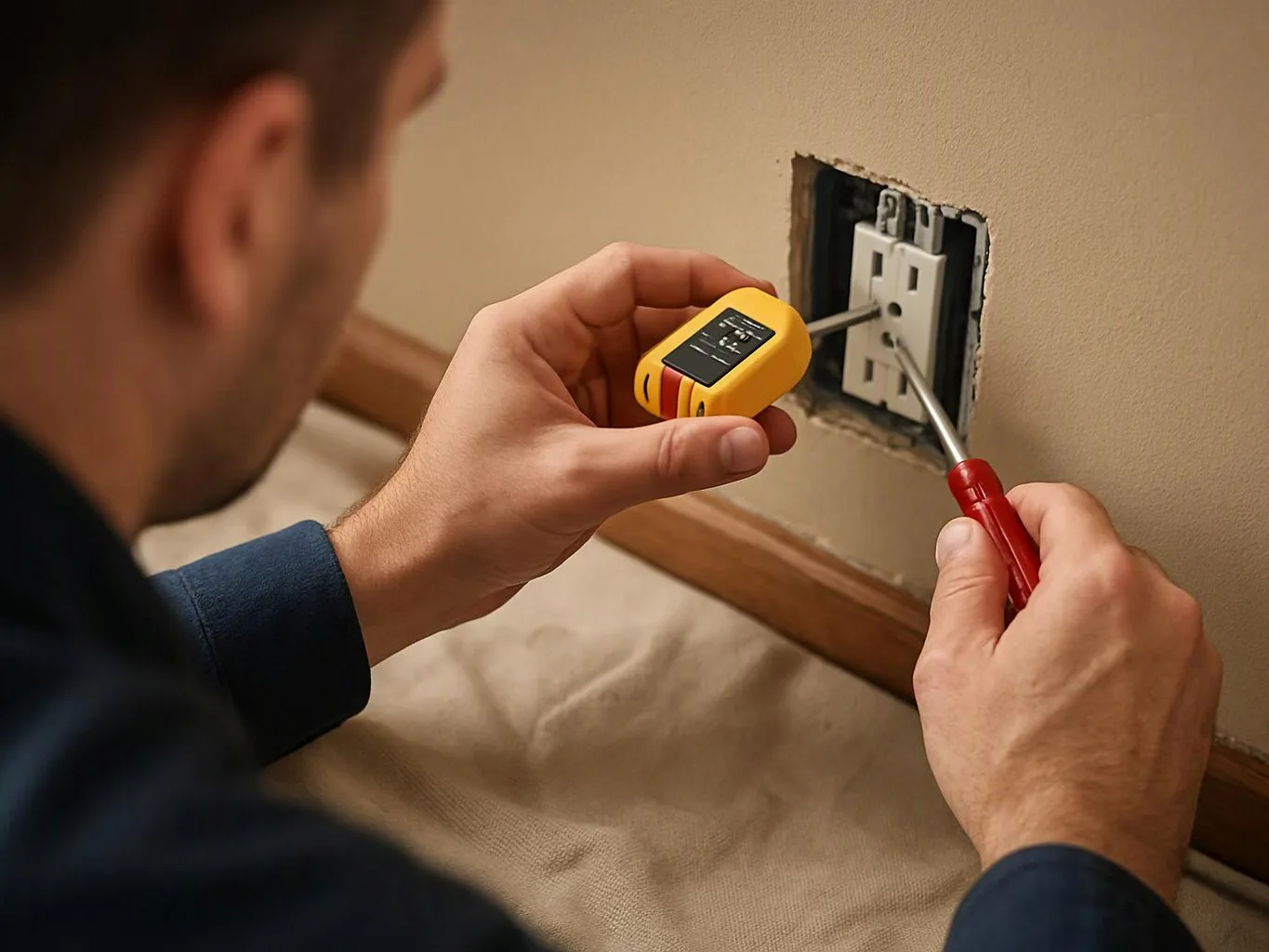
We inspect existing wiring, confirm the electrical connection and match the alarm design to the home's conditions. Our team also checks whether interconnected alarms will sound together when one unit detects smoke or carbon monoxide.
What Should You Check Before Installation Day?
Installation-day preparation confirms that the planned locations, access routes and existing equipment are ready for the work.
We use these checks to reduce surprises and protect finished surfaces during the installation.
What Changes the Scope of a Detector Installation Project?
Detector installation scope changes with the number and location of devices, existing wiring, access conditions, interconnection requirements and surface repairs.
Existing wiring can simplify some work, while finished surfaces, ceiling height and limited access can require more careful routing and preparation. Circuit capacity also matters when a hardwired installation adds or changes electrical connections.
We review the complete scope before preparing a project quote. The quote can account for device placement, wiring, interconnection, access work and any needed surface repairs.
How Should Detectors Be Tested After Installation?
Detectors should be tested after installation to confirm alarm operation, communication between interconnected units and backup power.
We use the test button to check the smoke alarm and carbon monoxide alarm, then listen for the alarm sound at the planned locations. Our team also performs an interconnection test so linked units respond as intended.
The backup battery is checked as part of the final review. We document device operation and explain the basic alarm testing steps for ongoing household checks.
What Questions Should You Ask About Carbon Monoxide Detector Installation?
Carbon monoxide detector installation questions should focus on possible carbon monoxide sources, fuel-burning equipment, attached garages, sleeping areas and alarm testing.
Ask whether the home has a carbon monoxide source that affects alarm placement. Fuel-burning equipment and an attached garage can influence where a carbon monoxide alarm belongs.
Ask how the alarm will be heard from each sleeping area and how the units will be tested after installation. We review these conditions during planning and explain the selected carbon monoxide alarm placement.
How Service Electric Turns the Checklist Into an Installation Plan
Service Electric turns the checklist into an installation plan through a site assessment, device placement review, electrical inspection and final testing.
We begin by reviewing the home layout, sleeping areas, existing alarms and fuel-burning equipment. Our team then checks ceiling access, wall access, existing wiring, circuit conditions and the preferred interconnection method.
After the assessment, we define the installation scope and prepare a project quote. We complete the installation, test each smoke alarm and carbon monoxide alarm, and confirm that interconnected units and backup power operate correctly.
For planning support, contact Service Electric through Smoke Detector Installation service. We use the completed checklist to explain the work clearly and prepare the next step.
Get a Free EstimateQuestions About Smoke Detector Installation Planning
Can smoke and carbon monoxide detectors be installed together?
Yes, smoke and carbon monoxide detectors can be planned and installed together when the home layout, power, placement and interconnection needs are reviewed as one system. Service Electric coordinates both services so the installation plan covers fire detection and carbon monoxide warning.
Where should carbon monoxide detectors be placed?
Carbon monoxide detectors should be placed according to the home's sleeping areas, fuel-burning equipment, attached garage and applicable installation requirements. We review the layout and select locations where the carbon monoxide alarm can be heard and accessed for testing.
Should smoke detectors be hardwired or battery powered?
Smoke detectors should use the power approach that fits the existing electrical system, installation requirements and desired interconnection method. We check whether hardwired installation, a battery-powered unit or another approved arrangement suits the planned locations.
Can existing smoke detectors be replaced without rewiring?
Existing smoke detectors may be replaceable without rewiring when the current wiring, mounting bases and replacement devices are compatible. We inspect the existing alarm system before deciding whether device replacement can use the current electrical connections.
How do interconnected smoke detectors communicate?
Interconnected smoke detectors communicate through compatible electrical wiring or wireless interconnection. We verify the selected method and perform an interconnection test so linked alarms respond together.
Related Resources
Electrical Panel Upgrade Planning Guide for Homeowners
What Goes With ItPlanning Indoor, Outdoor, and Landscape Lighting Installation
What Goes With ItPlanning a Home Battery for Critical-Load Backup
What Goes With ItHot Tub Wiring and Pool Electrical Installation Safety Considerations