Hot Tub Wiring and Pool Electrical Installation Safety Considerations
Hot tub wiring safety requires correct GFCI protection, grounding, bonding, disconnect placement, weather-resistant equipment, and inspection before use. Service Electric checks these connections and coordinates pool electrical installation for a safer, code-conscious setup.
Request an Estimate
What Makes Hot Tub Wiring Safe?
Hot tub wiring is safe when the circuit, protective devices, grounding, bonding, disconnect, and equipment location are correctly matched to the installation. We review the full electrical path so each part supports the others.
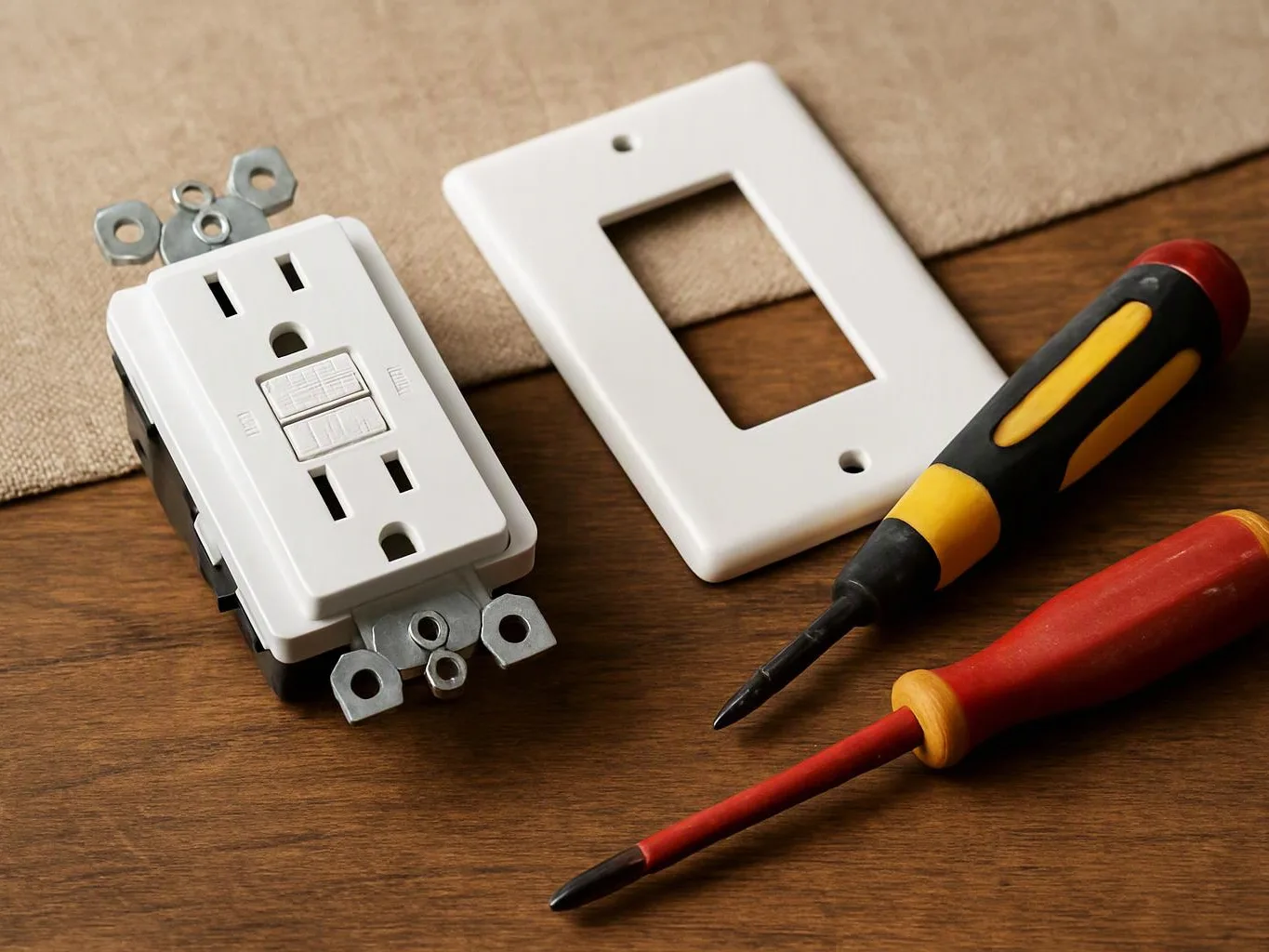
GFCI protection uses a ground-fault circuit interrupter to reduce the risk of electric shock when current leaves its intended path. We match circuit protection to the hot tub equipment and check that the electrical panel can support the load.
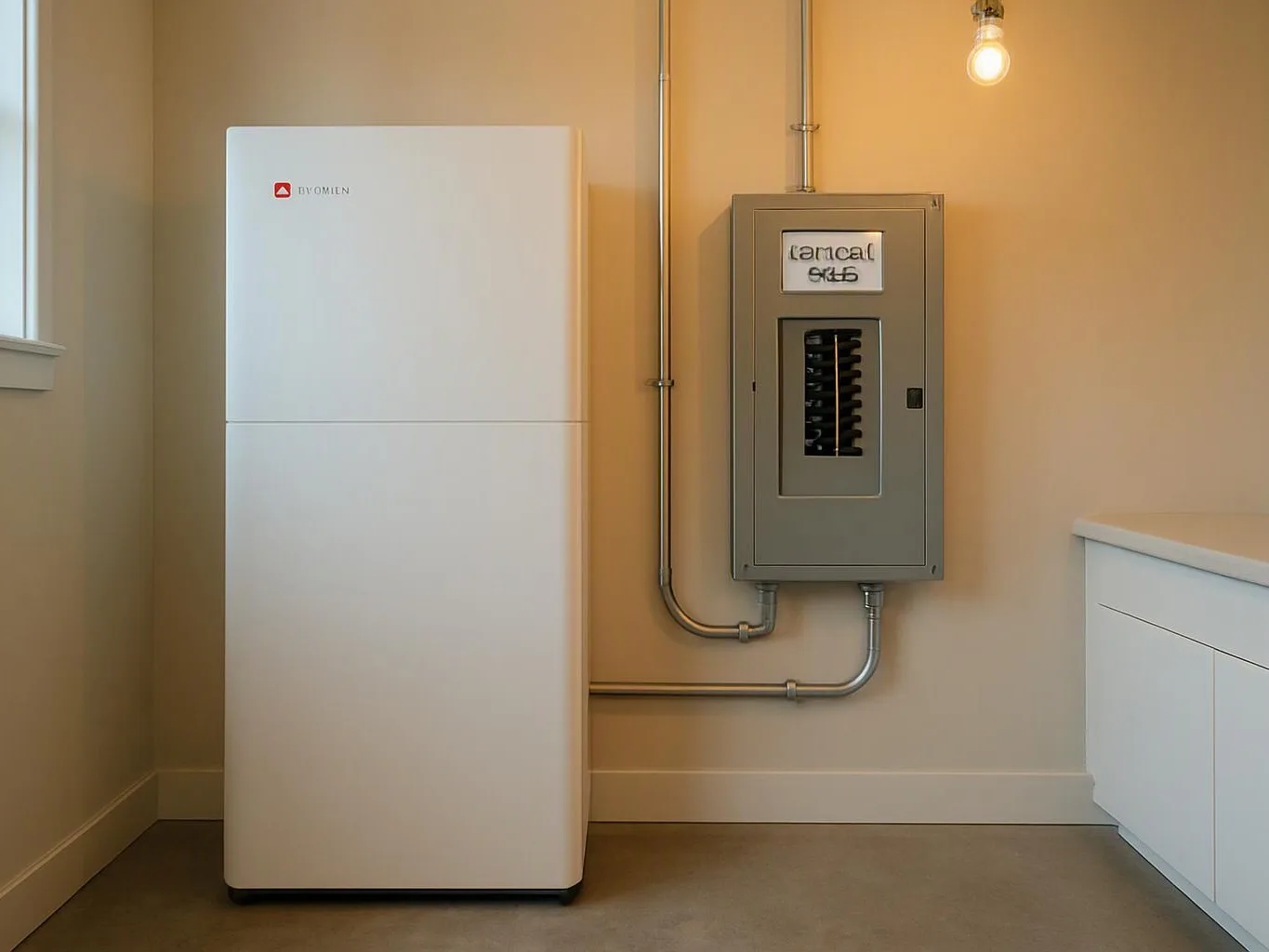
Grounding provides a controlled path for fault current through the equipment grounding conductor. Bonding connects accessible metal parts through an equipotential bonding system, while the disconnecting means provides a way to shut off power near the equipment when required. We also check that the disconnect remains accessible and that outdoor equipment uses a weather-resistant enclosure.
Which Electrical Hazards Should Pool and Hot Tub Owners Check?
Pool and hot tub electrical hazards include ground faults, damaged wiring, water exposure, corrosion, and circuits that are not properly protected. We look for conditions that can place people or equipment at risk.
Electric shock can occur when water reaches an energized part or when a fault is not cleared by the circuit protection. Damaged insulation and corrosion can weaken connections, while an overloaded circuit can create heat and nuisance trips.
Improper extension cords are not a substitute for correctly installed outdoor wiring. We inspect cable protection, connections, and equipment locations to address exposure to water, movement, and weather.
How Should Pool Electrical Installation Be Planned?
Pool electrical installation should be planned around equipment location, electrical load, circuit routing, service capacity, bonding, and access for inspection. We assess the site before selecting the circuit path or connecting pool equipment.
The hot tub location affects the route, cable protection, disconnect placement, and relationship to nearby pool equipment. Our team reviews the electrical panel and existing wiring to determine whether the available service capacity supports the planned load.
Outdoor electrical equipment needs protection from water, weather, impact, and corrosion. We coordinate conduit, junction boxes, grounding conductors, bonding conductors, and weatherproof connections as part of one outdoor electrical system.
When Do You Need Hot Tub Wiring and Pool Electrical Installation Together?
Hot tub wiring and pool electrical installation belong in the same project when the equipment shares a site, electrical capacity, bonding system, or installation planning. Coordinating the work helps prevent conflicting routes and incomplete safety connections.
What Should Be Checked Before the Hot Tub or Pool Is Used?
An Electrical Safety Inspection should verify protective devices, grounding, bonding, disconnect access, enclosures, cable protection, and equipment connections before use. We follow the installation path from the electrical panel to the outdoor equipment.
Testing should be completed before anyone enters the water. We document concerns that need correction and explain the safety steps required before use.
How Do Hot Tub Wiring and Pool Electrical Installation Work Together?
Hot tub wiring and pool electrical installation work together when the design, circuit installation, equipment connections, bonding, and inspection follow one coordinated plan. We treat the hot tub and pool equipment as connected parts of the outdoor electrical system.
Electrical design sets the load, circuit protection, equipment locations, and routing. Circuit installation then provides protected paths to the hot tub and pool equipment, while the bonding network helps keep accessible metal parts at a similar electrical potential.
Our inspection sequence follows the work from the panel through the circuits, disconnects, equipment connections, grounding, and bonding. This approach helps reveal dependencies that can be missed when each installation is handled as a separate task.
What Is the Best Order for Coordinating the Electrical Work?
The electrical work should move from site and load assessment to circuit planning, installation, equipment connection, and final safety inspection. We use this order to identify capacity and routing issues before they affect the finished pool or hot tub.
What Can Change the Cost of a Hot Tub and Pool Electrical Project?
The cost of a hot tub and pool electrical project depends on panel capacity, circuit distance, access, existing wiring, equipment location, bonding needs, and installation conditions. We review these factors before preparing an exact quote.
Trenching can add work when circuits must travel underground, especially when the route requires additional cable protection or access preparation. Circuit distance also affects material needs and the installation path.
Existing wiring may need correction or replacement before new equipment can be connected safely. Weatherproof equipment, bonding requirements, panel changes, and permit coordination can also affect the project scope.
We explain what the quote includes, including planned circuits, connections, protective devices, equipment location, and inspection-related work. Contact Service Electric through our Hot Tub Wiring service page to request an exact quote.
How Service Electric Checks Hot Tub and Pool Electrical Safety
Service Electric checks hot tub wiring, pool electrical installation, and safety inspection points as one connected electrical system. We begin with the site, electrical panel, equipment locations, and planned load.
Our team reviews GFCI protection, grounding, bonding, disconnects, cable protection, and weather-resistant connections. We also check outdoor-rated equipment and enclosures for conditions that could allow water entry or corrosion.
We coordinate pool equipment connections with the spa control panel and the wider bonding network. The final Electrical Safety Inspection confirms that the installation is ready for safe operation and that access remains available for future testing.
When you are ready to review a hot tub or pool electrical project, contact Service Electric for a site assessment and a clear quote based on the actual installation conditions.
Questions About Hot Tub and Pool Electrical Safety
Can a hot tub share electrical equipment with a pool?
Yes, a hot tub can share parts of a pool electrical system only when the electrical load, circuit protection, disconnects, grounding, and bonding are correctly planned. Service Electric reviews the equipment and panel before deciding how the systems can be coordinated.
Can an extension cord be used for hot tub wiring?
No, an extension cord should not replace a correctly installed hot tub circuit. Hot tub wiring needs suitable circuit protection, grounding, cable protection, and weather-resistant connections that match the equipment.
What should I do if a hot tub GFCI keeps tripping?
A repeatedly tripping hot tub GFCI indicates a fault, moisture problem, damaged connection, or equipment issue that needs testing. Stop using the hot tub and contact Service Electric so we can inspect the circuit and equipment safely.
Can pool electrical equipment be installed before the hot tub is delivered?
Yes, pool electrical equipment can be installed first when the final hot tub location, equipment specifications, electrical load, circuit routing, and connection points are known. We coordinate the plan so later hot tub wiring does not compromise access, protection, grounding, or bonding.