Electrical Safety Inspection Checklist and What It Can Identify
Electrical safety inspection checklist covers panels, wiring, outlets, grounding, protection devices, and visible hazards; Service Electric uses these checks to identify conditions that may require electrical troubleshooting, wiring repair, or surge protection.
Request an EstimateWhat Does an Electrical Safety Inspection Checklist Cover?
An electrical safety inspection checklist covers the condition, connection, protection, and visible safety of a building's electrical system.
Our team reviews the electrical panel, branch circuits, and electrical wiring for signs of damage or unsafe changes. We also inspect receptacles, switches, grounding, and bonding so the system can be assessed as a whole.
Electrical Safety Inspection Checklist
Our electrical inspection checklist follows the main points that can reveal a safety concern or maintenance need.
We document conditions that need attention and connect each finding to a practical next step. Some findings call for electrical troubleshooting, while others may need wiring repair or improved protection.
What Can an Electrical Safety Inspection Help Identify?
An electrical safety inspection can help identify unsafe wiring, overloaded circuits, damaged equipment, grounding problems, and other conditions that need correction.
| Condition | What We Look For | Possible Concern |
|---|---|---|
| Overloaded circuits | Heavy demand or too many loads on one circuit | Overheating or circuit overload |
| Loose electrical connections | Loose terminations or signs of heat at connections | Arcing, heat, or intermittent operation |
| Damaged wiring | Cuts, deterioration, or damaged insulation | Fire hazard or shock hazard |
| Faulty circuit breakers | Breakers that trip, fail to reset, or do not match the circuit | Loss of circuit protection |
| Grounding faults | Open grounds or damaged grounding paths | Shock hazard |
| Reverse polarity | Improper hot, neutral, or ground connections | Unsafe equipment operation |
| Missing covers | Open junction boxes, panels, or device openings | Contact with energized parts |
| Improper modifications | Unclear, unsupported, or mismatched additions | Unreliable protection or wiring damage |
| Water intrusion | Moisture near equipment, outlets, or wiring | Corrosion, shock, or fire hazard |
| Arc-fault risk | Damaged insulation, loose connections, or unsafe modifications | Uncontrolled electrical arcing |
We use the inspection findings to separate an immediate safety concern from a maintenance item. The recommended response depends on the location, condition, and effect of each problem.
Signs That Your Electrical System Needs an Inspection
Flickering lights, unusual heat, and repeated breaker trips are signs that your electrical system needs an inspection.
Stop using equipment that shows heat, sparks, or burning odor when you can do so safely. We can inspect the affected circuit and identify the cause.
Common Causes of Electrical Safety Problems
Aging wiring, excess electrical demand, and poor connections are common causes of electrical safety problems.
We trace the visible condition back to the circuit and connection involved. That approach helps us recommend targeted electrical troubleshooting or repair.
How We Check Electrical Safety Conditions
Service Electric checks electrical safety conditions through visual inspection, electrical testing, and a review of how circuits and protective devices work together.
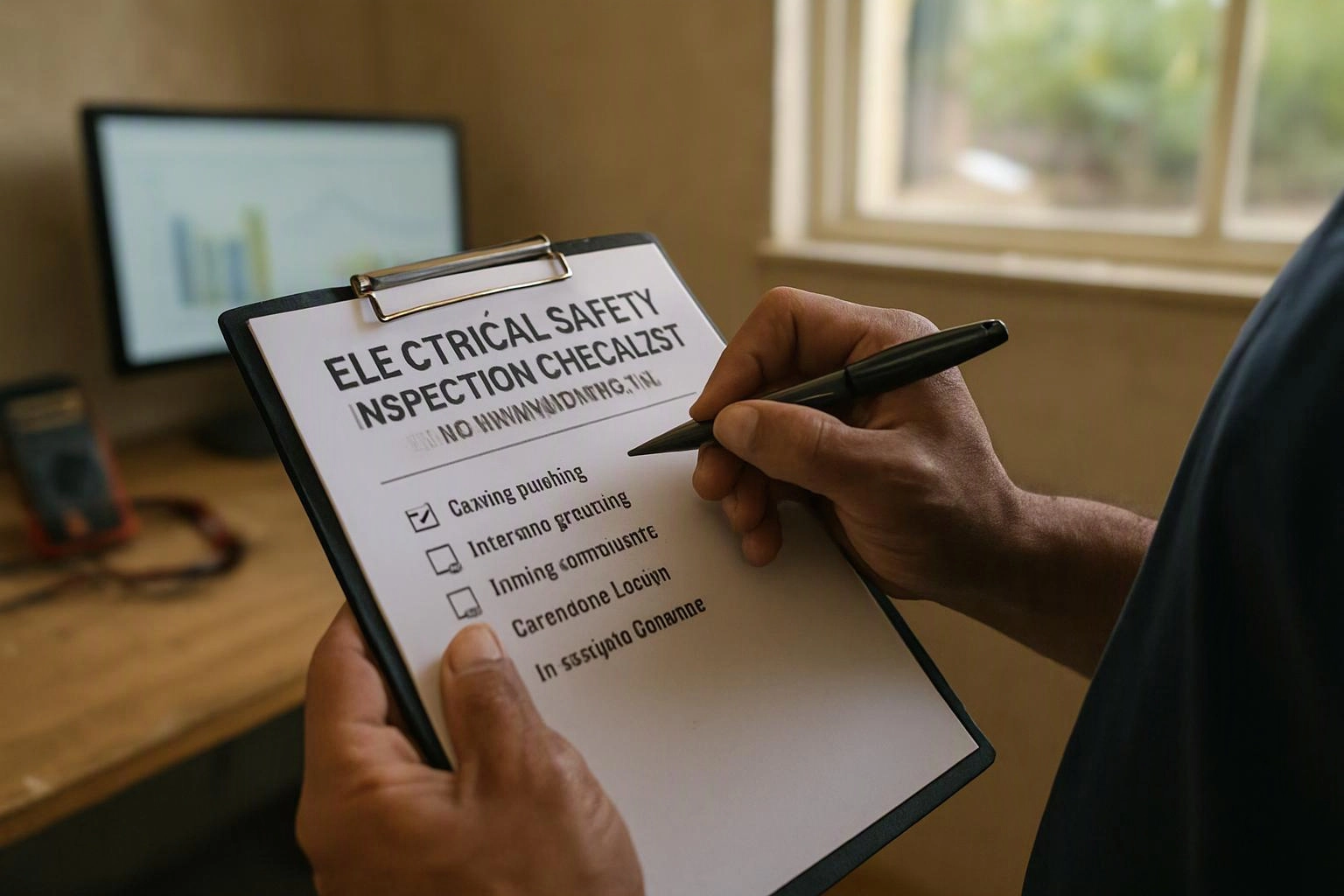
Our team identifies circuits, inspects the panel, and tests accessible outlets. We evaluate grounding and review visible wiring, junction boxes, switches, and equipment for signs of damage or unsafe changes.
We explain the inspection findings in plain language and give safety recommendations based on the condition we find. If testing points to a hidden issue, we use electrical troubleshooting to narrow down the cause.
What Should You Ask About Whole-Home Surge Protection?
Whole-home surge protection questions should address the electrical panel, the sources of surges covered, system compatibility, installation location, and how protection status is checked.
Ask whether the surge protective device fits the electrical panel and how it responds to transient voltage. We also review protection against lightning surge and utility surge conditions, along with the needs of sensitive electronics.
Our team explains where the device is installed, how it connects to the electrical system, and how its status can be checked. We include whole-home surge protection in the broader safety discussion when the system and equipment make it relevant.
Electrical Maintenance Steps to Discuss With Service Electric
Electrical maintenance steps should focus on protective devices, connection condition, wiring, and changes that can affect system safety.
We organize recommendations by safety priority and explain which work addresses an active concern. Requesting a quote from us gives you a clear description of the recommended work and its scope.
How Can You Help Prevent Electrical Safety Problems?
You can help prevent electrical safety problems by managing electrical loads, protecting outlets, and responding to visible damage.
Do not remove panel covers or handle exposed conductors as a home maintenance task. We can inspect unsafe conditions and recommend the proper correction.
When Should Electrical Wiring Repair Be Discussed?
Electrical wiring repair should be discussed when an inspection finds damaged insulation, loose or exposed conductors, overheating, or wiring that does not match the circuit protection.
Aluminum wiring, damaged insulation, and loose wiring can require closer evaluation because the risk depends on the connection, circuit, and equipment involved. Our team checks the affected area and explains whether repair, replacement, or additional electrical troubleshooting is needed.
We also review circuit protection when wiring has been modified or when a breaker repeatedly trips. This helps connect the repair recommendation to the actual safety concern.
What Happens After an Electrical Safety Inspection?
After an electrical safety inspection, Service Electric explains the findings, separates urgent safety concerns from maintenance items, and outlines applicable repair or protection work.
We review the inspection findings with you and identify the safety priority for each condition. Electrical troubleshooting may be recommended when the source of a problem is not visible.
When the inspection shows damaged wiring or unsafe connections, we describe the electrical wiring repair needed. When surge activity is a concern, we explain whether whole-home surge protection fits the electrical system.
We provide repair recommendations that match the observed conditions. You can request a service estimate that reflects the work included in the recommendation.
Questions About Electrical Safety Inspections
Can an electrical inspection find hidden wiring problems?
Yes, Service Electric can use testing, circuit identification, and visible access points to help locate wiring problems that are not immediately visible. We explain when additional electrical troubleshooting is needed to narrow down the source.
What is the difference between an electrical inspection and electrical troubleshooting?
An electrical inspection reviews the system for visible hazards, protection concerns, and maintenance needs, while electrical troubleshooting follows a specific symptom or failure to identify its cause. We may use both when an inspection reveals an intermittent or unexplained problem.
Should an older home have an electrical safety inspection?
Yes, an older home should have an electrical safety inspection when its wiring, panel, outlets, or protection devices have not been reviewed recently or when the system shows warning signs. We check the accessible system condition and identify concerns that may need repair or maintenance.
Can an electrical inspection identify the need for surge protection?
Yes, an electrical inspection can identify conditions that make whole-home surge protection worth discussing. We review the electrical panel, existing protection, system compatibility, and the equipment you want to protect before making a recommendation.
Related Resources
Emergency Electrician Cost Factors: What Affects 24-Hour Electrical Repair Pricing
What It CostsElectrical Panel Upgrade Cost Factors: Size, Capacity, Wiring, and Scope
What to AvoidEmergency Electrical Repair Mistakes: What Not to Do During a Power Problem
What to AvoidElectrical Panel Upgrade Mistakes That Lead to Costly Rework