
What Is Conduit?
Conduit is a protective raceway that carries and shields electrical wires or cables. Electricians install conduit along walls, ceilings, underground paths, and other routes where wiring needs physical protection or an organized path. Conduit may be made from metal or plastic, and its size and fittings must suit the wiring and installation conditions.
Quick Facts About Conduit
Category
Electrical raceway
Used for
Protecting and routing conductors
Common confusion
Conduit does not carry electrical current
Also called
Electrical Conduit, Raceway
Often discussed with
Electrical Wiring Installation
Key Takeaways About Conduit
- Conduit protects conductors from impact, moisture, and abrasion.
- Raceway shape and fittings guide wires along planned routes.
- Conduit is not the same as cable or individual wire.
How Conduit Works
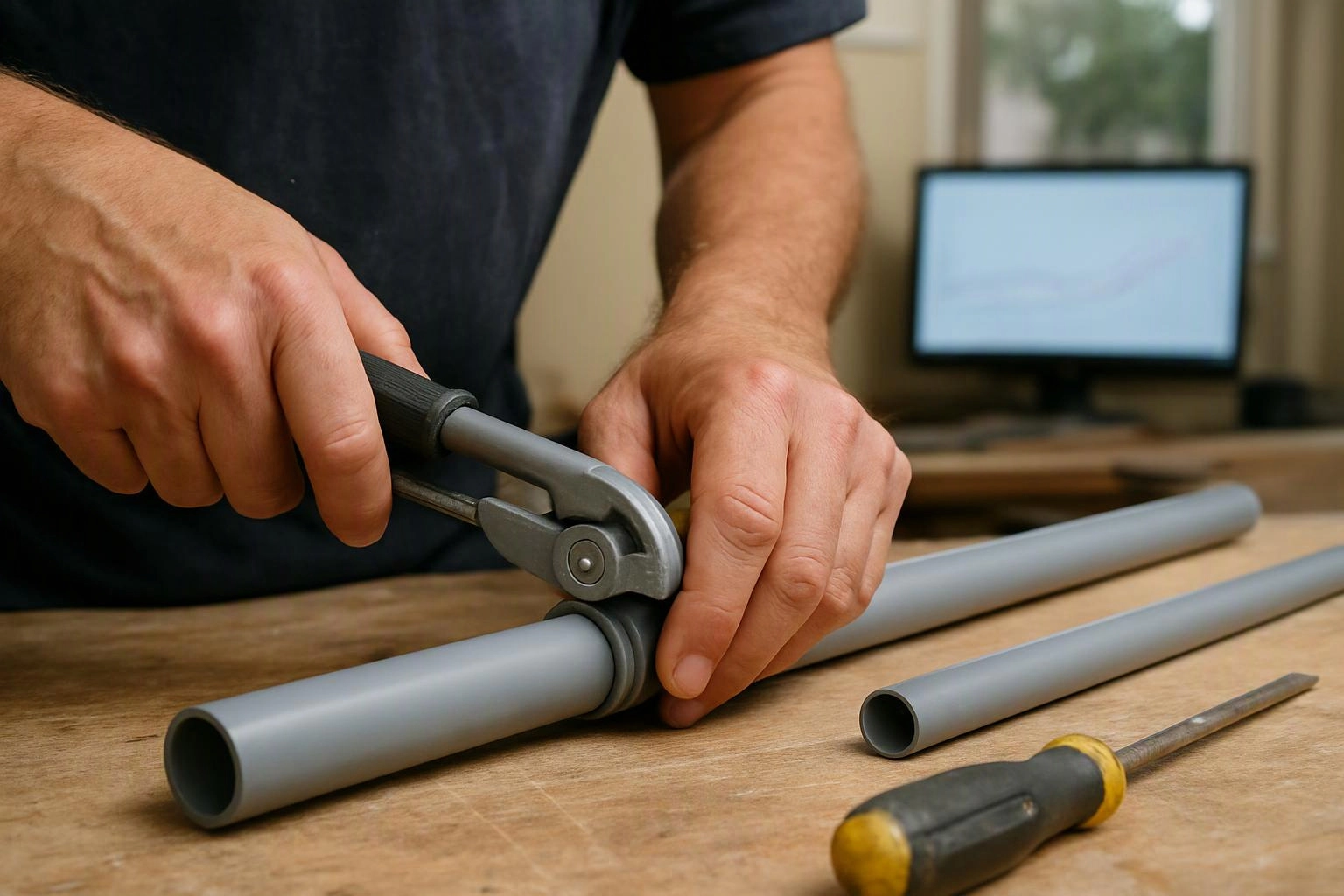
Conduit guides electrical conductors through a planned route while shielding them from physical damage. Wires pass through the raceway after the conduit path is assembled. Fittings connect sections, change direction, or terminate the route at an enclosure.
Related glossary terms: Wire Gauge, Junction Box, Wire Connector.
Electricians select conduit based on the wiring path, surrounding conditions, and the conductors inside it. Rigid metal conduit provides a firm path in exposed areas, while plastic raceway may suit other locations. Pull boxes and junction boxes provide access where the route changes or wiring connections occur. A complete installation keeps the wiring supported, protected, and accessible for service.
From the Service Electric team
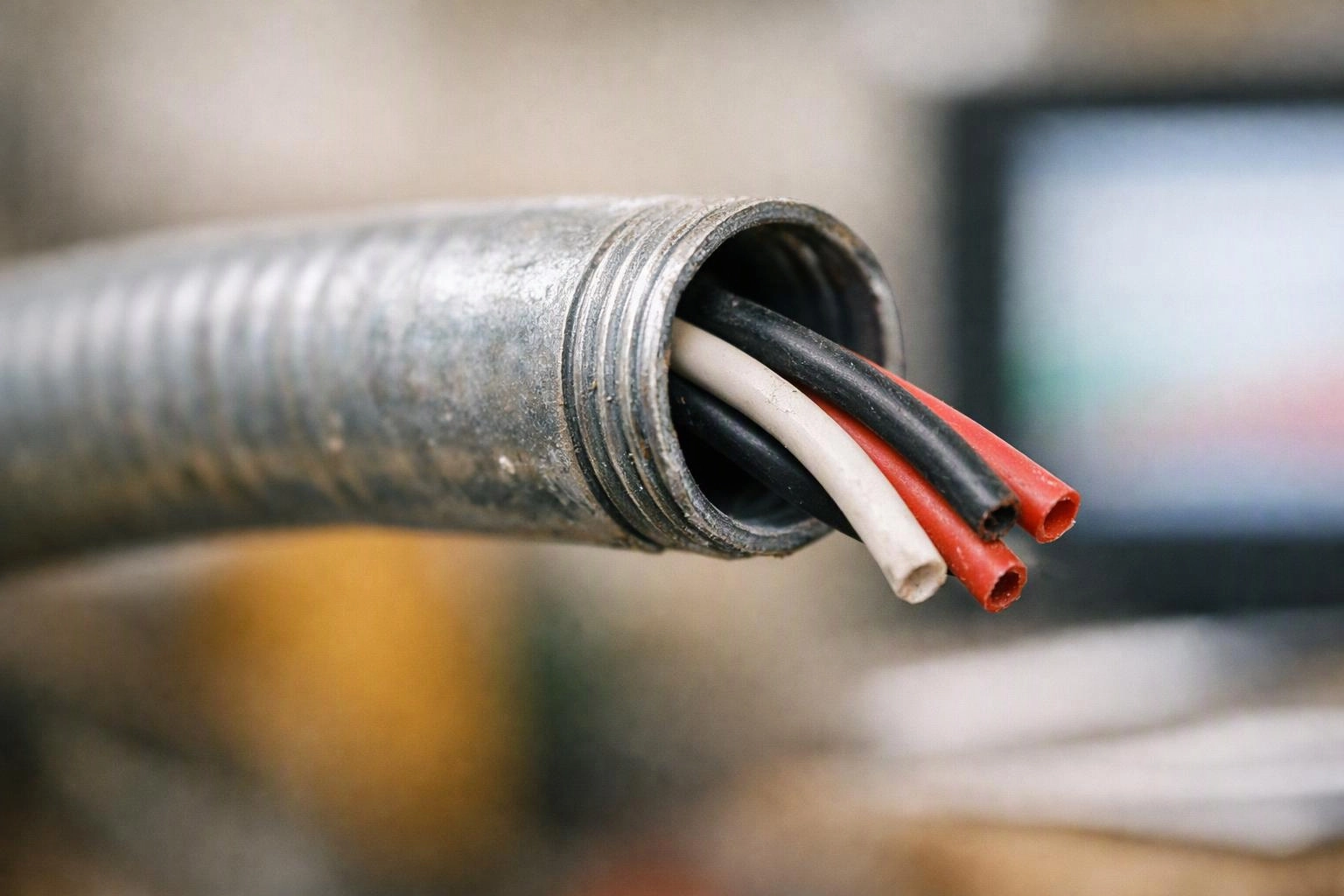
When we install conduit, we plan the route around structural surfaces, equipment, and access points. We check fittings, supports, entry points, and conductor space as one system. Our team also inspects transitions into junction boxes and panels so wiring remains protected throughout the installation.
Conduit in Practice: A Real-World Example
A homeowner adding power to a detached workshop may have conduit routed along the exterior wall and into the building. The conduit protects the wiring along the exposed path and connects to boxes at each end.
Related Services
Related Terms
Wire Gauge
Wire Gauge is a standardized way to describe a conductor’s diameter and current-carrying capacity. The gauge…
Junction Box
A junction box is an enclosed electrical container that protects wire connections where circuit conductors meet…
Wire Connector
A Wire Connector is an insulated device that joins electrical conductors and keeps the connection secure…
Feeder
A feeder is a circuit that carries power from a service disconnect or distribution panel to…
Service Electric
Have Questions About Conduit?
Contact Service Electric for practical guidance on Conduit and related 24 hour electrician work in Victoria.