How can pool lighting be installed safely?
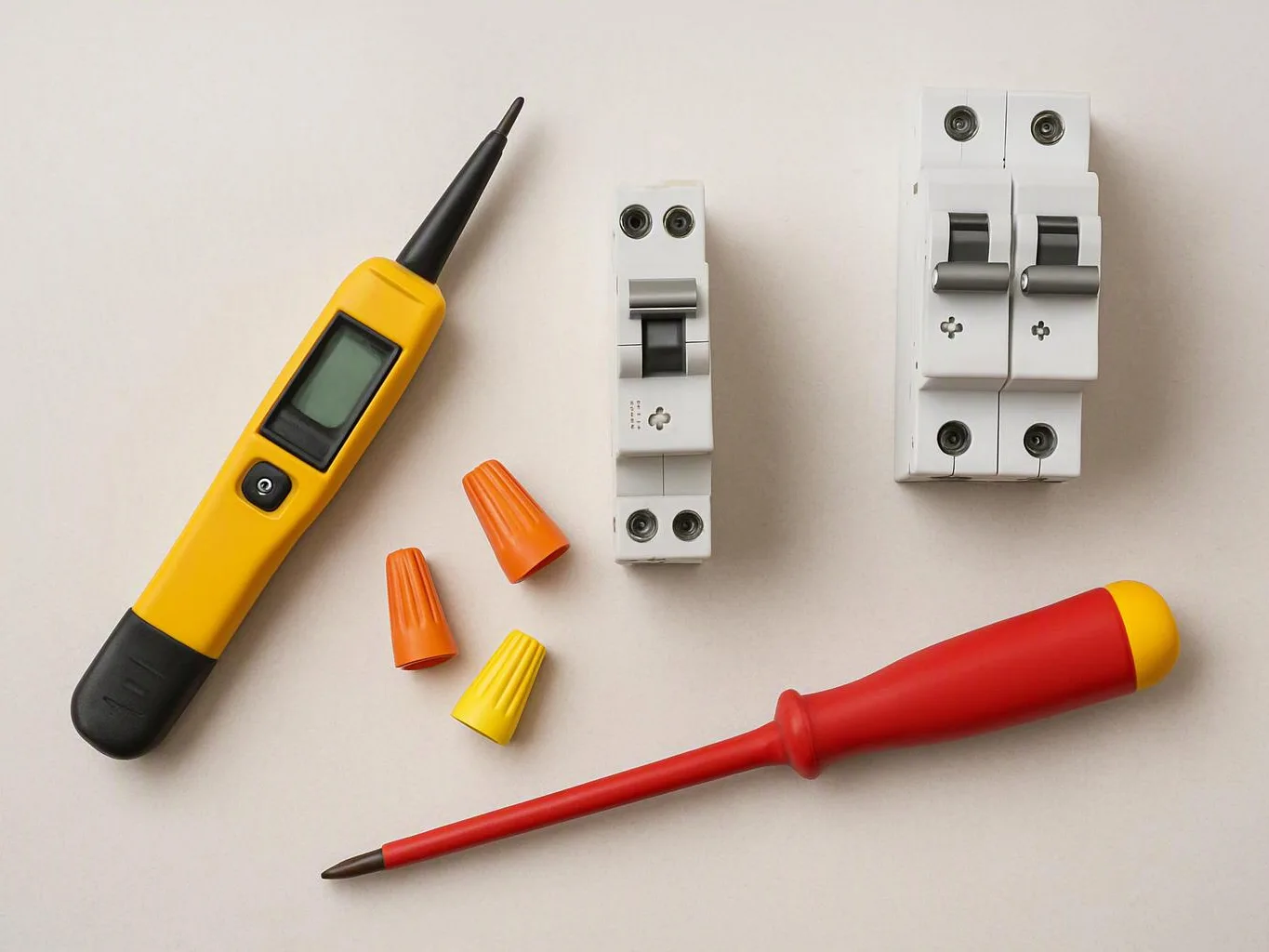
A low-voltage transformer supports safer pool lighting when the circuit, fixtures, conduits, and grounding are planned together. Service Electric reviews the pool layout and electrical source first. We then connect suitable underwater or wet-niche fixtures, inspect sealed conduits, and test the finished circuit before explaining the work to the property owner.
What should be ready before pool lighting work starts?
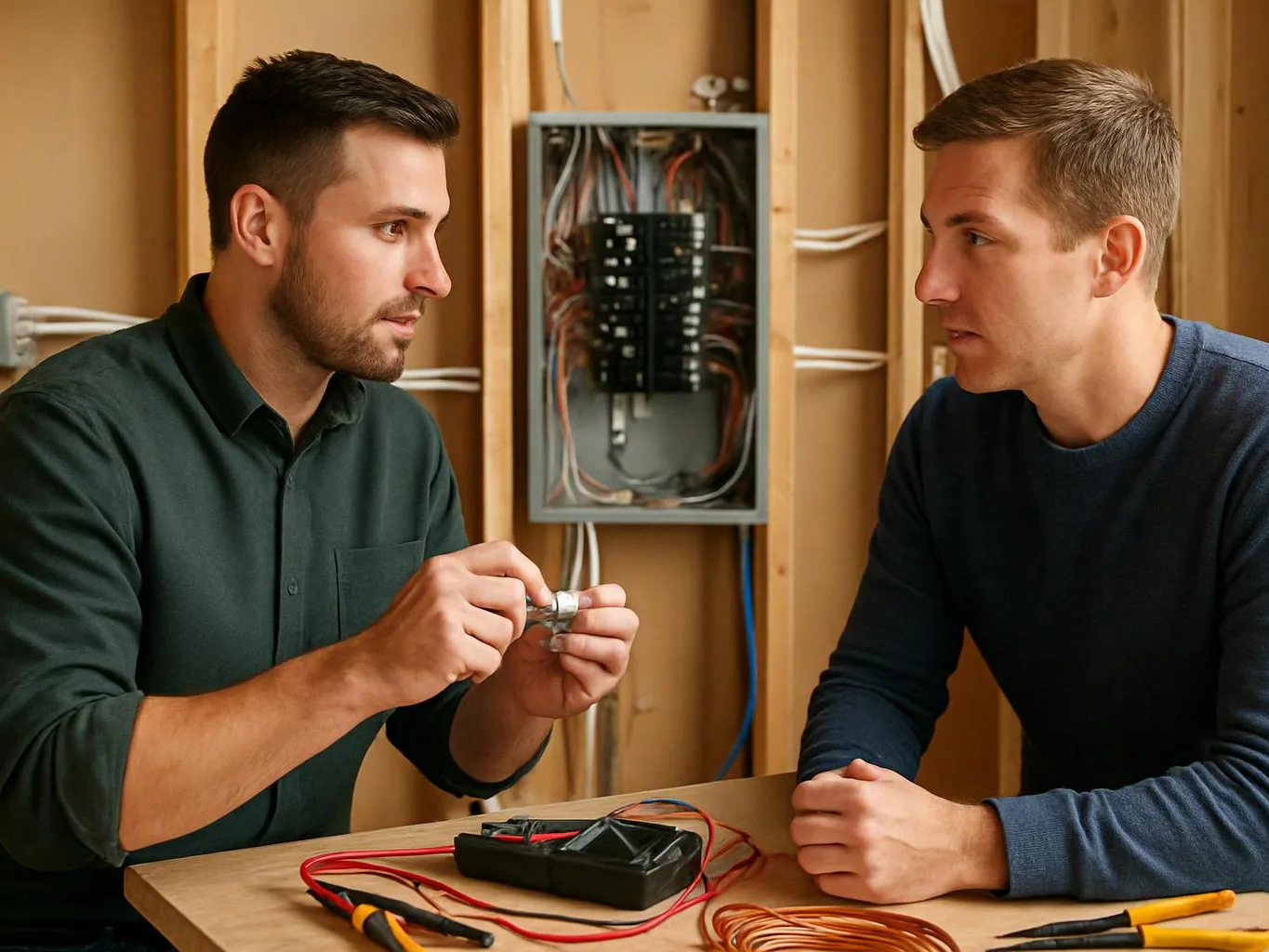
The pool layout, fixture locations, panel access, and existing lighting details should be ready before work starts. Clear access helps us trace the circuit and inspect the grounding path. Photos of the panel and pool equipment can also help us prepare the assessment and identify questions before the quote.
Which property condition changes the time for pool lighting installation?
The existing wiring path changes the work time when it is damaged, hard to trace, or unsuitable for wet areas. We also check panel capacity, conduit access, fixture locations, and grounding. A clear route supports a simpler scope, while concealed or damaged wiring may require more electrical work before the lights can be connected.
What should a customer ask before agreeing to pool lighting work?
A customer should ask which fixtures will be installed, where the circuit will connect, how the wiring will be protected, and what testing is included. We explain the planned conduit route and grounding review before work begins. The quote should also identify any panel, wiring, or access issue that changes the scope.
When does a pool light need electrical inspection?
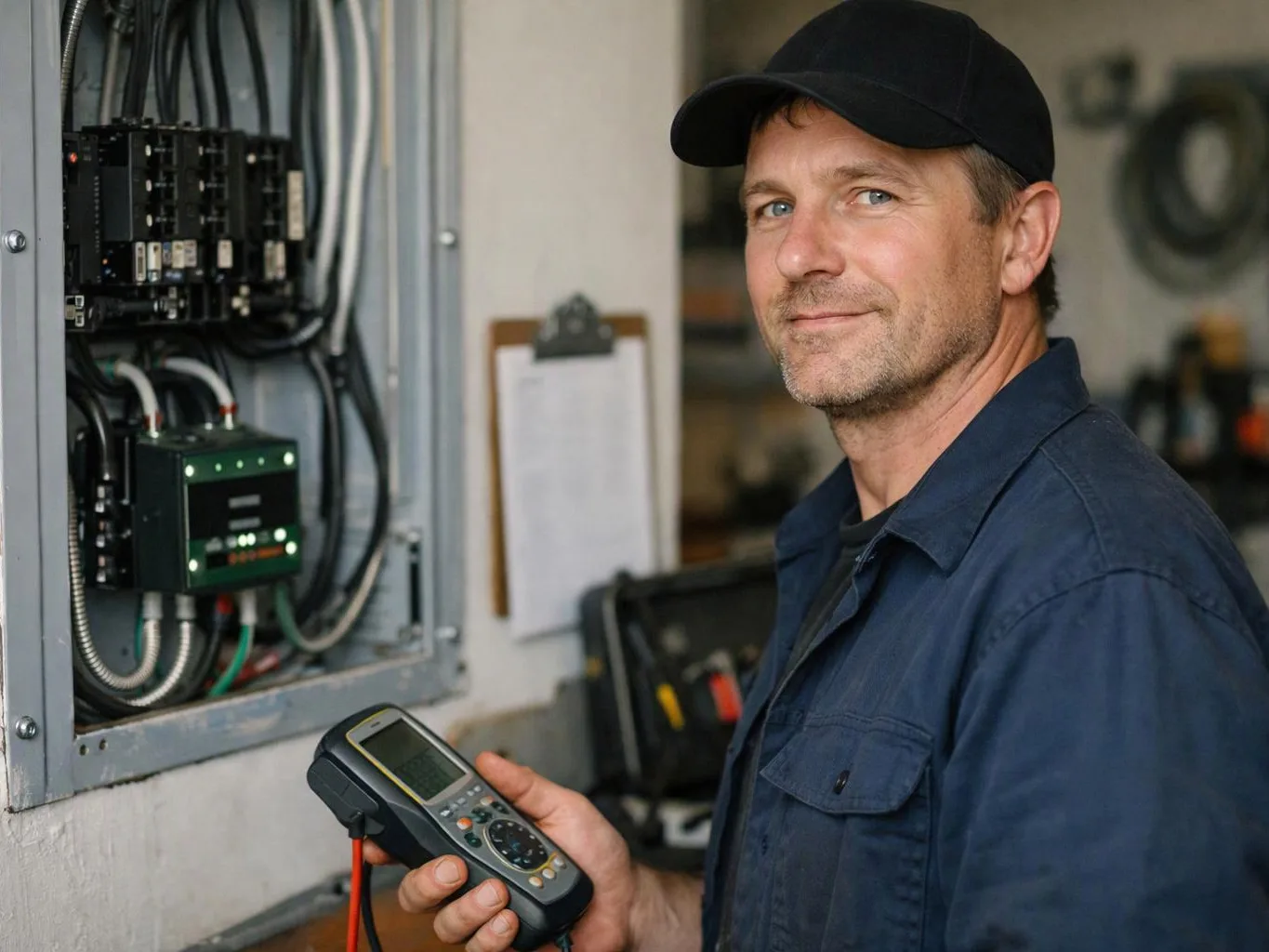
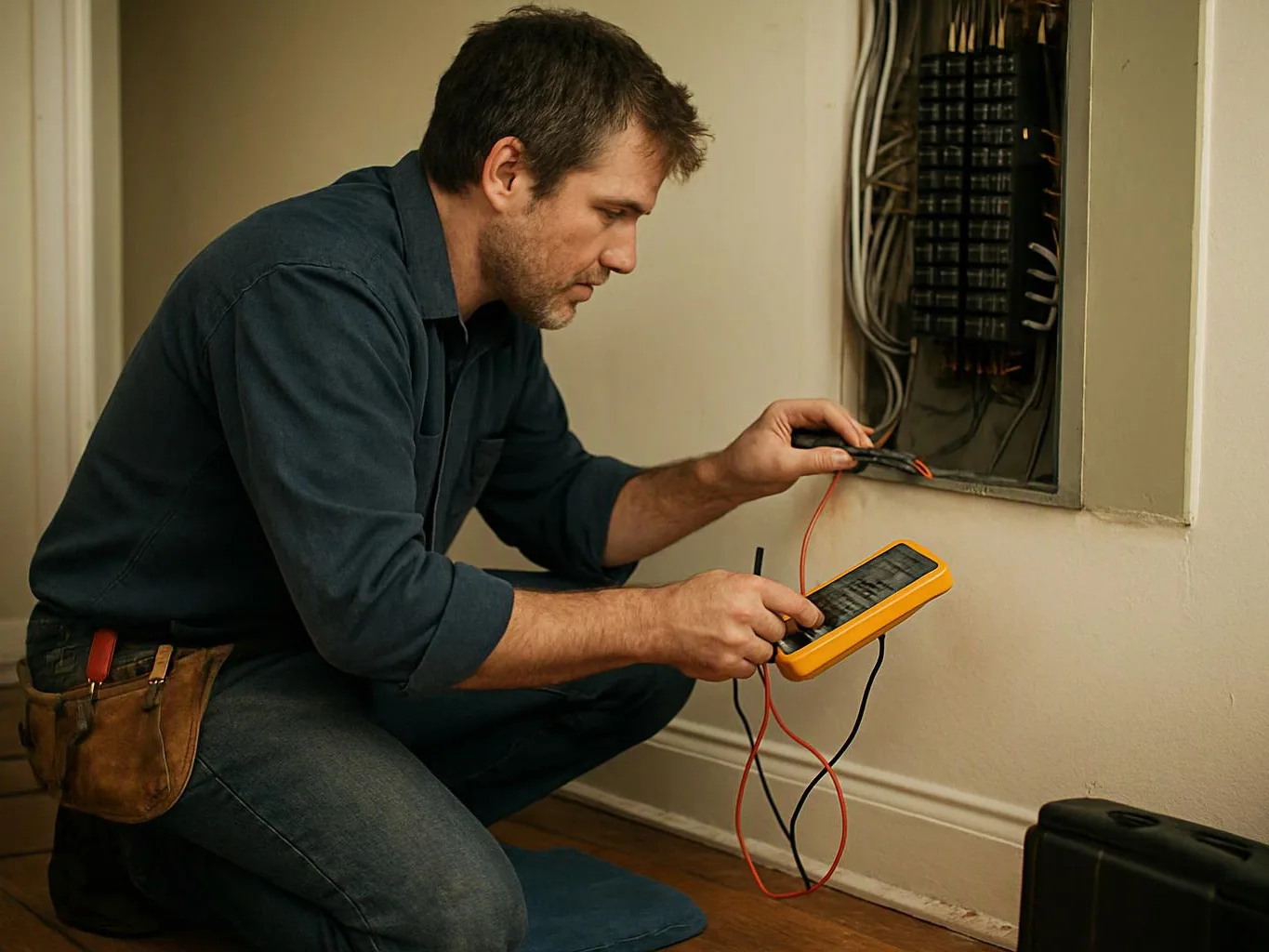
A pool light needs electrical inspection when it flickers, stops working, shows moisture, trips a breaker, or is being replaced. Our inspection checks the fixture, circuit, conduit, panel connection, and grounding path. Keep damaged lighting switched off until we assess the electrical condition.
Why does a pool light keep tripping the breaker?
A pool light may trip the breaker because of damaged wiring, moisture, a faulty fixture, or a circuit problem. We isolate the lighting circuit and test the fixture, conduit, connections, and panel before choosing a repair. Repeated trips need attention because resetting the breaker doesn't identify the cause.