What testing methods are used during an electrical inspection?
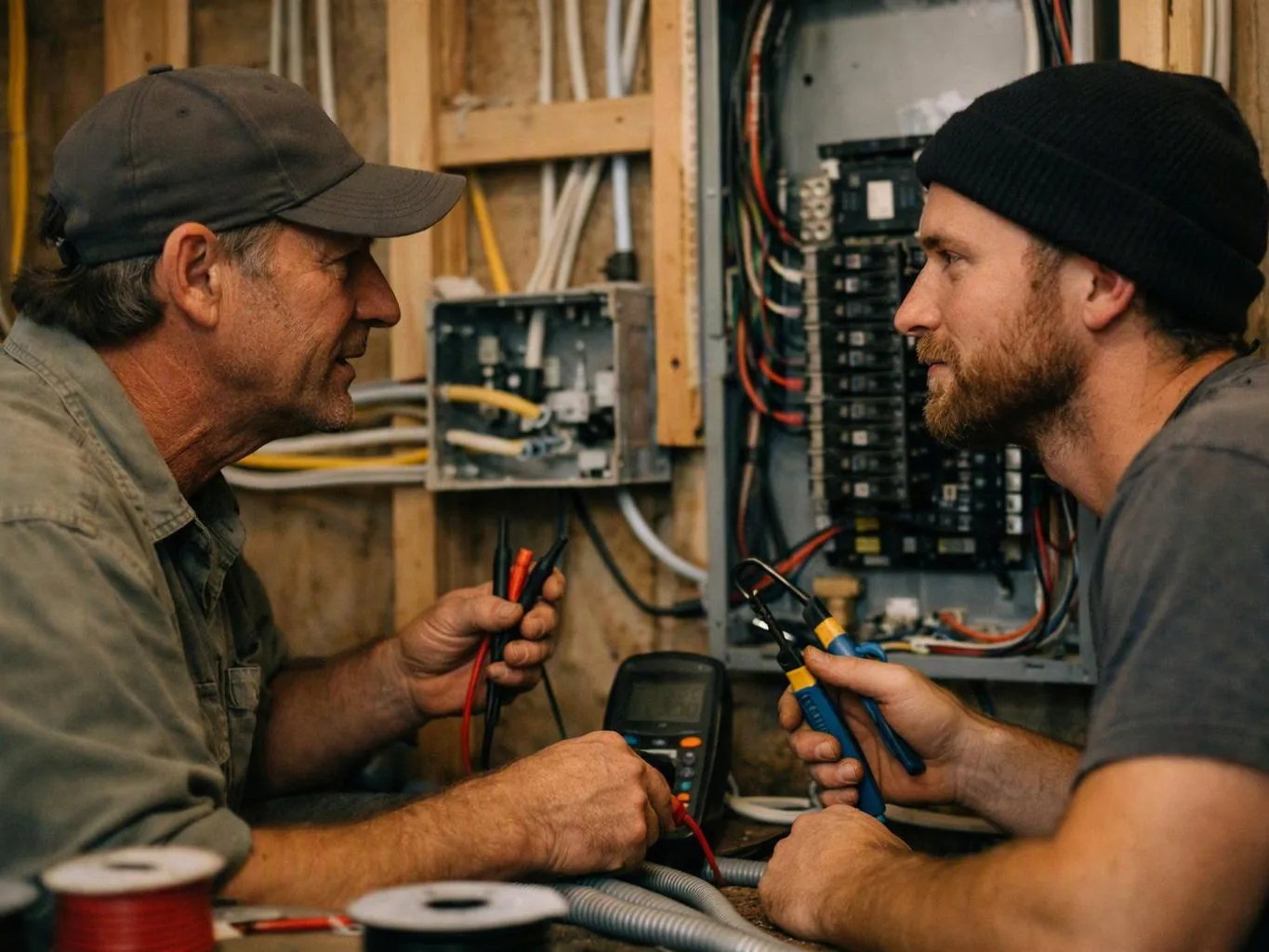
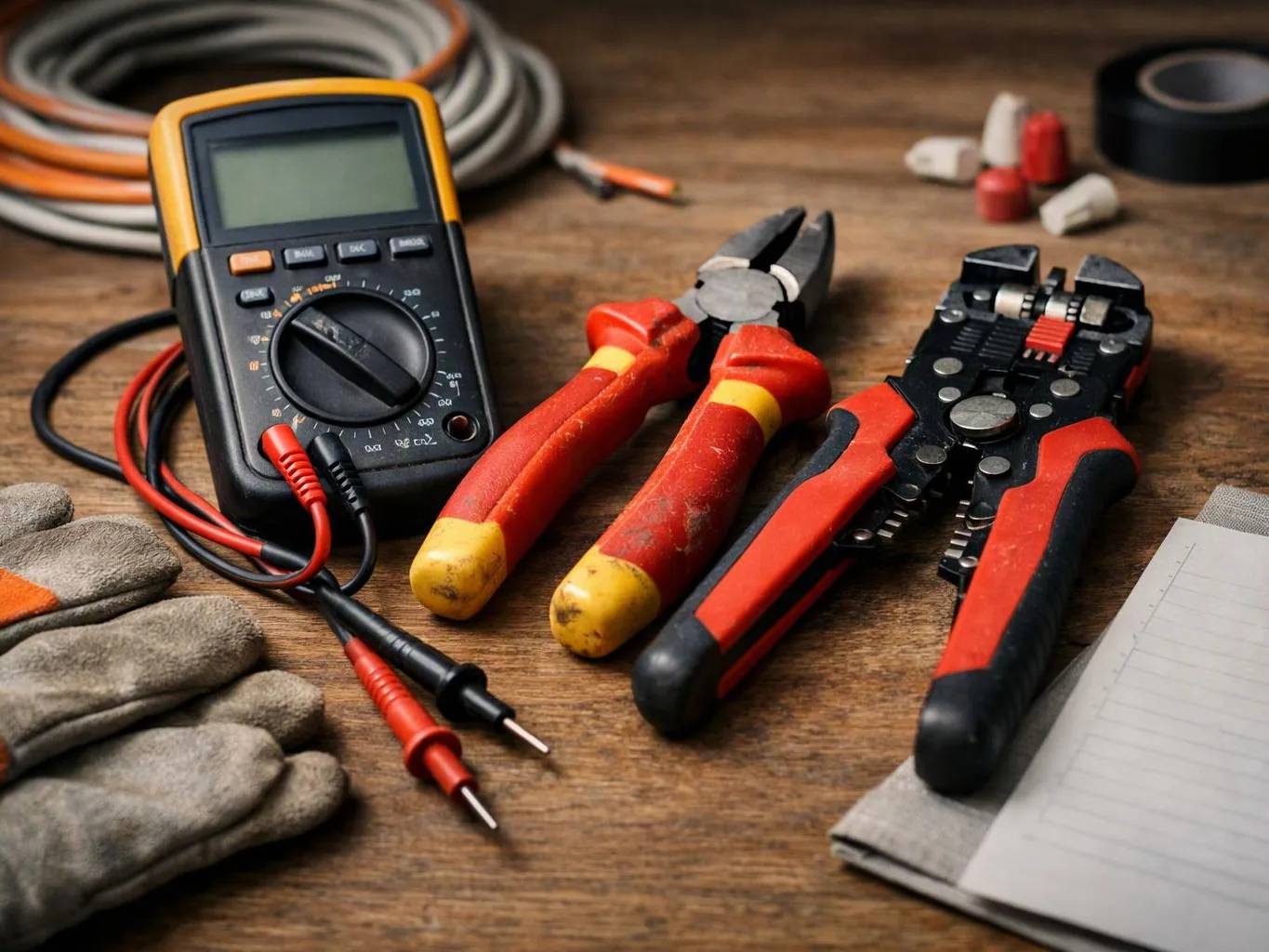
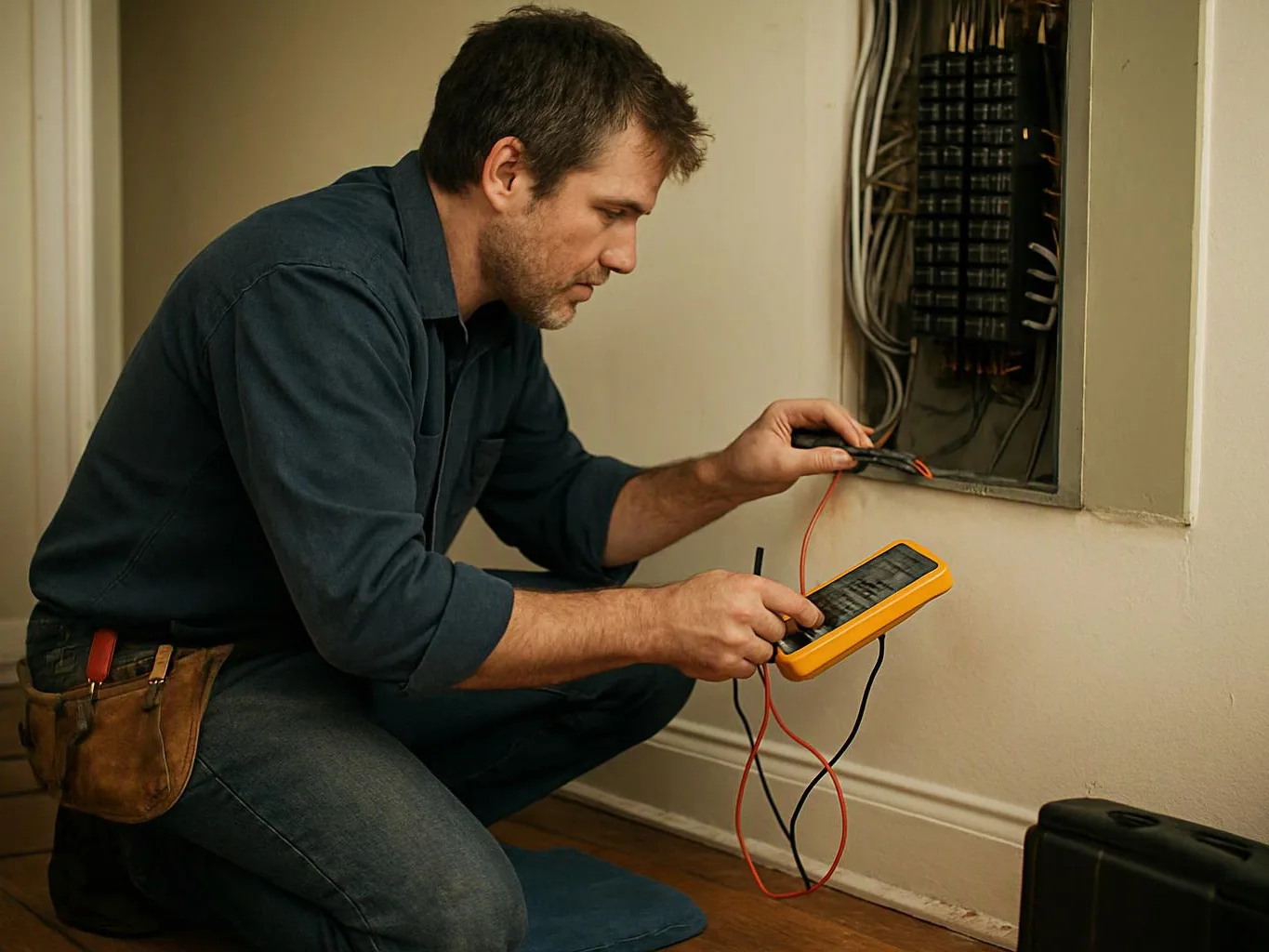
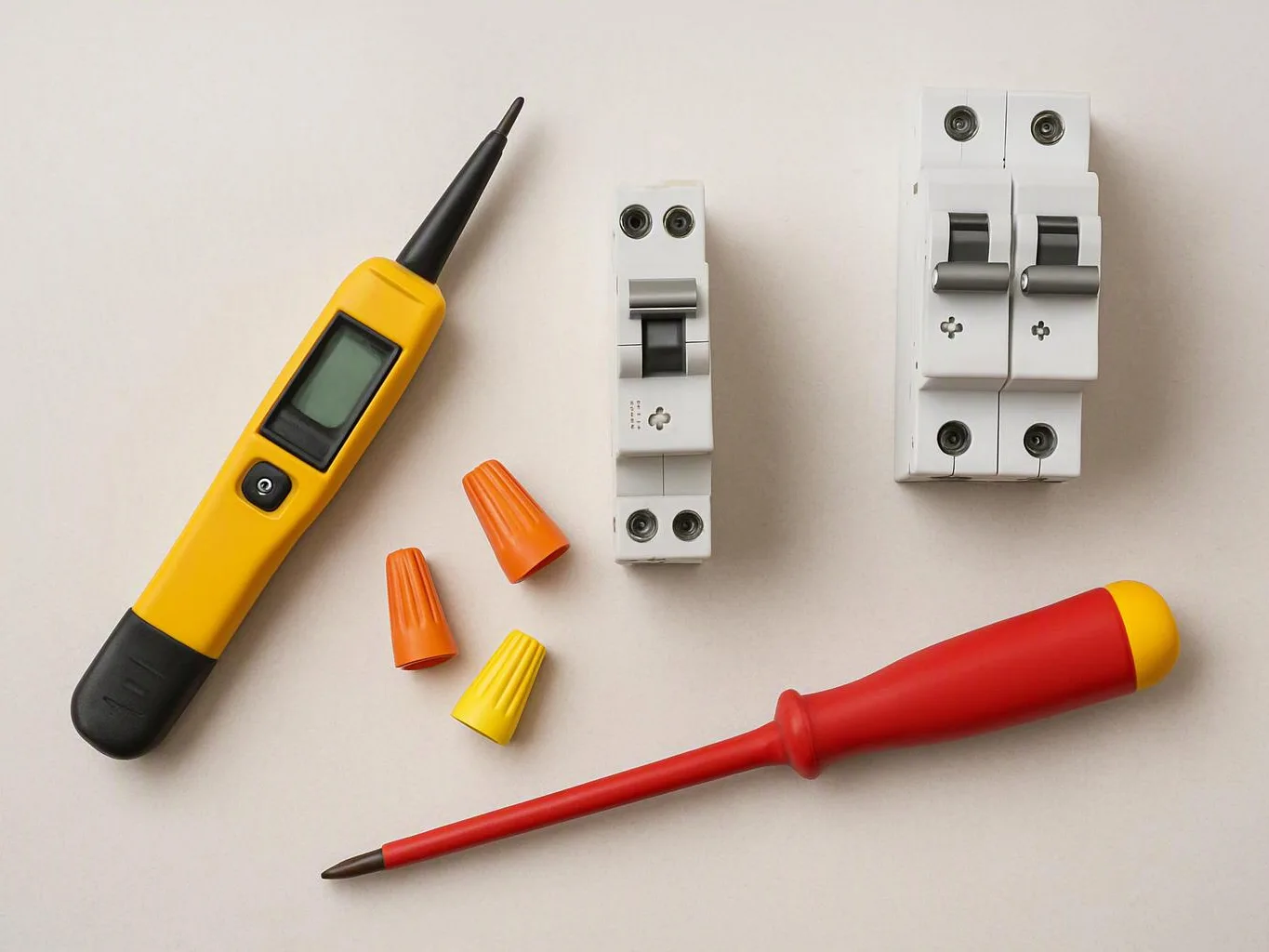
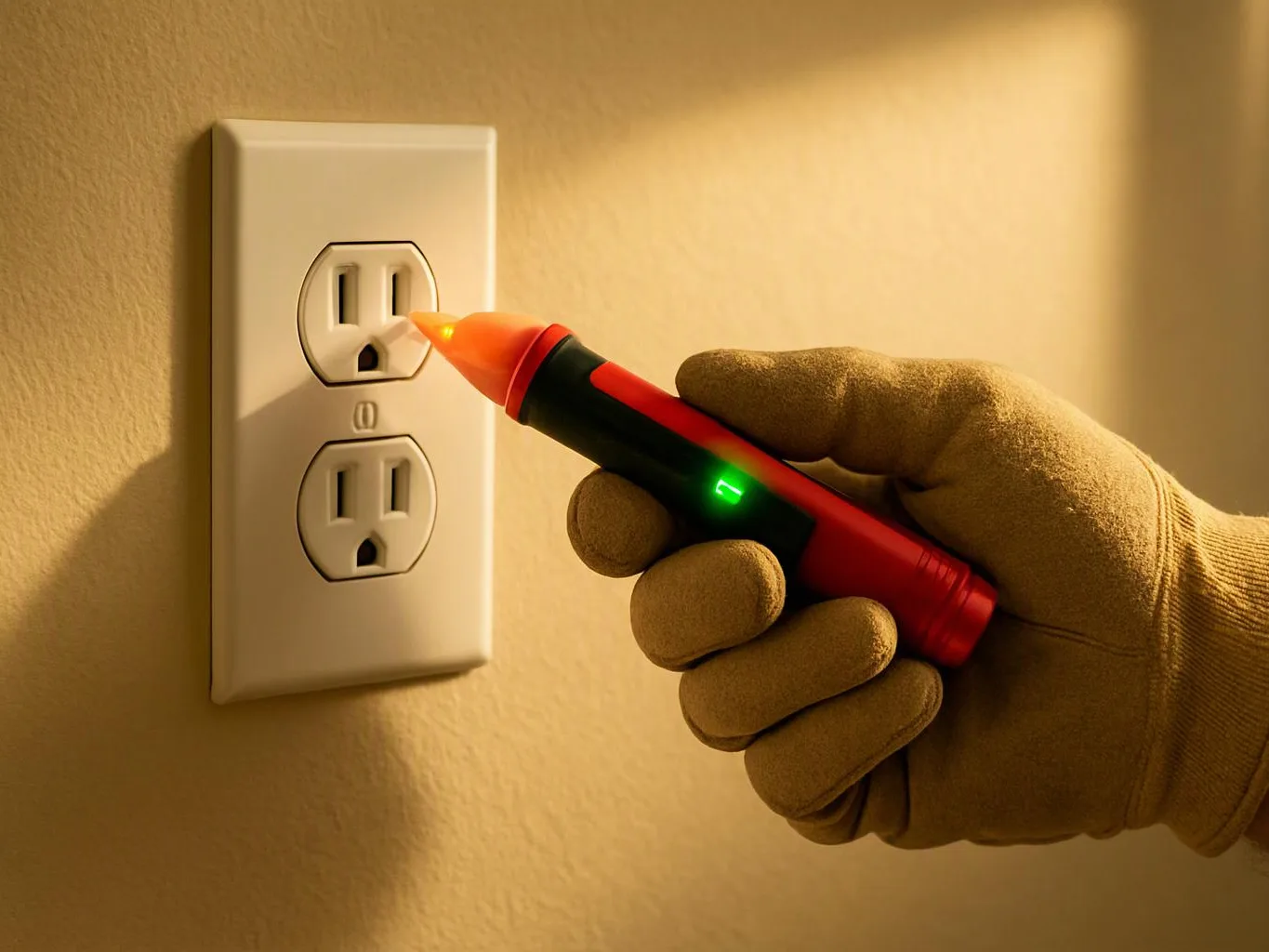
Thermal scanning is used with voltage, GFCI, continuity, and polarity testing when those methods fit the reported concern. Service Electric uses these checks to examine heat, power flow, protection, circuit paths, and outlet connections. Circuit tracing may follow when panel labels are unclear. We explain each finding before discussing repair or upgrade work.
What does the crew look at first during an electrical safety inspection?
The reported symptom and the electrical panel receive the first review. We check for visible damage, heat, loose connections, breaker concerns, and signs of overload. The inspection then follows the affected circuit to outlets, switches, wiring, or equipment. Keep the panel and affected areas accessible before the appointment.
What should be checked before an inspection is scheduled?
The property owner should note the affected room, device, breaker, and symptom before scheduling. Photos of a panel label or damaged outlet can help describe the concern. Do not remove covers or handle exposed wiring. Tell us about flickering lights, dead outlets, buzzing, heat, sparks, or a burning smell.
Who is a good fit for an electrical safety inspection?
Homeowners, landlords, buyers, business operators, and property managers are good fits when they need a system safety review. The service also suits recurring symptoms that need diagnosis. An active sparking outlet, burning smell, or exposed live wiring needs urgent electrical service and safe isolation before a planned inspection.
Which findings can lead to a panel upgrade?
A panel upgrade may be considered when the panel shows damage, lacks needed capacity, or cannot support the property load safely. The inspection does not decide on an upgrade from one symptom alone. We review the panel, connected circuits, equipment needs, and wiring condition before discussing that separate project.
How does circuit tracing help with a safety inspection?
Circuit tracing identifies which breaker controls an outlet, switch, or equipment point. The method helps when labels are missing, incorrect, or unclear during a reported fault. We use the traced path to focus testing and explain which circuit needs repair, replacement, or further review.
Why should a property owner request an inspection before a sale?
A pre-sale inspection gives the owner a clearer view of electrical conditions before repair decisions are made. We check accessible panels, outlets, switches, wiring, grounding, and GFCI protection. The findings help separate safety work from optional upgrades and give buyers or owners a factual basis for planning.