When should renovation plans include an electrical safety inspection?
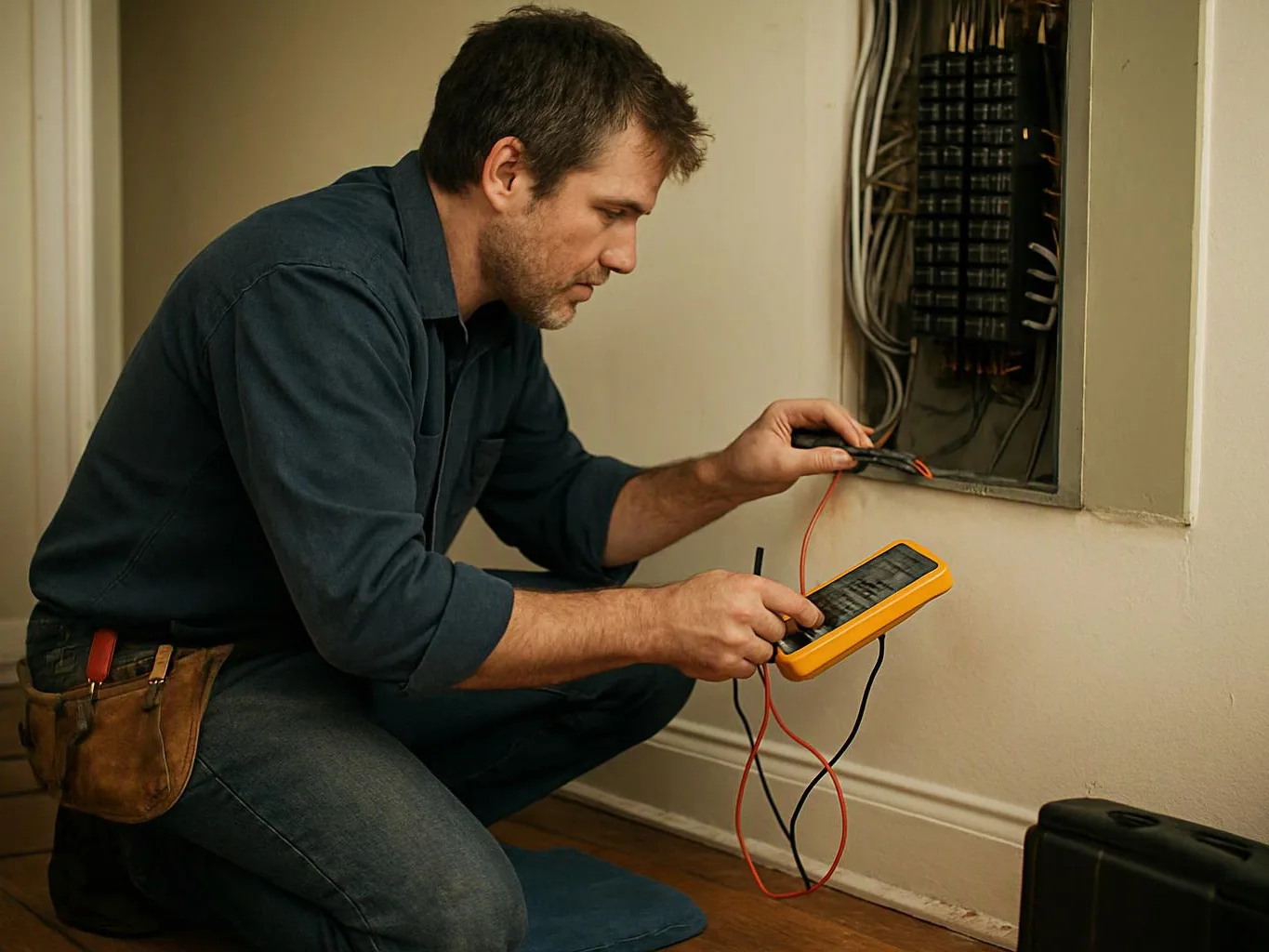
Renovation plans should include an electrical safety inspection before new circuits, lighting, or walls are installed. Service Electric checks the existing system against the planned work.
The inspection can reveal panel limits, grounding concerns, damaged outlets, and unclear circuit paths. Early findings help define repair or upgrade work before construction moves ahead.
How is the inspection matched to my property before work starts?
The property layout, planned electrical changes, visible symptoms, and accessible equipment shape the inspection scope.
We discuss the renovation areas first, then review the panel, circuits, outlets, switches, and visible wiring connected to that work. A property with frequent trips needs a different focus than one receiving only new lighting.
What should be ready before the inspection starts?
The planned renovation areas, known electrical symptoms, and access to the panel should be ready before the inspection begins.
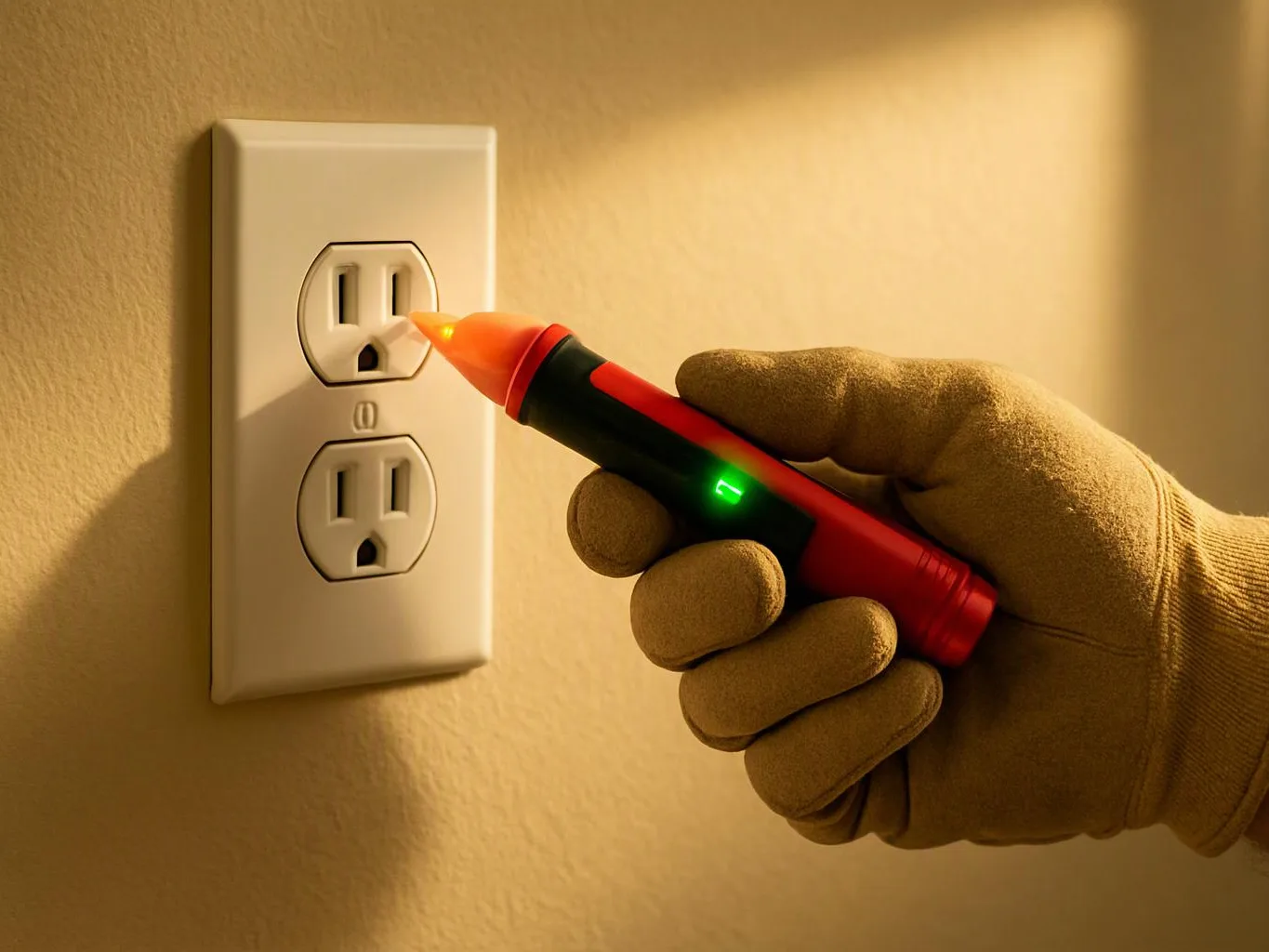
Please identify outlets that are dead, warm, loose, or sparking. Share any planned appliances, lighting, fans, or added circuits so the inspection can address the electrical demand.
Which warning signs make an inspection more urgent?
A burning odor, buzzing panel, sparking outlet, or repeated breaker trip makes electrical assessment more urgent.
Turn off the affected circuit when it is safe to do so, and keep people away from damaged parts. We inspect the condition and explain whether repair or emergency electrical service is needed.
What should I ask before agreeing to an inspection?
Ask which electrical areas will be checked, what access is needed, and which findings require separate repair work.
You should also ask whether circuit tracing, grounding checks, or load review fit the planned renovation. Clear answers help you understand the inspection's scope before work begins.
Why does a panel check matter before adding new circuits?
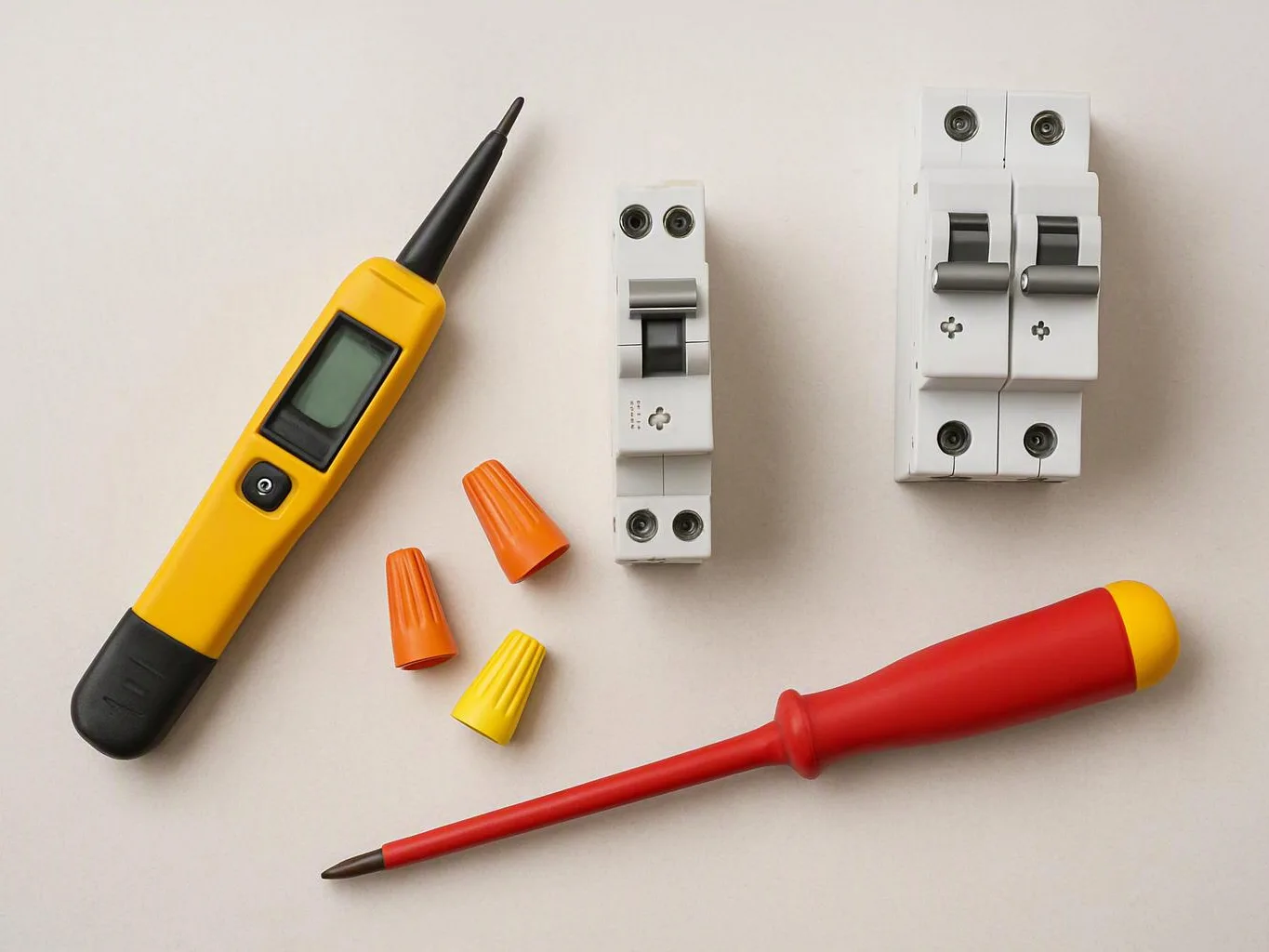
A panel check shows whether the service and breaker arrangement can support added electrical demand.
We look for damaged breakers, heat, poor labeling, crowded connections, and signs that the planned load needs a panel upgrade or service change. The inspection doesn't approve work outside the property's electrical system.
How does circuit tracing help with older wiring?
Circuit tracing identifies which breaker controls each accessible outlet, switch, or fixture.
That information helps us isolate faults and plan new work without relying on incorrect labels. We also note visible wiring concerns, but concealed wiring can require added access or separate diagnostic work.