Where should smoke detectors be installed in a home?
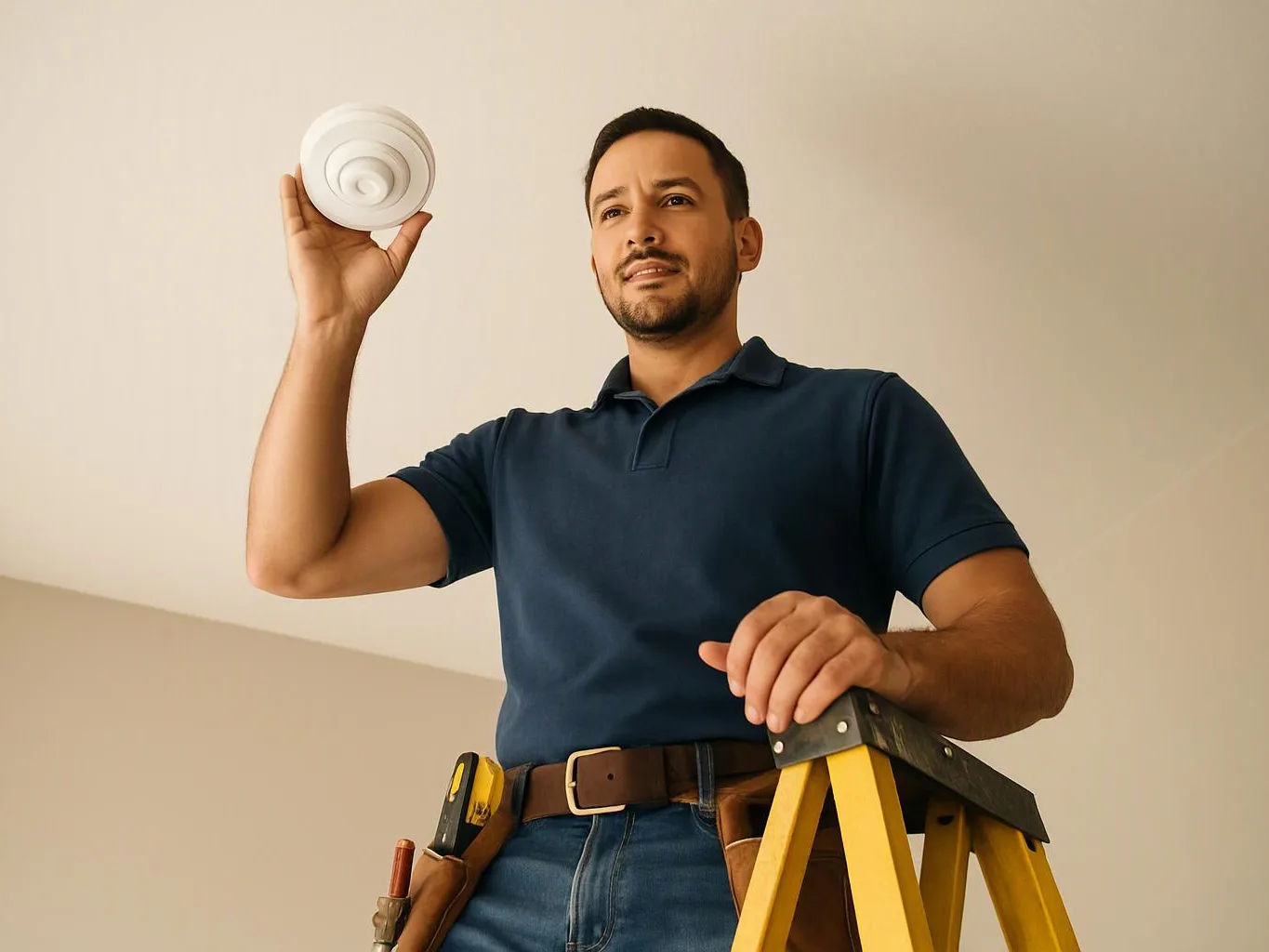
Sleeping areas should have smoke detectors nearby, with additional units along hallways and stairways. Service Electric reviews the layout, ceiling access, wall space, and existing wiring before mounting each alarm. We then test the installed devices and explain any placement concern that needs further electrical work.
Which material changes how long smoke alarm installation takes?
The mounting surface and existing wiring affect the installation work. A finished ceiling, hard wall, or inaccessible connection can require more preparation than an open, ready mounting point. We inspect the surface and connection first, then include the needed access or repair work in the quote.
How does a smoke alarm installation visit move from the first call to the last step?
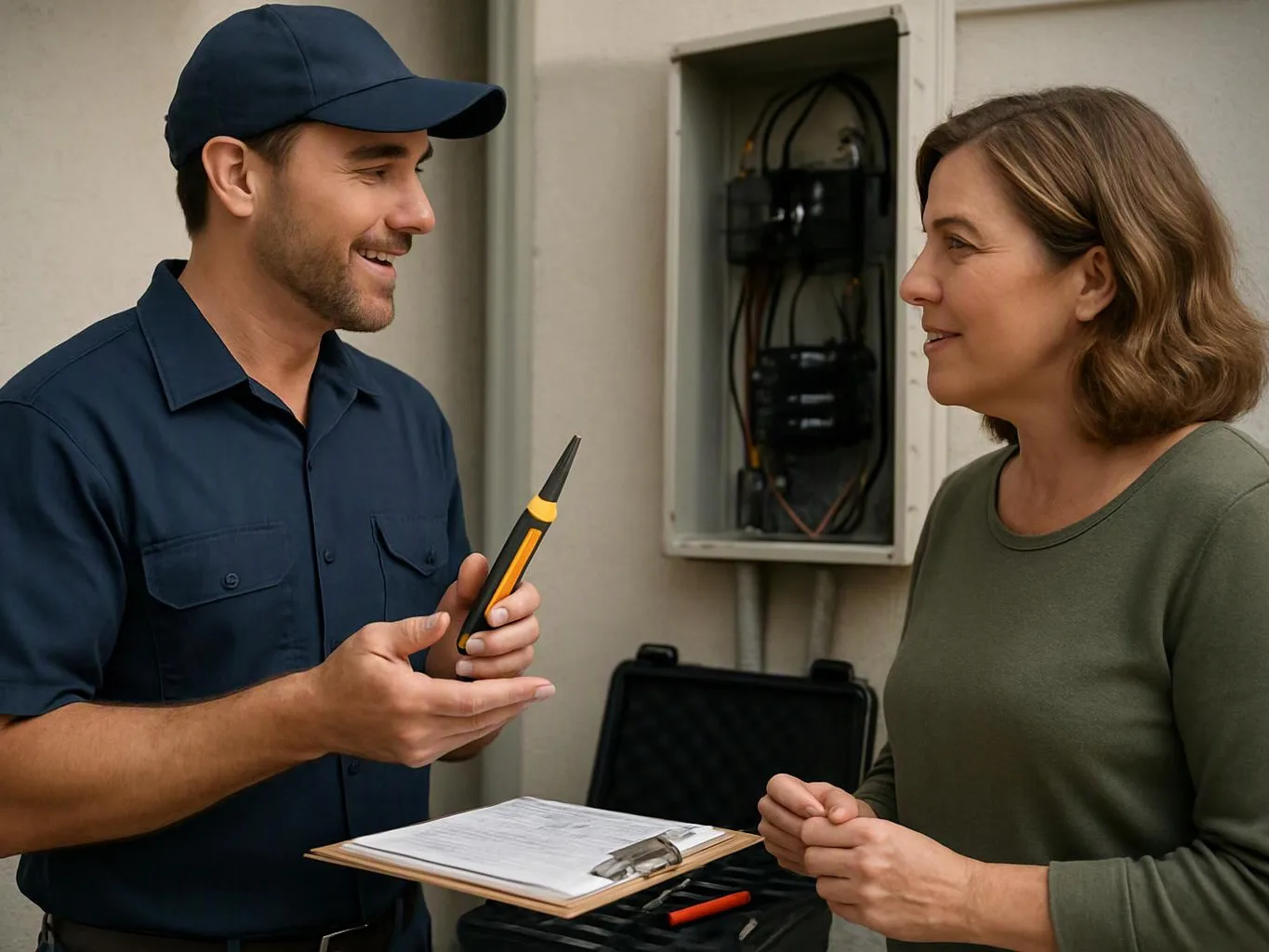
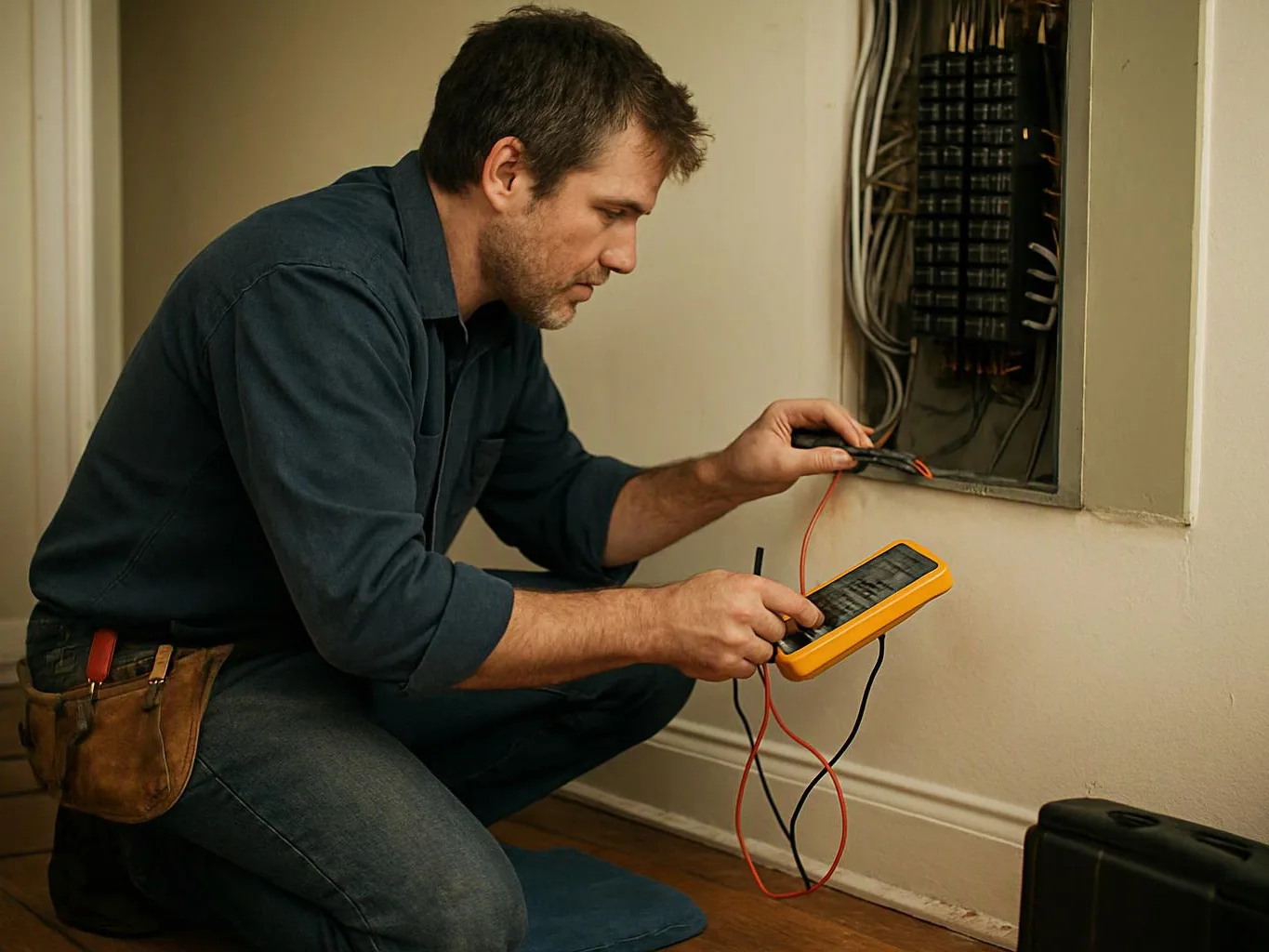
The visit moves from a property review to placement, mounting, connection checks, and testing. Customers explain the building’s use and any alarm concerns first. We inspect the selected points, complete the installation, test each detector, and discuss related electrical repairs when the check finds them.
How can a customer tell whether smoke alarm installation fits the property?
Smoke alarm installation fits a property that needs new detectors, better placement, replacement mounting, or testing. A broader electrical repair fits better when the main issue involves a panel, circuit, outage, or damaged wiring. We assess the concern and explain which service matches the condition.
What changes the quote for smoke alarm installation?
The number of detectors, mounting access, ceiling or wall material, existing wiring, and related repairs change the quote. A property with ready connections needs a different scope from one that requires circuit work. We review those factors before giving the customer a project-specific quote.
When should a property owner request new smoke detectors?
A property owner should request new detectors after a remodel, during a move, after an inspection, or when an alarm no longer works. We check the current layout and device condition before recommending installation. Customers should seek urgent electrical help when alarms sit near a burning smell, sparking outlet, or buzzing panel.
Why does detector placement matter near stairways?
Stairways connect multiple levels, so detector placement there supports warning coverage along a main travel path. We inspect the stairway opening, nearby ceiling, wall space, and access before mounting an alarm. The final choice still depends on the property layout and the condition of the mounting point.