What outdoor lighting is suitable for my yard?
Spotlights suit focused lighting for trees, walls, signs, and entry features. Pathway lights guide walking areas, well lights add ground-level detail, and step lights improve stair visibility. We match the fixture type to the area, viewing direction, and available electrical connection before installation.
How is the lighting plan matched to my property before work starts?
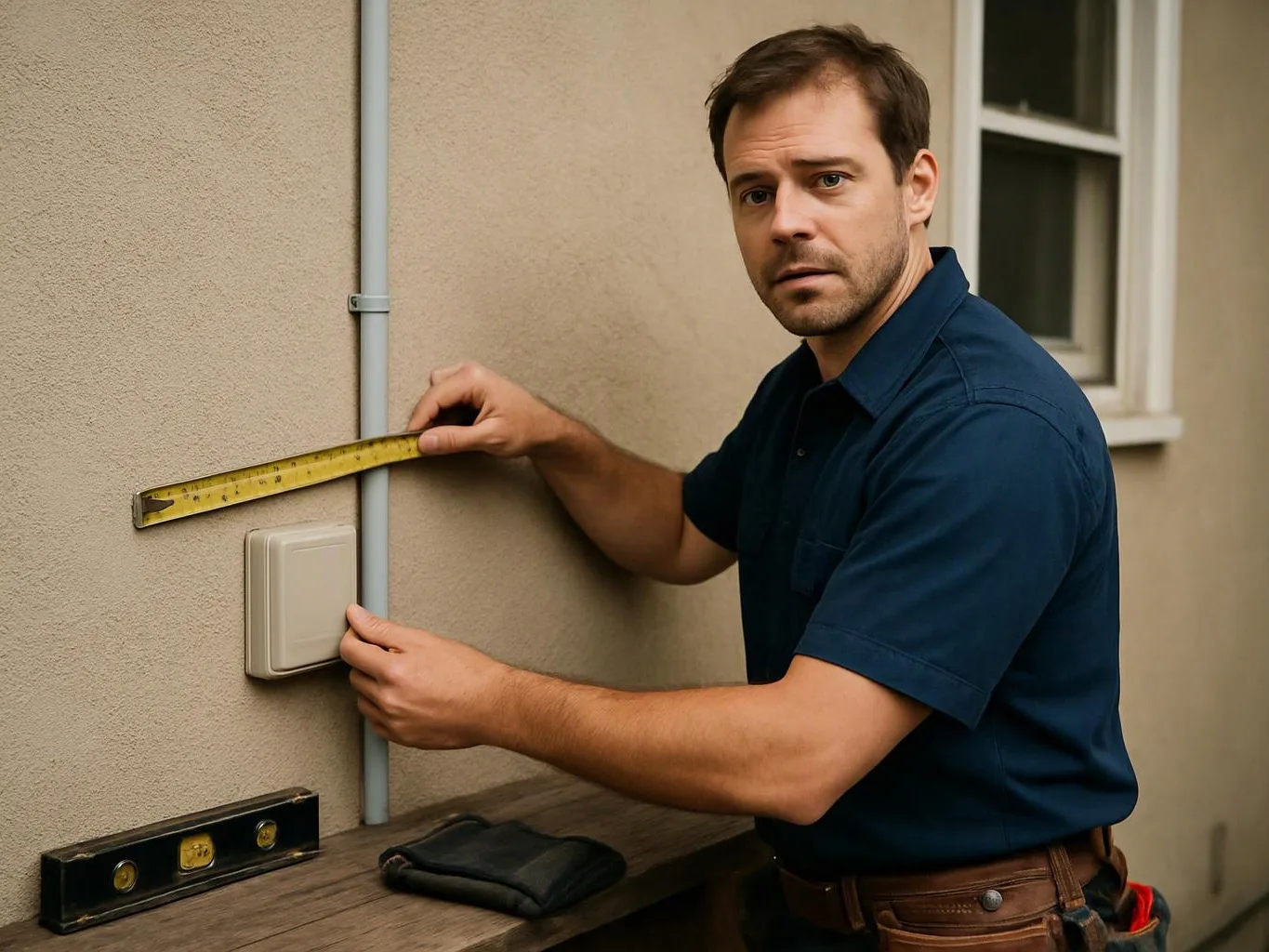
The lighting plan matches fixture type and location to the property’s use, viewing angles, access, and power route. We inspect the proposed areas and discuss the goal for each fixture. That review helps separate new installation work from repairs to outlets, switches, or existing wiring.
Which property condition changes the installation work?
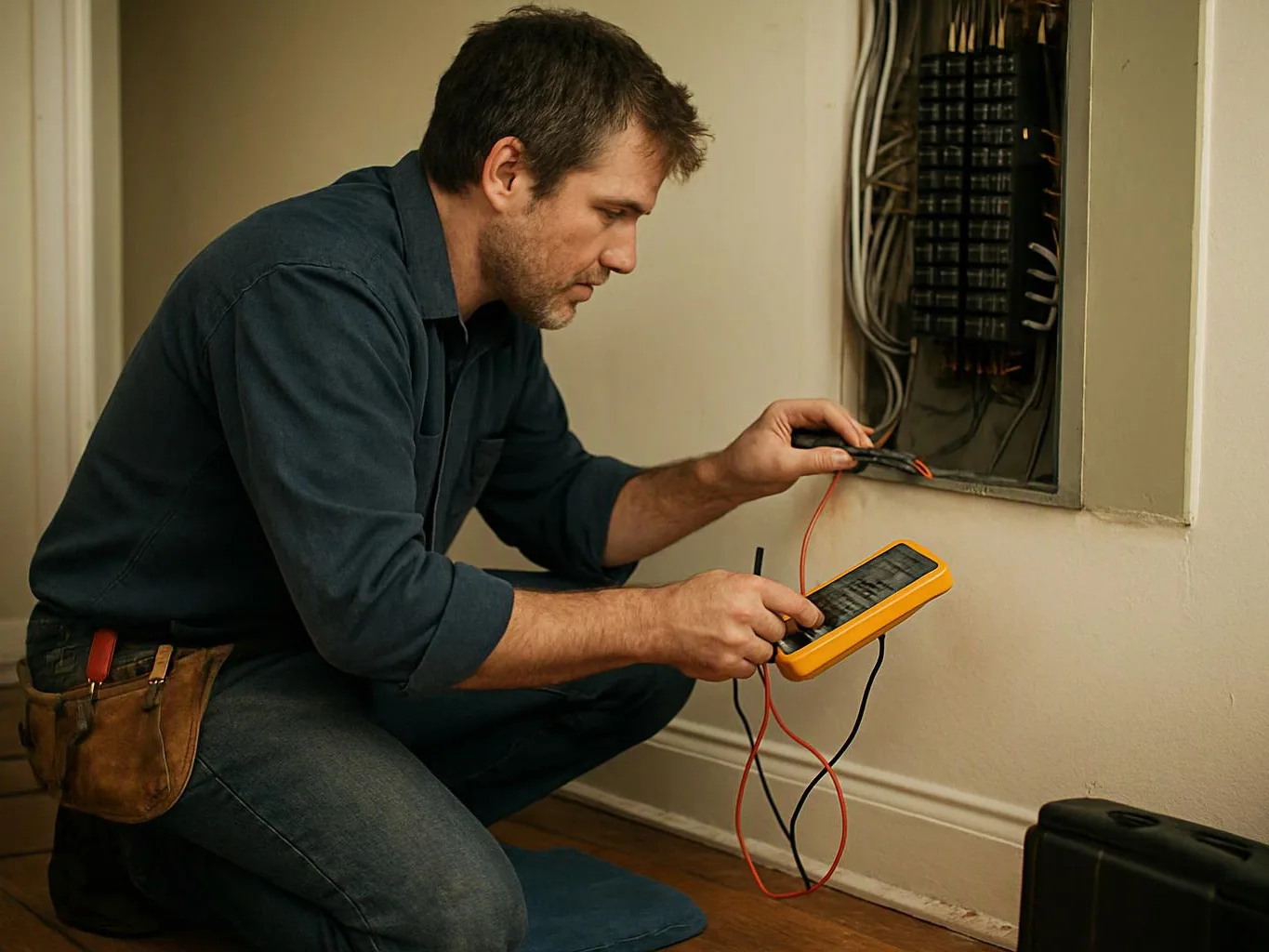
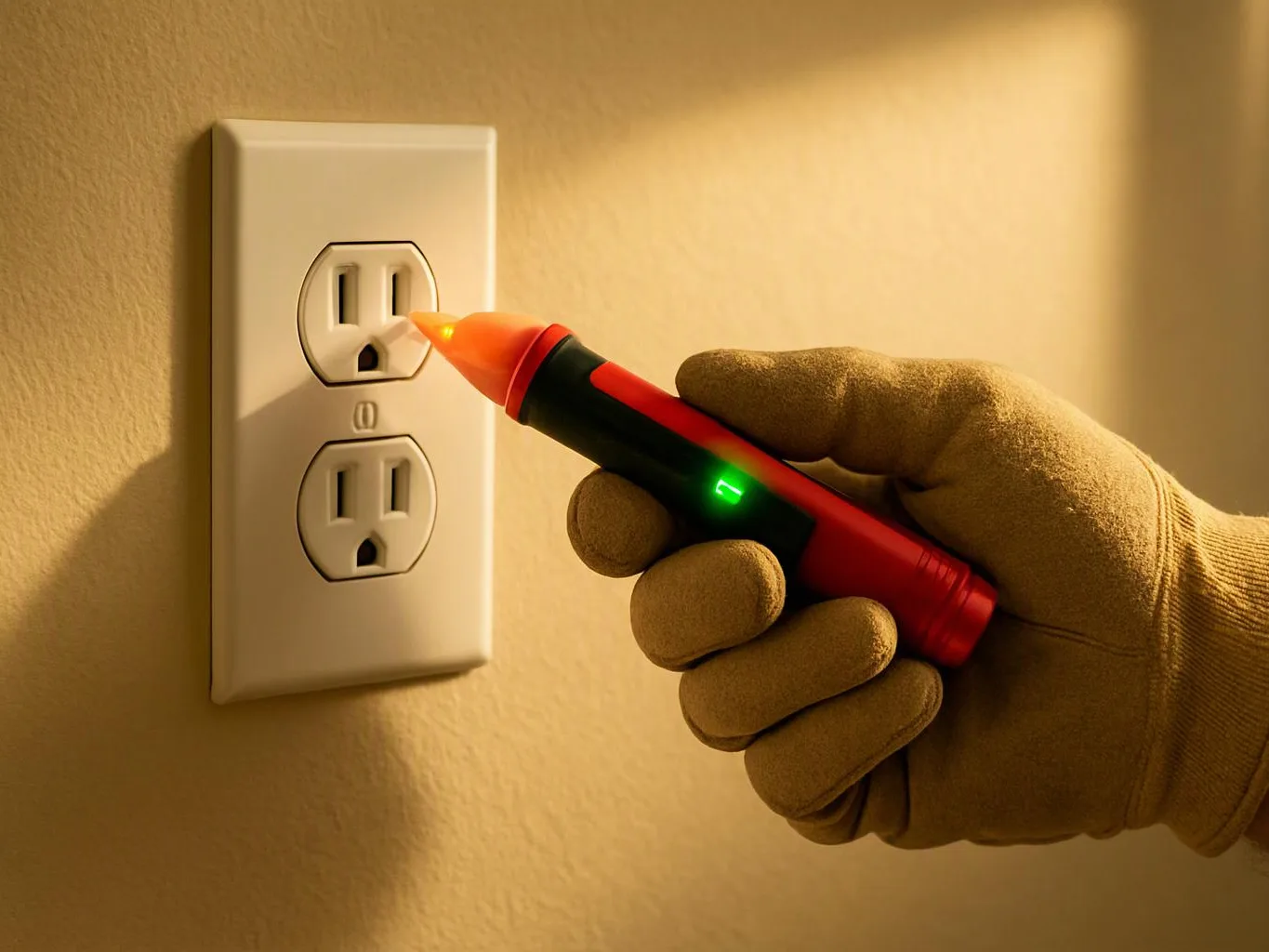
The condition of existing wiring, outlets, switches, and circuits can change the installation work. We inspect those parts before connecting new fixtures. Damaged wiring or a circuit issue needs repair as part of the electrical scope, while a sound circuit supports the planned lighting work.
What should be ready before outdoor lighting starts?
The property owner should identify the areas that need light and the purpose for each area. A clear fixture plan helps us review access, power, and wiring routes. We then confirm the work scope, inspect the electrical connection, and explain any repair needed before installation.
Why do landscape lights trip a breaker after installation?
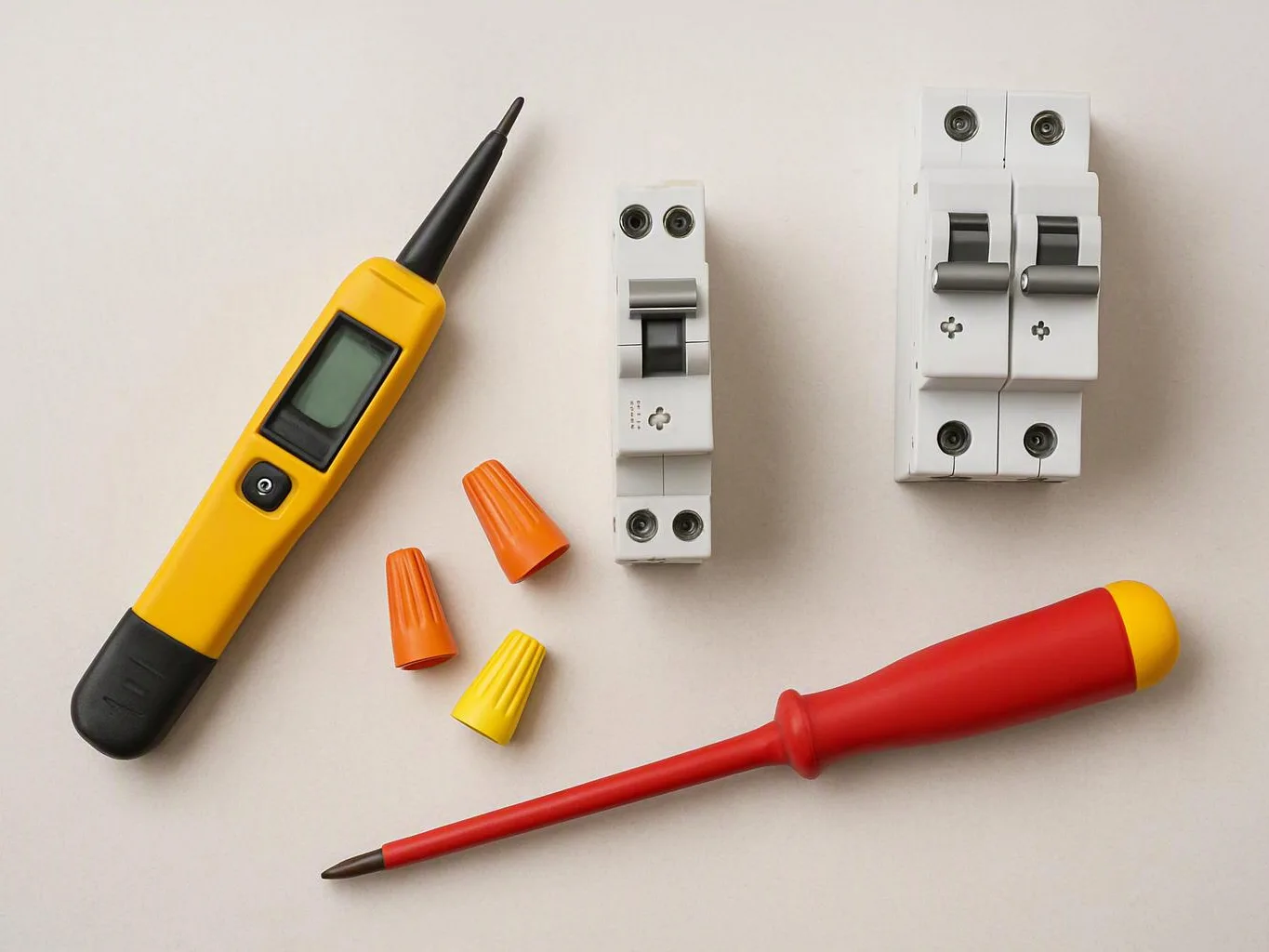
A breaker may trip when the circuit has a fault, damaged wiring, or more load than it can safely carry. We isolate the lighting circuit, inspect the connections, and test the fixtures. Repeated trips need electrical diagnosis before the lights are used again.
How do pathway lights differ from spotlights?
Pathway lights provide lower-level guidance along walking areas, while spotlights direct focused light toward a selected feature. We choose between them based on the area’s purpose and the desired coverage. A mixed layout may use both when the property needs path guidance and focused detail.
Which electrical problems should be handled urgently?
A burning smell, sparking outlet, buzzing panel, or warm switch plate needs urgent electrical attention. We treat those signs as safety concerns and inspect the affected circuit. Turn off the affected equipment if it is safe to do so, then request emergency electrical service.