
What Is a Carbon Monoxide Sensor?
Carbon Monoxide Sensor is a device component that detects carbon monoxide in the surrounding air and sends a signal when the gas reaches a sensed level. The sensor supports an alarm or monitoring system. Unlike a complete carbon monoxide detector, a sensor may not include the alarm, display, battery, or housing.
Quick Facts About Carbon Monoxide Sensor
Category
Gas detection component
Used for
Carbon monoxide monitoring
Common confusion
Not the same as a complete detector
Also called
CO Sensor, carbon monoxide detector sensor
Often discussed with
Carbon Monoxide Detector Installation, Electrical Safety Inspection
Key Takeaways About Carbon Monoxide Sensor
- A sensor detects gas, while a detector includes the alarm system.
- Sensor placement affects how well the system samples room air.
- Carbon monoxide sensors do not detect smoke or natural gas.
How Carbon Monoxide Sensor Works
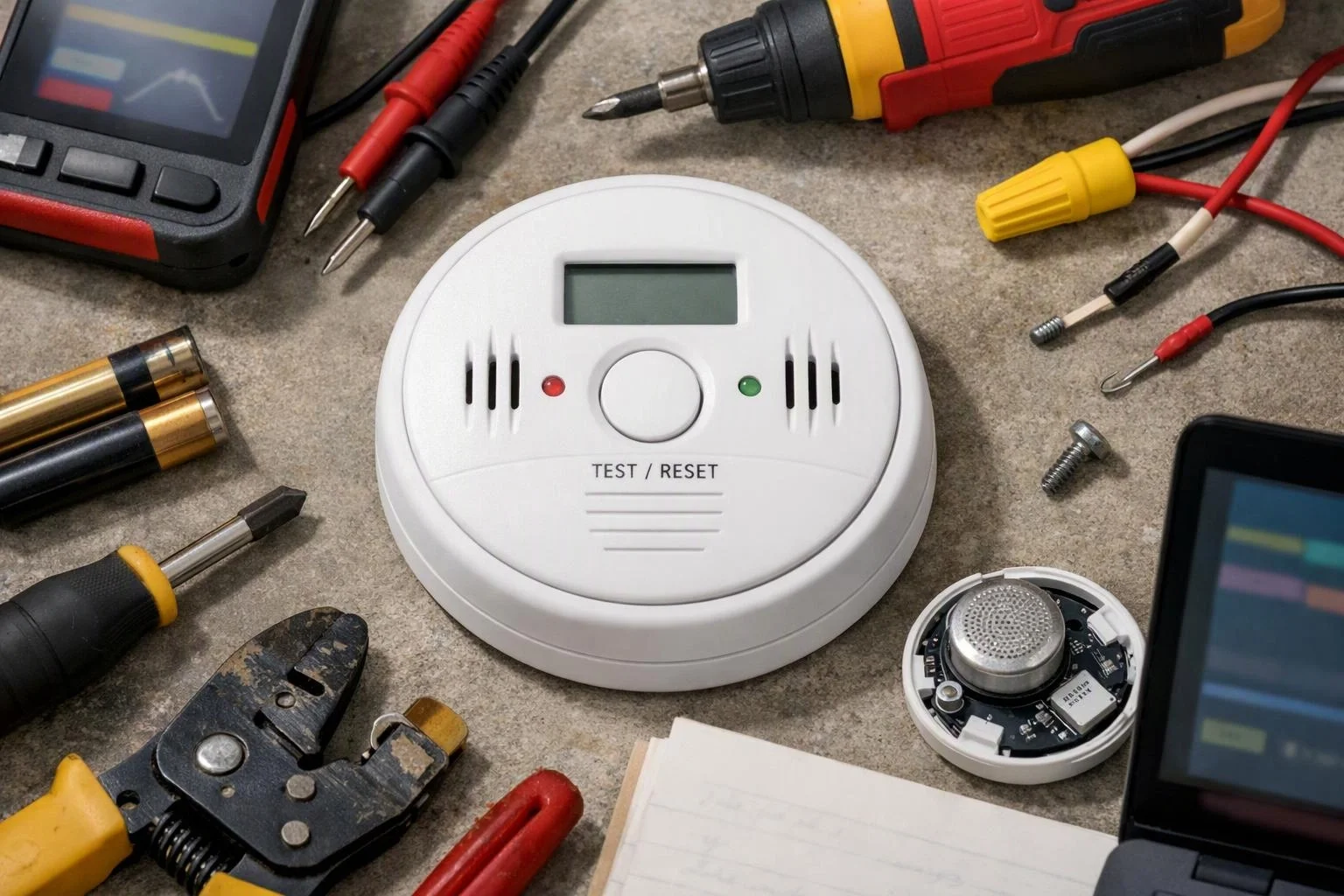
A Carbon Monoxide Sensor samples nearby air and reacts to carbon monoxide through a sensing element. The element changes an electrical signal as the gas level changes. A control circuit interprets that signal and can activate an alarm, send a notification, or report to a connected monitoring system.
Carbon monoxide detectors often combine the sensor with an alarm, power source, test control, and protective enclosure. Sensor location affects the air reaching the sensing element, so installation considers room layout, nearby fuel-burning equipment, airflow, and possible obstructions. A sensor is designed for carbon monoxide detection and does not replace a smoke sensor or other gas detection device.
From the Service Electric team
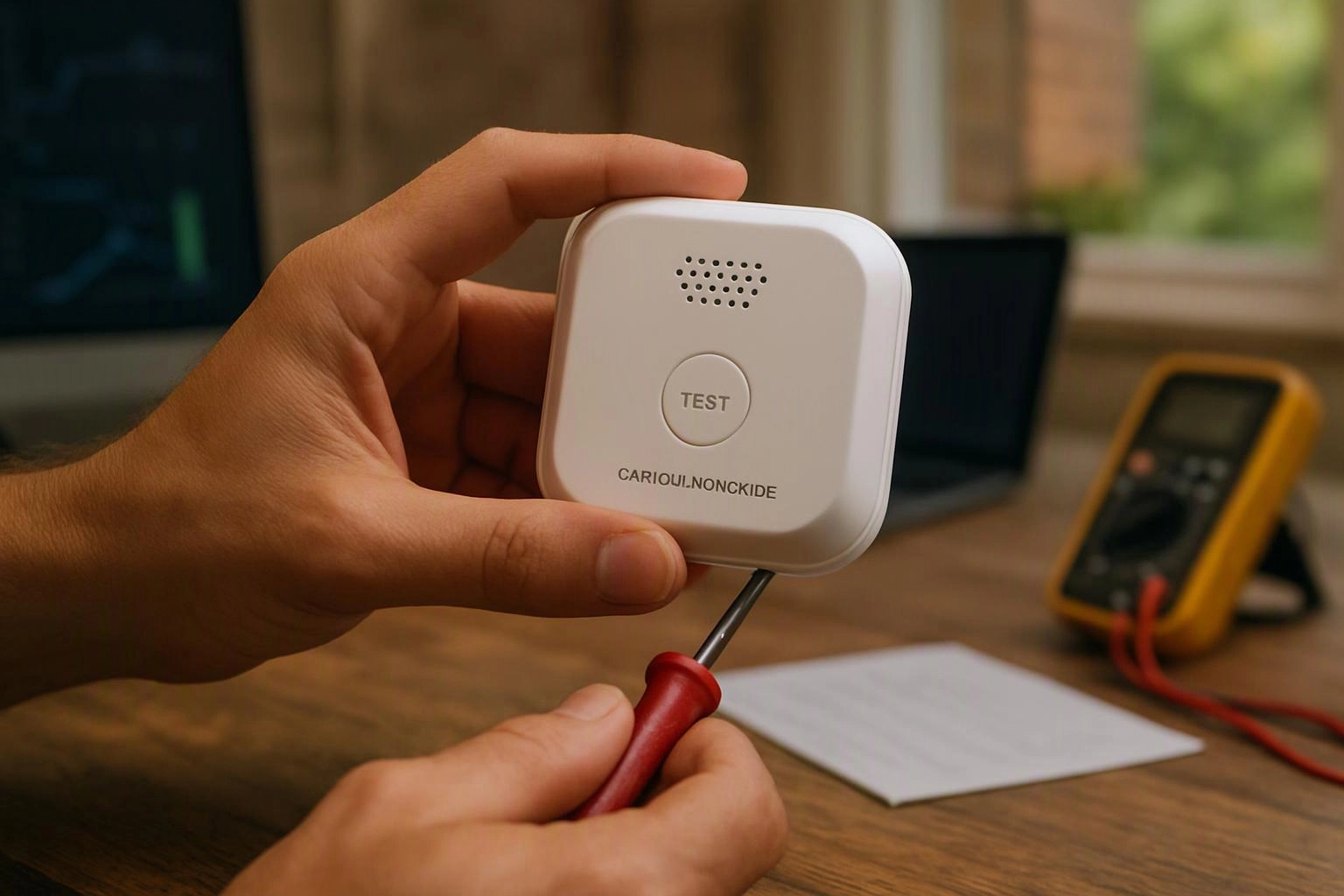
When we install a carbon monoxide detector, we check the available power, mounting location, clear airflow, and connection to the alarm system. We test the completed installation according to the device instructions and confirm that the alarm responds as intended. Our team also distinguishes sensor faults from wiring or power problems during troubleshooting.
Carbon Monoxide Sensor in Practice: A Real-World Example
A homeowner adds a carbon monoxide detector near a sleeping area and asks whether the sensor can share a circuit with other devices. The installation review considers the detector type, power source, placement, and access for testing.
Service Electric
Have Questions About Carbon Monoxide Sensor?
Contact Service Electric for practical guidance on Carbon Monoxide Sensor and related 24 hour electrician work in Victoria.